


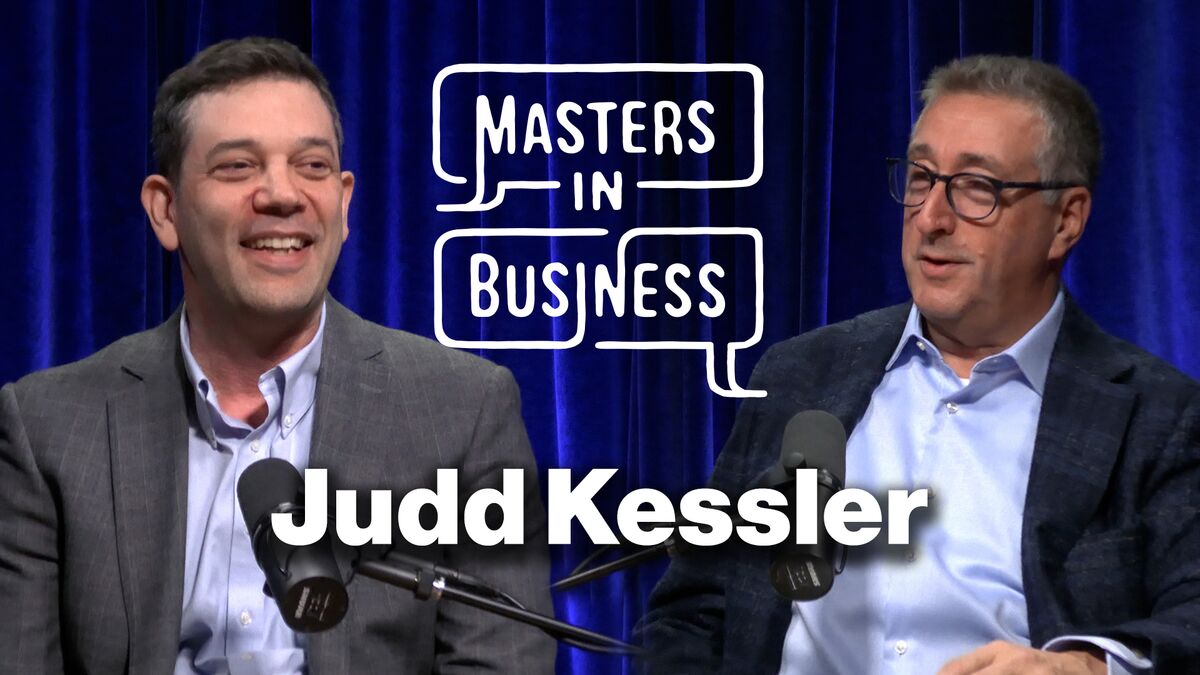

Unlocking the Hidden Economics of Everyday Decisions: Insights from Wharton Professor Judd Kessler
In a world where scarcity often dictates value, understanding the invisible forces shaping our choices—from securing a coveted restaurant reservation to allocating resources within a relationship—can transform how we navigate life’s most desirable opportunities. Judd Kessler, a professor at the Wharton School of the University of Pennsylvania and author of Lucky by Design: The Hidden Economics You Need to Get More of What You Want, has devoted his career to unraveling these intricate systems. His research sheds light on the often-overlooked mechanisms that govern allocation in both personal and public domains, offering fresh perspectives on fairness, efficiency, and innovation in resource distribution.
Kessler’s work delves into what he calls “hidden markets”—informal systems that determine who gets access to highly sought-after goods and experiences. These markets operate in the shadows of formal economic structures, influencing everything from concert tickets to dining reservations. Through his research, Kessler explores how these systems can be redesigned to better serve societal needs, ensuring that access is equitable and efficient.
The Hidden Markets Behind Everyday Luxuries
Take, for instance, the seemingly simple act of booking a table at a trendy restaurant. While it may appear to be a matter of luck or persistence, Kessler argues that sophisticated economic principles are at play. High-demand restaurants often face overwhelming reservation requests, leading to bottlenecks and frustration. To manage this, many establishments employ algorithms or platforms like Resy or OpenTable to prioritize certain customers based on factors such as loyalty or timing.
Kessler’s research examines how these systems can be optimized to reduce inefficiencies and improve customer satisfaction. For example, he suggests that dynamic pricing models—similar to those used in the airline industry—could be applied to restaurant reservations. By adjusting prices based on demand, restaurants could better manage supply while still ensuring accessibility for a broader range of patrons.
This approach, however, raises questions about equity. Kessler emphasizes the importance of designing systems that balance efficiency with fairness, ensuring that access to desirable experiences isn’t solely reserved for the wealthy or well-connected. “The goal,” he explains, “is to create systems that are not only effective but also just.”
Redefining Fairness in Ticketing and Beyond
Kessler’s insights extend beyond dining to other areas where scarcity drives demand, such as concert tickets and event access. The ticketing industry has long been criticized for its lack of transparency and fairness, with scalpers and bots often dominating the market. Kessler’s research explores alternative distribution methods that could level the playing field.
One innovative solution he proposes is the use of randomized lotteries with weighted preferences. For example, fans could be allocated tickets based on their level of engagement or loyalty, rather than their ability to pay exorbitant prices. This approach not only discourages scalping but also rewards genuine fans, fostering a more equitable and enjoyable experience for all.
Such ideas have already gained traction in certain sectors. In Japan, for instance, some concerts use a lottery system to distribute tickets, reducing the influence of scalpers and ensuring broader access. Kessler’s work builds on these examples, offering a framework for how other industries can adopt similar practices.
Navigating Resource Allocation in Relationships
While much of Kessler’s research focuses on public markets and industries, he also explores how these principles apply to personal relationships. In a study on how couples allocate resources, he examines the dynamics of decision-making and compromise within partnerships.
Traditionally, economists have viewed relationships through the lens of utility maximization, assuming that individuals make decisions based solely on self-interest. Kessler challenges this perspective, arguing that relationships are governed by a complex interplay of altruism, shared goals, and mutual benefit.
His findings suggest that couples who adopt cooperative strategies—such as pooling resources or taking turns prioritizing each other’s needs—tend to achieve greater satisfaction and stability. This approach mirrors the principles of fairness and efficiency that Kessler advocates for in public markets, highlighting the universal relevance of his work.
The Broader Implications for Society
Kessler’s research has far-reaching implications, offering a roadmap for how governments, businesses, and individuals can design systems that promote both efficiency and equity. In an era marked by growing inequality and scarcity, his insights provide a timely reminder of the importance of thoughtful allocation.
One area where these principles could have a profound impact is healthcare. The COVID-19 pandemic exposed glaring inefficiencies in the distribution of critical resources, from vaccines to hospital beds. By applying Kessler’s framework, policymakers could develop more effective strategies for allocating these resources, ensuring that they reach those who need them most.
Similarly, his work could inform efforts to address climate change, guiding the allocation of renewable energy resources or carbon credits in ways that balance economic growth with environmental sustainability.
A Call for Innovation and Collaboration
As Kessler’s research demonstrates, the challenge of allocation is not merely an academic exercise—it is a pressing societal issue that requires innovative solutions and collaborative efforts. By uncovering the hidden economics behind everyday decisions, he empowers individuals and institutions to make more informed choices.
At the same time, Kessler acknowledges that no system is perfect. Each solution comes with trade-offs, and striking the right balance between efficiency and fairness is an ongoing process. “The goal,” he says, “is not to eliminate scarcity or eliminate markets, but to design systems that make scarcity work better for everyone.”
In a world where competition for resources is inevitable, Kessler’s work offers a blueprint for navigating these challenges with greater equity and ingenuity. As societies grapple with the complexities of allocation, his insights serve as a reminder that even the most intractable problems can be addressed through thoughtful design and collaboration.
Ultimately, Kessler’s research underscores a fundamental truth: Whether in the realm of economics or personal relationships, success lies not in luck, but in deliberate and inclusive decision-making.
This report synthesizes Judd Kessler’s insights into a comprehensive exploration of allocation systems, offering a nuanced perspective on their implications for individuals and society. While his work highlights the potential for innovation, it also acknowledges the complexities and trade-offs inherent in designing equitable systems. As the world continues to grapple with issues of scarcity and fairness, Kessler’s research provides a valuable framework for navigating these challenges with greater clarity and purpose.
