


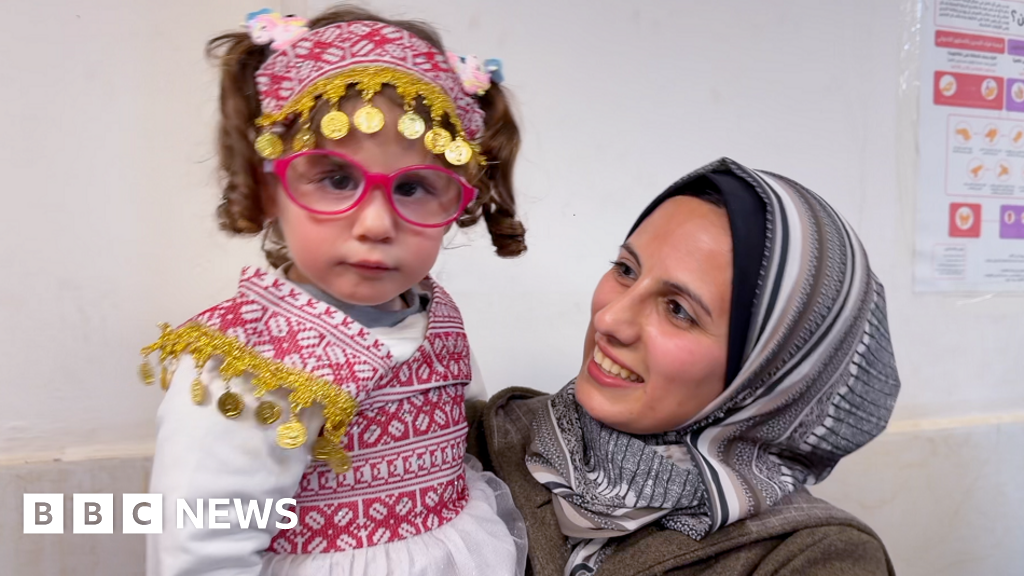

A Mother’s Agony: The Human Cost of Conflict in Gaza
In the shadows of war, the cries of mothers echo louder than the roar of artillery. For one Palestinian woman, the devastating search for her missing infant daughter has become emblematic of the profound human suffering inflicted by the ongoing conflict in Gaza. “I lived between despair and hope that my daughter might still be alive,” she told the BBC, her voice trembling with anguish. Months after her child vanished in the chaos of war, reports emerged that premature infants had perished in Gaza’s Shifa Hospital. “I would look at the photos, trying to feel, as a mother, whether this could be my child or not.” Her story is not just a personal tragedy but a stark reminder of the collateral damage endured by civilians in this protracted and brutal conflict.
The Context: Escalation and Humanitarian Crisis
The Gaza Strip, a densely populated enclave of over two million people, has been a focal point of conflict for decades. The latest escalation has seen intensified clashes between Israeli forces and Palestinian armed groups, with devastating consequences for civilians. Hospitals, schools, and residential areas have become battlegrounds, displacing thousands and straining already fragile healthcare systems.
Shifa Hospital, Gaza’s largest medical facility, has been at the center of this crisis. Once a beacon of hope for the sick and wounded, it has struggled to cope with the influx of casualties amid electricity shortages, dwindling medical supplies, and attacks on its infrastructure. The death of premature infants at Shifa highlights the profound vulnerability of Gaza’s youngest and most defenseless inhabitants.
Globally, the Gaza conflict is part of a broader pattern of instability in the Middle East, where geopolitical tensions, territorial disputes, and proxy wars have fueled decades of violence. The situation in Gaza also underscores the challenges of addressing humanitarian crises in conflict zones, where civilians often bear the brunt of political and military failures.
Why It Matters: A Global Call to Action
The plight of Gaza’s civilians is not just a regional issue but a global concern. The conflict has far-reaching implications for international security, humanitarian principles, and the pursuit of peace.
First, it underscores the urgent need for accountability in war. Civilian casualties, particularly among children, violate international humanitarian law and demand thorough investigations. Yet, in the fog of war, justice is often elusive.
Second, the crisis highlights the fragility of global humanitarian systems. As conflicts proliferate worldwide—from Ukraine to Sudan—aid organizations are increasingly overwhelmed. The situation in Gaza serves as a sobering reminder of the need for robust international cooperation to protect civilians and uphold human rights.
Finally, the conflict has profound implications for global stability. As tensions escalate, the risk of broader regional conflagration grows. The international community must grapple with the complexities of mediating peace in a deeply polarized and volatile region.
The Human Toll: Stories Behind the Statistics
Behind the headlines and casualty figures lie countless stories of loss and resilience. The mother searching for her infant daughter is one of many who have experienced unimaginable pain.
In Gaza, families are forced to make impossible choices: risking their lives to find shelter, scavenging for food and water, or watching loved ones succumb to preventable illnesses due to the collapse of healthcare systems. Children, who make up nearly half of Gaza’s population, are especially vulnerable, their futures clouded by trauma and deprivation.
These stories are a testament to the resilience of the human spirit, but they also serve as a damning indictment of the failures of war. As the international community grapples with these crises, it must not lose sight of the individuals whose lives are forever altered by conflict.
A Path Forward: Hope Amid Despair
While the situation in Gaza remains dire, glimmers of hope persist. Humanitarian organizations continue to work tirelessly to deliver aid and medical care, often at great personal risk. Diplomatic efforts, though fraught with challenges, offer the possibility of lasting peace.
For the mother who still searches for her child, peace may feel like a distant dream. Yet, her story serves as a powerful reminder of the stakes involved. In the face of unimaginable loss, she embodies the resilience and courage of those who endure the horrors of war.
Closing: A Call to Remember
As the world watches the conflict in Gaza unfold, it is easy to become numb to the relentless cycle of violence. But behind every headline, every statistic, there are human stories of pain, hope, and survival. The mother who searches for her daughter is not just a victim of war; she is a testament to the enduring power of love and hope in the face of despair.
Her story, and countless others like it, must not be forgotten. For in remembering, we are reminded of our shared humanity and the urgent need to work toward a world where no mother must endure such loss. The path to peace is long and fraught with challenges, but it is a journey we must undertake—for the sake of Gaza’s children, and for the future of our global community.
