



The Race to Innovate: Inside Startup Battlefield 2026 and What It Takes to Make the Cut
In the high-stakes world of tech innovation, where giants dominate and startups strive to disrupt, TechCrunch’s Startup Battlefield has long been a beacon for entrepreneurs dreaming of global recognition. This year, as the deadline for applications looms on May 27, hundreds of aspiring founders are grappling with a critical question: Are they ready? Yet, according to insiders, the most promising candidates are often the ones who doubt themselves the most. They question whether their ideas are too early-stage, whether they need more traction, or whether they belong in the same league as more polished competitors. But for the organizers of Startup Battlefield, the answer is clear: The competition isn’t about perfection—it’s about potential.
Held as the centerpiece of TechCrunch Disrupt 2026 in San Francisco from October 13-15, Startup Battlefield is more than just a contest; it’s a global stage for groundbreaking ideas. With a rigorous selection process that filters through thousands of applications, the event culminates in the crowning of a champion—a startup poised to redefine its industry. But what does it take to make the cut?
What Makes a Startup Battlefield Winner?
At its core, Startup Battlefield is not a competition for the most polished companies. Instead, it seeks out the most promising ones—ideas that are category-defining, disruptive, and capable of making a genuine impact. “We’re looking for startups that don’t just incrementally improve existing systems but fundamentally change them,” explains a TechCrunch spokesperson. For judges, the key question is simple: Does this idea change something? Not just make it better, but make the old way of doing things obsolete.
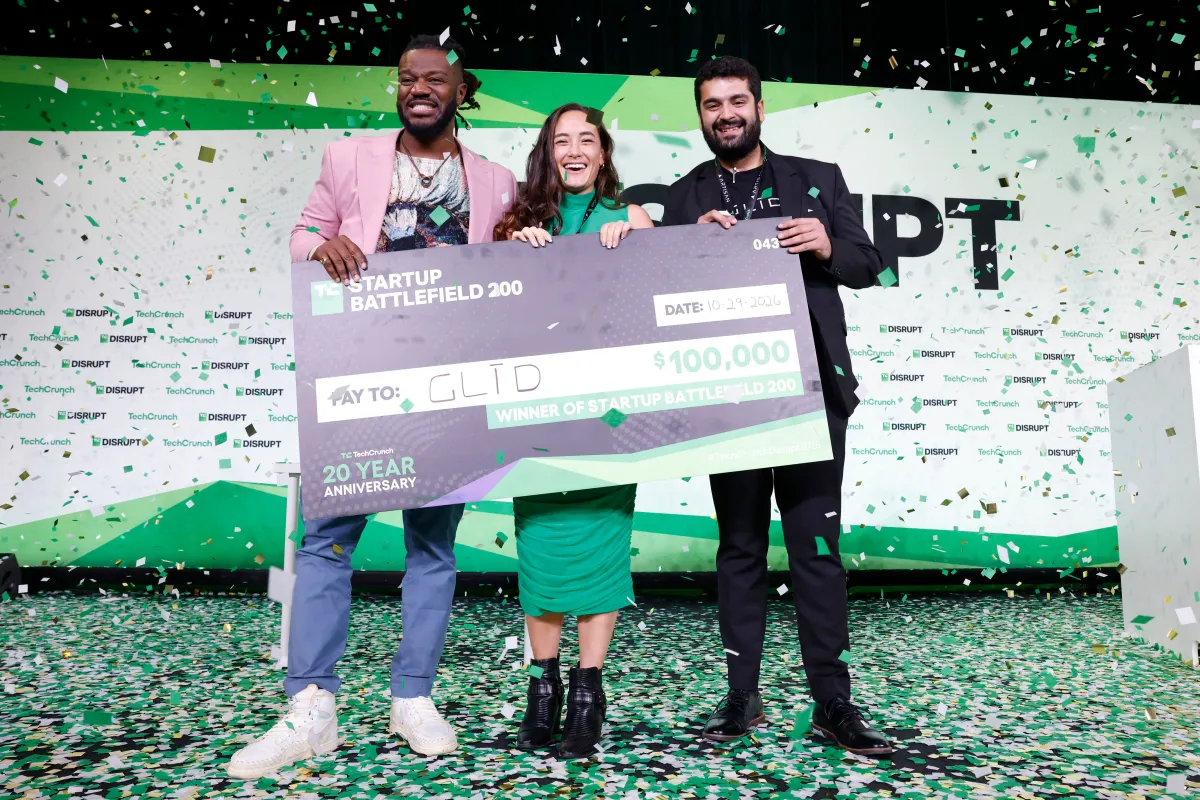
The competition emphasizes three critical areas: product innovation, founding team dynamics, and industry or geographic diversity. Product disruption is paramount. Judges want to see ideas that represent a seismic shift in how something works. For example, past winners have included companies like Forethought AI, which revolutionized customer service with predictive AI, and Glīd, a logistics startup that made operations simpler and smarter.
Equally important is the founding team. Judges look for founders who can articulate not just their market opportunity but their personal conviction. “Why you? Why now? Why this problem?” are questions that every applicant must answer compellingly. Origin stories matter, and those who can connect their journey to their mission often stand out.
Diversity—both in industry and geography—is another cornerstone of Startup Battlefield. The competition actively seeks startups from underrepresented sectors and regions. “If you’re building something important in a geography or industry that doesn’t often get the spotlight, that matters to us,” says the spokesperson.
What Doesn’t Disqualify You?
Many aspiring entrepreneurs mistakenly believe that certain factors—like having press coverage, being pre-launch, or having applied before—could disqualify them. But the organizers are quick to dispel these myths.
Having press coverage, for instance, is not a disadvantage. Local or industry-specific coverage doesn’t overshadow the core technology if it hasn’t yet had its moment in the sun. Similarly, being pre-launch is not a barrier. Applicants need only a working minimum viable product (MVP); they don’t need customers or revenue to apply.
Even previous rejections aren’t a death knell. Many successful applicants applied multiple times before being selected. Raising money is also not a disqualifier. Whether bootstrapped, pre-seed, or seed-funded, startups are welcome to apply. Series A companies are reviewed on a case-by-case basis, particularly in industries where funding dynamics differ from Silicon Valley norms.
Tips for Crafting a Winning Application
For founders aspiring to join the ranks of Startup Battlefield alumni, the application process is their first pitch. Here are some expert tips for making it count:
-
Show Your Product in Action: Judges want to see a working MVP, not just a mockup or simulation. Even if it’s rough, a functional prototype demonstrates progress and potential.
-
Understand Your Competitive Landscape: Claiming to have no competitors is a red flag. Judges want to see founders who can name their competitors, acknowledge them honestly, and explain why their solution is superior.
-
Tell Your Story: The founding narrative is crucial. Why did you start this company? What makes you the right person to build it? A compelling origin story can set your application apart.
-
Avoid Overpolishing: Rough edges are acceptable; authenticity matters more than perfection. Judges can see through overly polished applications that obscure the true state of the company.
-
Resubmit if Necessary: If you submit an application prematurely, don’t panic. Resubmitting before the deadline is allowed, and it’s better to refine your pitch than to settle for an incomplete one.
Learning from the Best
For those looking to glean insights from past success stories, TechCrunch’s podcast Build Mode is an invaluable resource. Featuring interviews with breakout founders and investors, it offers firsthand advice on how to navigate the challenges of building a startup. Past Startup Battlefield winners like Forethought AI and Glīd share their journeys, while investors like General Catalyst provide strategic guidance.
The Countdown Begins
With applications closing on May 27, the clock is ticking for startups hoping to secure a spot on this prestigious stage. Selected companies will be notified approximately two months before TechCrunch Disrupt 2026. For founders on the fence, the advice is clear: Apply. Even if you don’t make the cut this year, the process of applying will strengthen your pitch for the next cycle.
As TechCrunch aptly puts it, Startup Battlefield was built to find founders before the world does. For those with bold ideas and the courage to pursue them, this could be the moment their journey begins. The application isn’t just a form—it’s your first step toward global recognition.
Balanced Closing Line: While the road to Startup Battlefield is competitive and demanding, its doors remain open to innovators who dare to dream big—proving that sometimes, the most groundbreaking ideas emerge from the most uncertain beginnings.
