


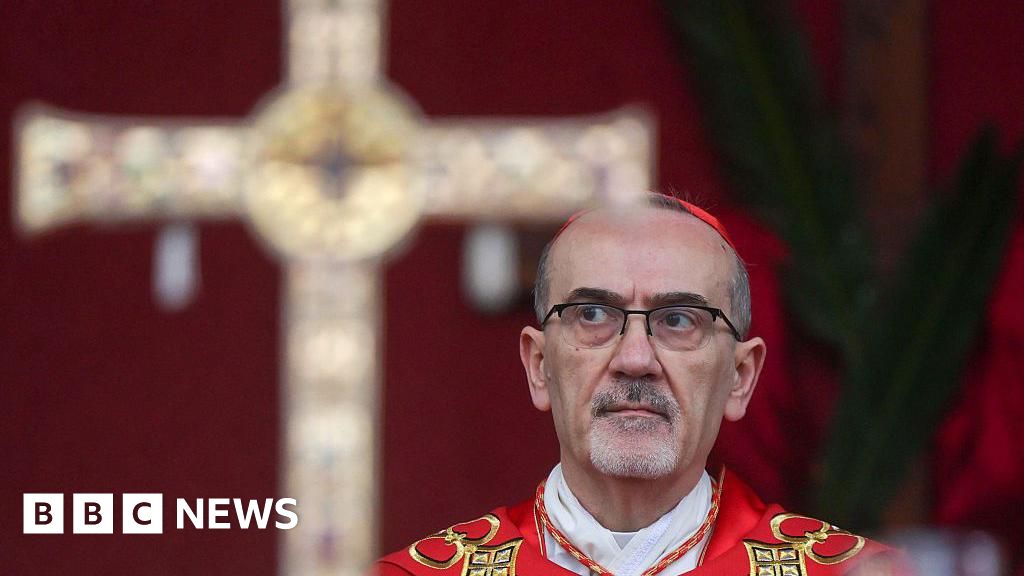

Vatican Representative Barred from Entering Church Amid Heightened Tensions in Israel
Jerusalem, October 25, 2023 – In a dramatic escalation of the ongoing conflict in Israel, Prime Minister Benjamin Netanyahu has intervened to prevent Cardinal Pierbattista Pizzaballa, the Latin Patriarch of Jerusalem, from entering a church in the region. The decision, reportedly made out of concerns for the Cardinal’s safety, underscores the volatility of the situation and the growing unease surrounding religious sites in the midst of heightened hostilities.
The move comes as Israel grapples with escalating violence that has drawn international condemnation and raised fears of a broader regional conflict. The decision to block the Vatican representative from accessing a sacred site highlights the precarious balance between security and religious freedoms in a region where both are increasingly under threat.
The Context: Rising Tensions in the Holy Land
The Middle East has long been a flashpoint for geopolitical and religious tensions, but recent weeks have seen a dramatic surge in violence. Clashes between Israeli forces and Palestinian groups have intensified, with civilian casualties mounting on both sides. Against this backdrop, religious sites—often symbols of shared heritage and contested sovereignty—have become focal points of tension.
Cardinal Pizzaballa, a prominent figure in the Catholic Church and a mediator in interfaith dialogues, has played a crucial role in fostering unity between Christian, Jewish, and Muslim communities in the region. His exclusion from the church is not merely a local incident but a moment that reverberates across the globe, raising questions about the protection of religious freedoms in conflict zones.
The Decision: Safety Concerns or Political Symbolism?
According to Israeli officials, the decision to bar Cardinal Pizzaballa from entering the church was motivated solely by concerns for his safety. The Prime Minister’s office stated that the area surrounding the church has been marked by recent violence, making it a potential target for attacks. “Our priority is to ensure the safety of all individuals, regardless of their faith or position,” a spokesperson said.
However, critics argue that the move carries deeper political implications. Some suggest it reflects Israel’s broader strategy to assert control over religious sites, while others view it as a sign of deteriorating relations between Israel and the Vatican. The Catholic Church has historically played a delicate role in the region, advocating for peace while maintaining neutrality in the Israeli-Palestinian conflict.
Global Implications: A Test of Religious Freedom
The incident has sparked concern among international observers, who see it as a troubling indicator of the erosion of religious freedoms in conflict zones. The United Nations has repeatedly emphasized the importance of protecting sacred sites and ensuring access for religious leaders, particularly in areas of high tension.
For the Vatican, the episode is a stark reminder of the challenges faced by religious representatives in navigating complex geopolitical landscapes. Pope Francis, who has been vocal in his calls for peace in the Holy Land, is likely to view the incident as a setback in his efforts to promote dialogue and reconciliation.
Beyond the religious sphere, the decision has broader implications for global security. The Middle East remains a critical region for international stability, and any escalation of tensions has the potential to draw in external powers. The United States, European Union, and other key actors are closely monitoring the situation, wary of the ripple effects it could have on global diplomacy and security.
Why This Matters: A Symbol of Broader Struggles
The exclusion of Cardinal Pizzaballa from the church is more than an isolated incident—it is a microcosm of the broader struggles plaguing the Middle East. It highlights the fragility of religious coexistence in a region where faith and identity are deeply intertwined with political and territorial disputes.
For the international community, the incident serves as a reminder of the urgent need to address the root causes of conflict in the Holy Land. Without a sustainable resolution, the cycle of violence and division will continue to threaten not only regional stability but also global peace.
A Call for Dialogue and De-escalation
As tensions escalate, voices from around the world are calling for restraint and dialogue. Religious leaders, diplomats, and civil society organizations are urging all parties to prioritize peace over confrontation. The incident involving Cardinal Pizzaballa underscores the importance of safeguarding religious freedoms and fostering mutual respect, even in the most challenging circumstances.
Conclusion: A Fragile Peace Hangs in the Balance
The decision to prevent Cardinal Pierbattista Pizzaballa from entering a church in Jerusalem is a poignant symbol of the deep-seated tensions that continue to define the Holy Land. As violence escalates and the stakes grow ever higher, the world watches with bated breath, hoping for a return to dialogue and de-escalation.
In a region where history, faith, and politics intersect, the protection of religious freedoms is not just a moral imperative but a cornerstone of global security. The incident serves as a stark reminder that peace in the Holy Land is not a distant dream but an urgent necessity—one that demands the collective efforts of all who cherish freedom and justice.
