



Global Markets on Edge as Geopolitical Tensions in Iran Send Shockwaves Through Oil Prices and Currency Markets
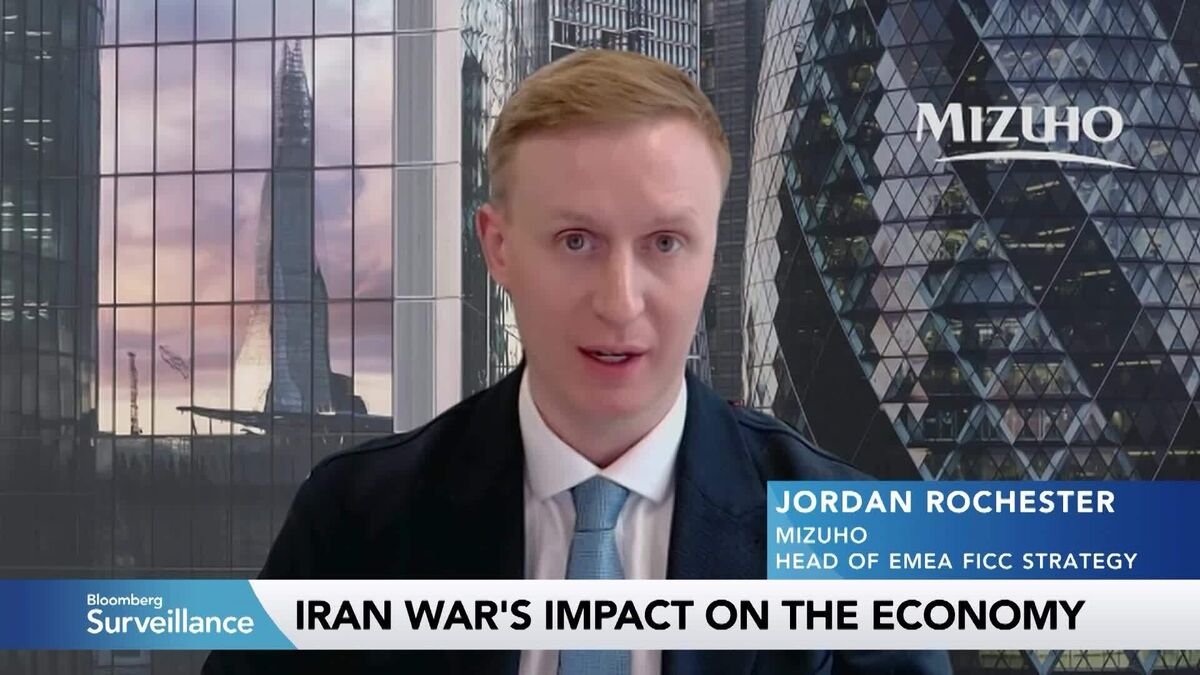
The escalating conflict in Iran has sent ripples across global financial markets, sparking fears of prolonged disruptions to oil supplies, heightened inflation, and a recalibration of monetary policies in the United States and Europe. As crude prices surge and the U.S. dollar strengthens, investors and policymakers are grappling with the potential economic fallout of a protracted crisis in the geopolitically sensitive Middle East. Jordan Rochester, a macro strategist at Mizuho Bank, recently addressed these concerns in an interview on Bloomberg Surveillance, warning that the conflict could reshape the global economic landscape in ways not seen since the Gulf War or the Arab Spring.
The conflict in Iran, which has been marked by violent clashes and geopolitical brinkmanship, threatens to destabilize one of the world’s most critical energy-producing regions. Iran, a key member of the Organization of the Petroleum Exporting Countries (OPEC), holds significant sway over global oil markets. Any disruption to its production or export capabilities could exacerbate an already tight supply situation, driving prices to levels that could stifle economic growth and reignite inflationary pressures worldwide. Rochester emphasized that the “geopolitical risk premium” on oil has surged in recent weeks, with Brent crude futures climbing above $90 per barrel, a level not seen since the early days of the Ukraine crisis.
Oil Prices and Inflation: A Double-Edged Sword
The immediate impact of the Iran conflict has been felt most acutely in the energy markets. Oil prices have soared as traders price in the potential for supply disruptions, particularly if Iran’s exports are curtailed due to sanctions or infrastructure damage. Rochester noted that Iran’s oil output accounts for approximately 3% of global supply, making it a significant player in the market. “Even a partial disruption could send prices spiraling higher,” he warned, adding that sustained price spikes could pose a challenge for central banks already struggling to tame inflation.
The inflationary implications of higher oil prices are particularly concerning for the U.S. Federal Reserve and the European Central Bank (ECB), both of which have been cautiously navigating the delicate balance between curbing inflation and avoiding economic stagnation. Rochester pointed out that energy prices are a key driver of headline inflation, and a prolonged spike could force policymakers to reconsider their current monetary stances. “The Fed and the ECB may find themselves in a tough spot,” he said. “If oil prices remain elevated, inflationary pressures could persist, delaying rate cuts or even prompting further hikes.”
The Dollar’s Safe-Haven Appeal Strengthens
As oil prices climb, the U.S. dollar has emerged as a primary beneficiary of the crisis. The dollar index, which measures the greenback against a basket of major currencies, has strengthened significantly as investors seek refuge in safe-haven assets. Rochester highlighted that the dollar’s strength is further amplified by its status as the world’s primary reserve currency. “In times of uncertainty, capital flows into U.S. Treasuries and dollar-denominated assets,” he explained. “This dynamic has been particularly pronounced in recent weeks, as global investors brace for potential spillover effects from the Iran conflict.”
However, the dollar’s strength is not without its drawbacks. A robust dollar can weigh on U.S. exporters by making their goods more expensive abroad, potentially undermining the country’s trade balance. Moreover, for emerging markets with dollar-denominated debts, a stronger greenback increases the cost of servicing those obligations, raising the risk of financial instability in vulnerable economies. Rochester cautioned that while the dollar’s ascent reflects its safe-haven status, it could also exacerbate global economic imbalances.
Monetary Policy Implications for the U.S. and Europe
The conflict in Iran arrives at a pivotal moment for global monetary policy. Central banks on both sides of the Atlantic have been closely monitoring inflationary trends, with recent data suggesting that price pressures may be easing. However, the spike in oil prices threatens to upend these forecasts, complicating the outlook for interest rate cuts that many investors had anticipated. Rochester argued that central banks may need to adopt a more cautious approach to monetary easing until the geopolitical risks subside.
In the U.S., the Federal Reserve has signaled its intent to begin cutting rates later this year, but Rochester warned that the Iran conflict could delay this timeline. “The Fed’s primary mandate is price stability,” he said. “If oil-driven inflation remains stubbornly high, the central bank may have little choice but to maintain a restrictive policy stance for longer.” Similarly, the ECB, which has also hinted at the possibility of rate cuts, faces heightened uncertainty as it navigates the fallout from the crisis.
Global Growth Prospects Hang in the Balance
The broader economic implications of the Iran conflict extend beyond oil prices and inflation. Rochester underscored that prolonged geopolitical instability could weigh on global growth prospects by undermining consumer and business confidence. “Uncertainty is the enemy of investment,” he said. “If the conflict drags on, it could dampen economic activity across multiple regions, particularly those heavily reliant on energy imports.”
Emerging markets, in particular, are vulnerable to the dual pressures of higher energy costs and a stronger dollar. Countries such as India and South Africa, which rely on imported oil to fuel their economies, could face heightened fiscal and current account challenges. Meanwhile, Europe, still recovering from the energy shock triggered by the Ukraine war, may find itself grappling with renewed pressures on energy security and affordability.
A Fragile Equilibrium
As the situation in Iran continues to evolve, the global economy finds itself at a critical juncture. The interplay between geopolitical risks, inflationary pressures, and monetary policy decisions will likely shape the economic outlook for months to come. Rochester concluded his analysis with a sobering reminder: “The stakes are high, and the path forward is fraught with uncertainty. Policymakers and investors alike must brace for a volatile and unpredictable environment.”
In a world already grappling with multiple economic and geopolitical challenges, the conflict in Iran adds another layer of complexity to an already fragile equilibrium. How global markets and policymakers respond to this crisis will determine whether the world economy navigates these turbulent waters or succumbs to the pressures of yet another geopolitical storm.
