



Sri Lanka Explores Russian Oil Imports Amid Global Supply Constraints and Price Surges
By [Your Name]
As geopolitical tensions escalate in the Middle East and global oil markets face unprecedented volatility, Sri Lanka is turning to unconventional sources to secure its energy needs. The island nation’s state-run Ceylon Petroleum Corporation (CPC) is reportedly in advanced talks with Russian oil companies to import petroleum products, marking a significant shift in its energy procurement strategy. This move comes as traditional supply routes are disrupted by the ongoing conflict in the Middle East, which has driven up oil prices and forced countries worldwide to seek alternative suppliers.
The decision underscores Sri Lanka’s growing urgency to stabilize its energy sector, which has been grappling with severe shortages and skyrocketing costs over the past two years. The country’s economy, still recovering from a devastating financial crisis in 2022, remains highly vulnerable to external shocks, particularly in the energy market. With global oil prices hovering near $90 per barrel and the Middle East conflict showing no signs of abating, Sri Lanka’s pivot to Russian oil highlights the broader challenges facing energy-importing nations in an increasingly unpredictable geopolitical landscape.
Economic Turmoil and Energy Dependency
Sri Lanka’s energy sector has long been a cornerstone of its economy, but it has also been a persistent source of vulnerability. The country relies almost entirely on imports to meet its petroleum needs, leaving it exposed to fluctuations in global oil prices and supply disruptions. The situation worsened in 2022, when Sri Lanka declared bankruptcy, marking the first sovereign default in its history. The crisis, fueled by mismanagement, corruption, and the economic fallout from the COVID-19 pandemic, left the government struggling to finance essential imports, including fuel.
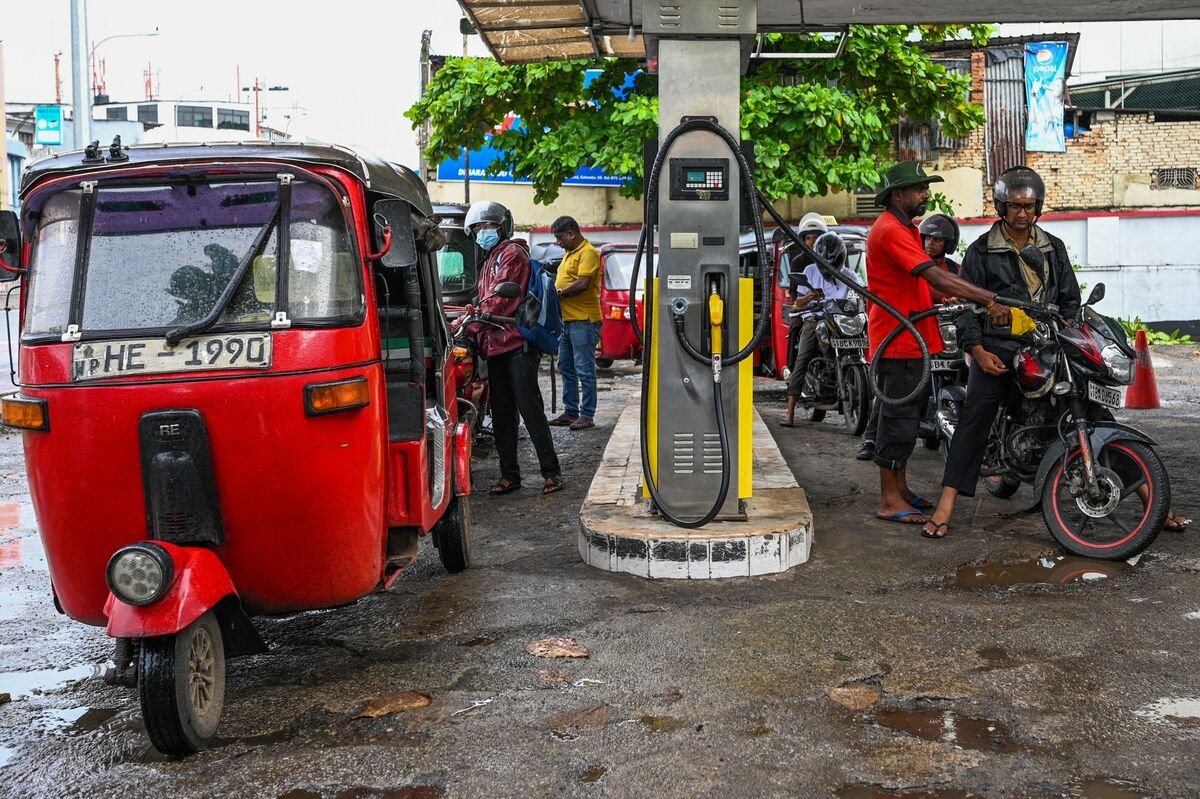
For months, Sri Lankans endured long queues at petrol stations, rolling blackouts, and chronic shortages of cooking gas. The government implemented austerity measures, including raising fuel prices and rationing supplies, but these efforts provided only temporary relief. While the economy has shown tentative signs of recovery in 2023, aided by a $2.9 billion bailout from the International Monetary Fund (IMF), the energy sector remains fragile.
Against this backdrop, the Middle East conflict has added another layer of complexity to Sri Lanka’s energy challenges. The war between Israel and Hamas, which erupted in October 2023, has disrupted oil flows from the region, traditionally a key supplier for many countries. The resulting price surge has forced Sri Lanka to explore alternative sources, with Russia emerging as a leading contender.
Russia’s Growing Role in Global Energy Markets
Russia’s role in global energy markets has evolved dramatically since its invasion of Ukraine in February 2022. Western sanctions imposed in response to the war initially triggered fears of a global oil shortage, but Russia quickly pivoted to new markets, particularly in Asia. Countries like India and China have become major buyers of discounted Russian crude, providing Moscow with a financial lifeline amid international isolation.
Sri Lanka’s potential deal with Russian oil companies aligns with this trend. While the specifics of the negotiations remain undisclosed, sources indicate that the CPC is seeking to secure affordable and reliable supplies of petroleum products, including diesel and gasoline. By turning to Russia, Sri Lanka hopes to mitigate the impact of high global oil prices and ensure a steady flow of energy to its domestic market.
However, the move is not without risks. Engaging with Russia could complicate Sri Lanka’s relationships with Western countries, which have imposed strict sanctions on Moscow’s energy sector. Additionally, logistical challenges, such as the longer shipping routes required to transport oil from Russia to South Asia, could offset some of the cost savings.
Broader Implications for Global Energy Security
Sri Lanka’s pivot to Russian oil reflects a broader trend in global energy markets, where countries are increasingly diversifying their supply chains to reduce dependence on traditional producers. The Middle East conflict has underscored the fragility of global energy security, prompting many nations to rethink their strategies.
For smaller, energy-importing countries like Sri Lanka, the stakes are particularly high. Without access to affordable and reliable energy supplies, economic recovery efforts could be derailed, exacerbating social and political instability. At the same time, the shift toward alternative suppliers, including Russia, raises questions about the long-term sustainability of this approach.
Experts caution that while deals with Russia may offer short-term relief, they are not a panacea. “Sri Lanka’s move to import Russian oil is a pragmatic decision given the current market conditions, but it highlights the need for a more comprehensive energy strategy,” said Dr. Anjali Sharma, an energy economist based in Singapore. “Countries need to invest in renewable energy, improve energy efficiency, and strengthen regional cooperation to build resilience against future shocks.”
Looking Ahead
As Sri Lanka navigates its latest energy challenge, the outcome of the CPC’s negotiations with Russian oil companies will be closely watched. A successful deal could provide much-needed relief for the country’s beleaguered consumers and businesses, but it also carries potential risks. For the global community, Sri Lanka’s predicament serves as a stark reminder of the interconnected nature of energy markets and the far-reaching impact of geopolitical conflicts.
In the meantime, Sri Lanka’s government faces the daunting task of balancing immediate energy needs with long-term economic stability. Whether its pivot to Russian oil will prove to be a strategic masterstroke or a temporary fix remains to be seen. As the world grapples with an increasingly volatile energy landscape, one thing is clear: the search for security and sustainability in energy supply has never been more urgent or complex.
Sri Lanka’s story is emblematic of a broader global challenge, where nations must navigate competing pressures in their quest for energy security—a delicate balancing act with no easy solutions.
