


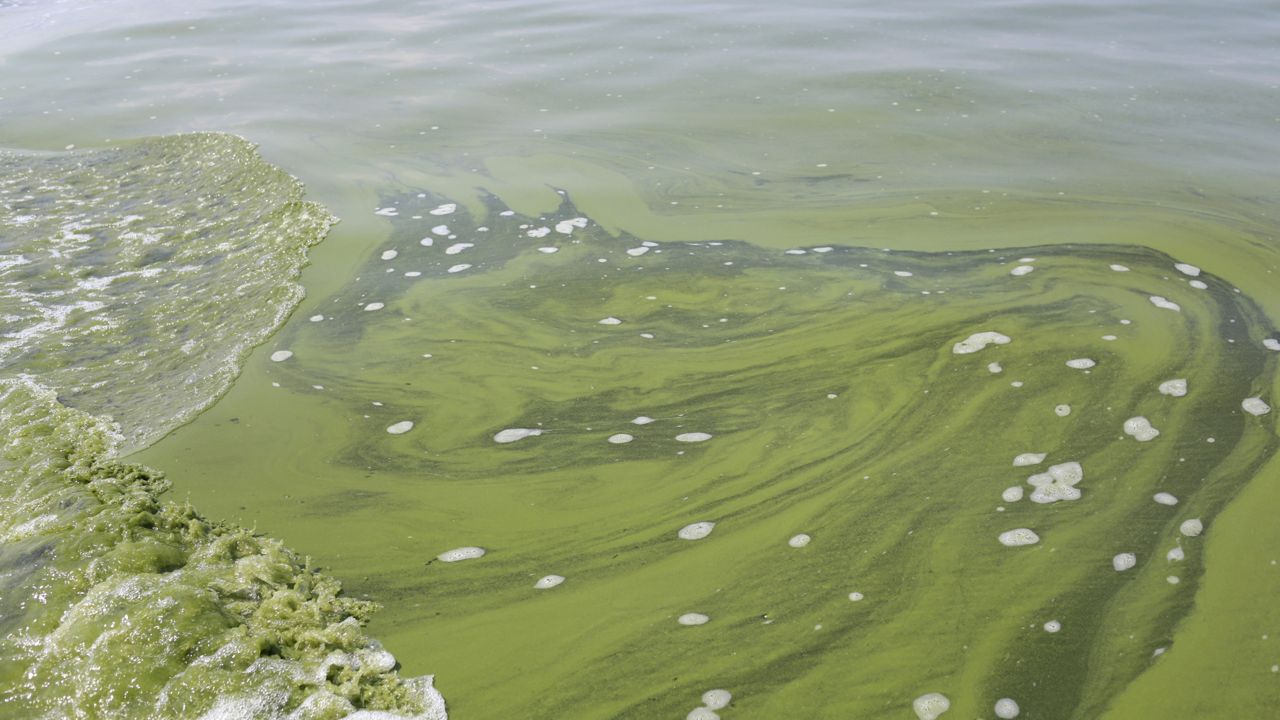

Toxic Algae Blooms in Lake Erie Spark Health Study: Researchers Investigate Airborne Risks
TOLEDO, Ohio — Summer on Lake Erie often means swimming, boating, and soaking up the sun. However, a growing threat is putting a damper on these activities: harmful algal blooms. These blooms, which have been worsening over the years, are now the focus of a groundbreaking study by the University of Toledo, aiming to uncover how they impact the health of those living nearby.
Harmful algal blooms are dense patches of algae that produce cyanobacteria, commonly known as blue-green algae. While they are a natural occurrence in freshwater bodies, their toxins can pose serious risks to ecosystems, wildlife, and humans. According to the University of Michigan, these blooms have been reported in all 50 U.S. states and across the Great Lakes region.
The toxins from cyanobacteria are known to cause illness when ingested or touched, but researchers are now exploring a new dimension of the problem: Could these toxins enter the body through the air we breathe?
The Great Lakes Aerosol Monitoring Research (GLAMR Study), a joint effort between the University of Toledo and the Great Lakes Center for Fresh Waters and Human Health, is investigating this question.
“We’re looking at whether harmful algal bloom toxins can become airborne and potentially affect people breathing near the lake,” said a spokesperson for the study.
Who Can Participate?
The study is seeking volunteers who meet specific criteria:
- Be at least 10 years old.
- Live, work, or regularly spend time near Lake Erie in Lucas, Sandusky, or Ottawa counties.
- Be willing to perform lung function tests and other study activities.
Individuals with certain medical conditions, such as a recent heart attack or surgery, are not eligible.
What Does Participation Involve?
Participants will work with study staff from April through December. Key activities include:
- Completing symptom surveys.
- Performing lung function tests using breathing devices, both at the University of Toledo’s Health Science Campus and at home.
- Documenting outdoor activities and time spent near the lake.
Optional activities may include providing nasal swabs, blood and urine samples, and breath samples. Researchers will train participants on how to collect these samples.
The only cost associated with the study is travel to the University of Toledo’s Health Science Campus for visits.
Why This Study Matters
Harmful algal blooms have become a persistent issue in Lake Erie, fueled by factors like agricultural runoff and climate change. These blooms can produce toxins that contaminate drinking water, harm aquatic life, and cause health problems such as skin irritation, gastrointestinal issues, and respiratory distress.
The GLAMR Study aims to shed light on whether airborne exposure to these toxins could be adding to the health risks, particularly for those living or recreating near the lake.
“Understanding how these toxins interact with our environment and our bodies is crucial to protecting public health,” the spokesperson added.
How to Get Involved
Those interested in participating can call (419) 383-6761 for more information or visit the University of Toledo’s website.
As summer approaches, Lake Erie’s algal blooms remain a pressing concern for residents and visitors alike. This study offers a unique opportunity to contribute to scientific research that could shape future policies and safety measures.
— Reported by Nexio News
