



Child Killed in Tehran Airstrike as Regional Tensions Escalate
A Tragic Casualty Amid Rising Conflict
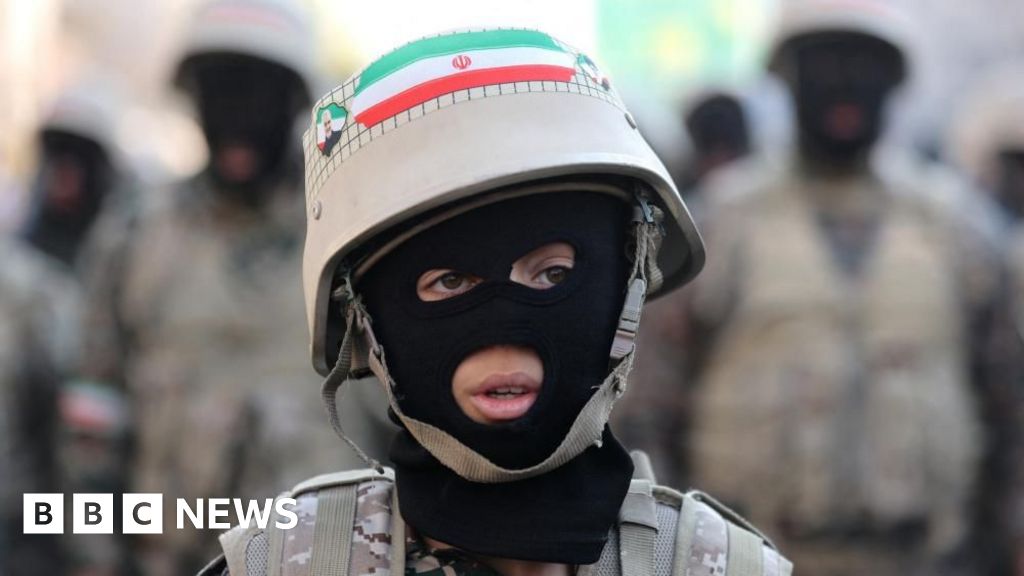
In a stark reminder of the human cost of war, an 11-year-old boy was reportedly killed in an airstrike while manning a checkpoint in Tehran. The incident, which occurred amid escalating regional hostilities, has drawn international condemnation and raised urgent questions about the targeting of civilians—especially children—in modern warfare. As global powers assess the fallout, this tragedy underscores the deepening instability in the Middle East and the potential for wider conflict.
Details of the Attack
According to initial reports, the child was stationed at a makeshift security checkpoint when the strike hit. While the exact circumstances remain unclear, local sources suggest the boy may have been assisting militia forces—a grim reality in conflict zones where children are often exploited. The attack has not been officially claimed, but analysts point to heightened tensions between Iran and its regional adversaries, including Israel and the U.S., as a likely backdrop.
Tehran has condemned the strike as a “blatant violation of international law,” while independent observers call for an immediate investigation into whether the attack constitutes a war crime. The boy’s death adds to a growing toll of civilian casualties in the region, where proxy wars and drone warfare have blurred the lines between combatants and non-combatants.
Global Context: A Region on the Brink
The Middle East remains a tinderbox, with Iran at the center of multiple geopolitical flashpoints. From its nuclear program to its support for militant groups across the region, Tehran’s actions have drawn fierce opposition from Western and Gulf states. Recent months have seen a surge in covert operations, cyberattacks, and targeted assassinations, with both sides avoiding direct confrontation—until now.
The killing of a child in an airstrike marks a disturbing escalation, raising fears of a broader conflict. If confirmed as an intentional act, it could trigger retaliatory strikes, further destabilizing an already volatile region. Even if accidental, the incident highlights the lethal consequences of unchecked military aggression.
Why This Matters Beyond the Middle East
The implications of this attack extend far beyond Tehran. The U.S. and its allies have long viewed Iran as a destabilizing force, while Russia and China have increasingly aligned with Tehran, complicating diplomatic efforts at the UN. Any major escalation risks drawing in global powers, disrupting oil supplies, and triggering a humanitarian crisis.
Moreover, the use of child soldiers—or even their proximity to combat zones—violates multiple international conventions, including the UN Convention on the Rights of the Child. If militias are indeed recruiting minors, it signals a dangerous erosion of wartime ethics. The international community must now decide whether to intervene or risk further normalization of such atrocities.
International Reactions and Calls for Accountability
Human rights organizations have demanded an independent inquiry, with Amnesty International stating, “The death of a child in conflict is always an unspeakable tragedy, but when it occurs under questionable circumstances, the world must demand answers.” The UN has urged restraint, while the U.S. and EU have called for de-escalation—though their statements stopped short of assigning blame.
Iran, meanwhile, has vowed a “swift and decisive” response, though it remains unclear whether this will take the form of military action or diplomatic pressure. With global powers watching closely, the next moves could determine whether this tragedy becomes a turning point or merely another grim footnote in an endless cycle of violence.
Conclusion: A Warning the World Cannot Ignore
The death of an 11-year-old in Tehran is more than a headline—it is a chilling indicator of how modern warfare increasingly claims the most vulnerable as casualties. As drone strikes and proxy conflicts redefine battlefields, the rules of engagement are being tested like never before. If the international community fails to act, this incident may foreshadow a darker era where civilian lives are deemed collateral damage in the pursuit of geopolitical dominance.
For now, the world holds its breath, waiting to see whether this tragedy will spur accountability or further bloodshed. One thing is certain: in the shadow of war, no child should ever pay the price.
