



Akron Considers Extending Police Body Camera “Look Back” Time to Boost Transparency
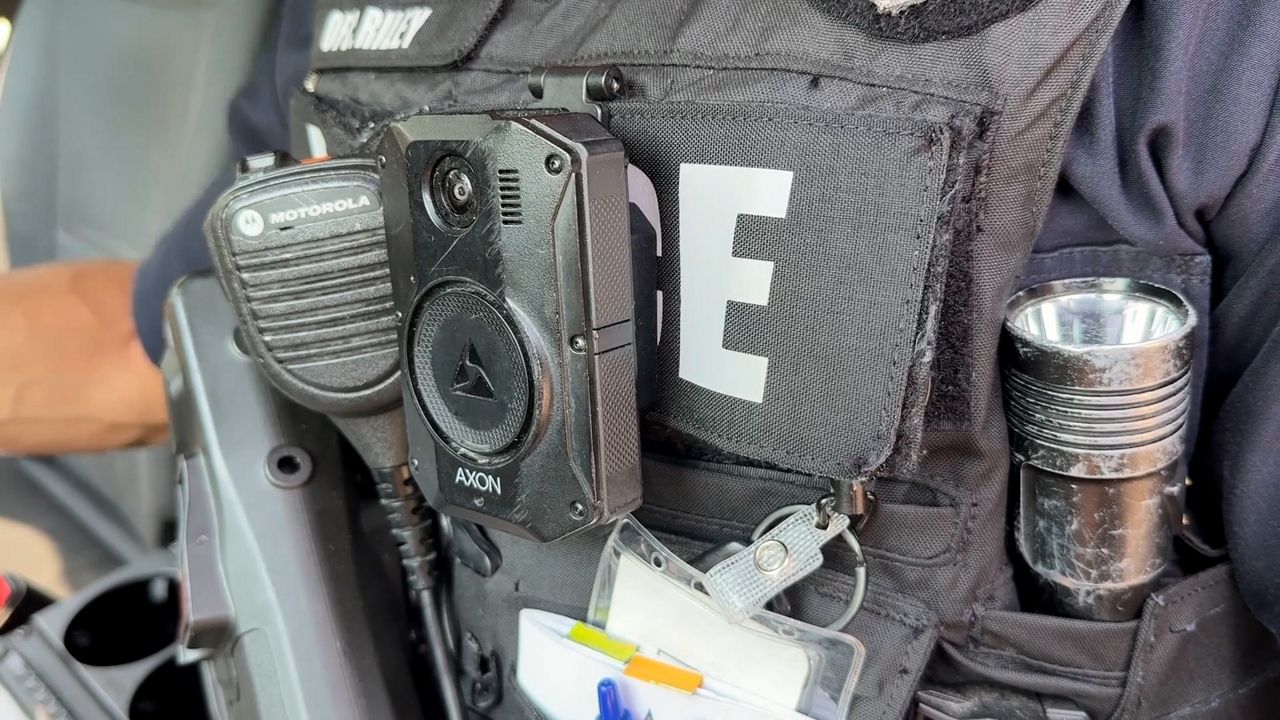
Akron, Ohio — The Akron Police Department, one of the first major Ohio agencies to adopt body-worn cameras in 2017, is now facing calls to expand the technology’s “look back” feature—a move supporters say could enhance accountability and public trust.
Currently, Akron officers’ body cameras capture 30 seconds of silent video before activation, offering a glimpse of events leading up to an incident. But after a narrow 7-6 city council vote, officials are exploring whether to extend that buffer to a full minute—with audio—despite concerns over costs and data storage.
Why Look Back Matters
Body cameras only record when manually activated, meaning critical moments can be missed if an officer doesn’t hit the button in time. The “look back” function fills that gap by preserving footage from before activation.
Council President Margo Sommerville, who backed the resolution, argues the change would provide clearer evidence in high-stakes situations, such as the 2025 fatal police shooting of 15-year-old Jazmir Tucker.
“More footage means more transparency,” Sommerville told Nexio News. “This isn’t just about holding officers accountable—it’s about rebuilding trust with our community.”
The Debate: Cost vs. Accountability
Opponents, including six council members who voted against the resolution, cite financial hurdles. Longer recordings require expanded digital storage and more staff time to process public records requests.
However, Ohio’s Body-Worn Camera Grant Program—which has distributed over $23 million since 2021—could offset expenses. Akron has applied for funding, with the police department stating: “Extending the look back period ensures we capture all relevant interactions accurately.”
Other Ohio cities, like Columbus, already use longer buffers—up to two minutes, with a rare 24-hour option for extreme cases.
What’s Next?
Mayor Shammas Malik’s office acknowledged the benefits of extended footage but warned of logistical challenges. Sommerville said the next step is researching best practices and funding options before drafting formal legislation.
For now, Akron’s 100+ uniformed officers—from patrol to SWAT—continue wearing cameras, with the debate over how much history they should preserve far from settled.
— Reported by Nexio News
