



Australian Prime Minister Urges Trump to End Iran Conflict Amid Rising Global Tensions
In a bold diplomatic move, Australian Prime Minister Anthony Albanese has publicly called on former U.S. President Donald Trump to prioritize an end to the ongoing conflict in Iran, emphasizing the far-reaching economic and geopolitical consequences of prolonged hostilities. Albanese’s appeal, delivered during a high-profile international address, underscores Canberra’s growing unease over the destabilizing effects of the Iran crisis on global markets and regional security. This rare intervention by Australia highlights the nation’s increasingly assertive role on the world stage, as well as its concerns over the potential ripple effects of a protracted conflict in the Middle East.
Australia’s Strategic Concerns
The Prime Minister’s call comes at a time when tensions in the Middle East have escalated, with Iran’s nuclear ambitions and its strained relations with Western powers fueling fears of a broader regional conflict. Australia, though geographically distant from the Middle East, has significant economic and strategic interests at stake. As a major exporter of natural resources and a key ally of the United States, Canberra is deeply invested in maintaining global stability and open trade routes.
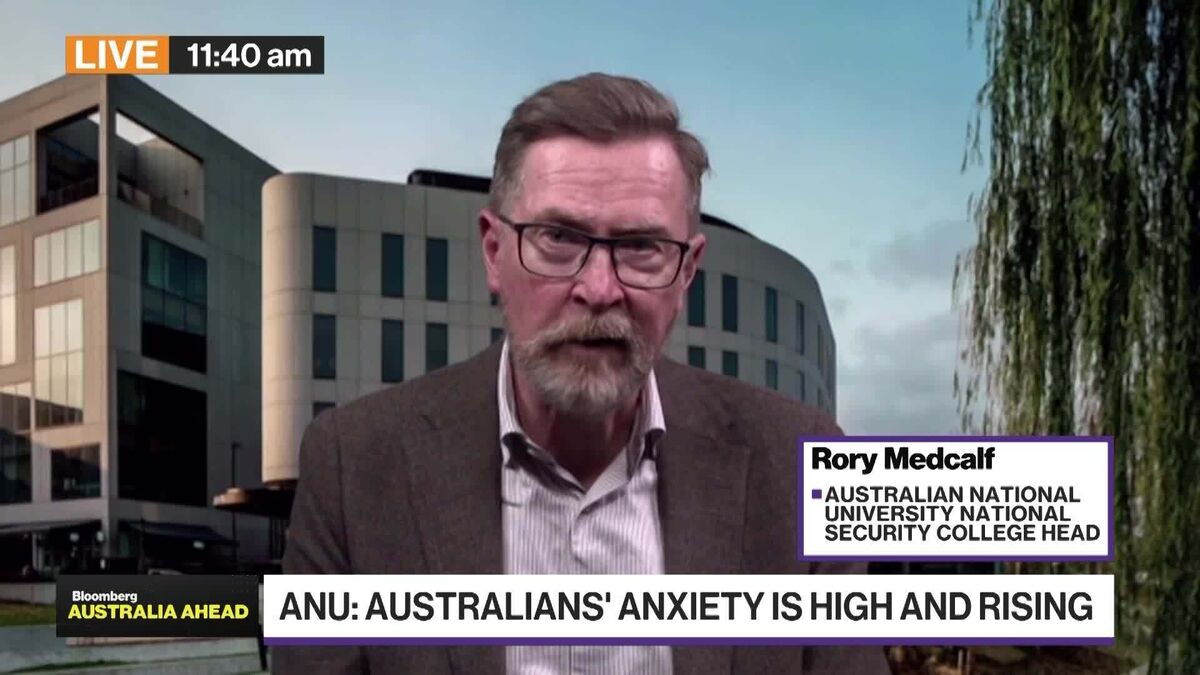
Rory Medcalf, head of the Australian National University’s National Security College, explained that Albanese’s stance reflects widespread apprehension among Australians about the economic fallout of the Iran conflict. “The war in Iran has far-reaching implications for global energy markets, trade flows, and security alliances,” Medcalf noted in an interview with Bloomberg’s The Asia Trade. “Australia’s economy is heavily reliant on international trade, and any disruption in the Middle East could have cascading effects on our prosperity.”
The U.S. Role in the Iran Crisis
Albanese’s appeal to President Trump is particularly noteworthy given the former U.S. leader’s pivotal role in shaping American policy toward Iran during his presidency. Trump’s administration famously withdrew from the 2015 Joint Comprehensive Plan of Action (JCPOA), commonly known as the Iran nuclear deal, and reinstated crippling economic sanctions on Tehran. These actions were part of a broader strategy to pressure Iran into negotiating a more comprehensive agreement, but they also fueled tensions, leading to a series of confrontations that have brought the region to the brink of open conflict.
The Australian Prime Minister’s message, however, is not merely a critique of past policies but a call for renewed diplomatic engagement. “We urge the United States, under President Trump’s leadership, to take decisive steps toward de-escalation and a peaceful resolution,” Albanese stated. “The world cannot afford another protracted conflict in the Middle East.”
Global Implications of the Iran Conflict
The Iran crisis has far-reaching implications beyond the Middle East. The Strait of Hormuz, a critical chokepoint for global oil shipments, remains a flashpoint in the conflict. Any disruption to shipping in this region could send oil prices soaring, destabilizing economies worldwide. For resource-dependent nations like Australia, this poses a direct threat to economic stability.
Moreover, the conflict has exacerbated global geopolitical tensions, pitting the U.S. and its allies against Iran and its regional partners. Australia, as a member of the Five Eyes intelligence alliance and a key U.S. ally in the Indo-Pacific, finds itself navigating a complex web of alliances and rivalries. Albanese’s intervention can be seen as an attempt to balance Australia’s strategic partnerships with its commitment to multilateralism and global peace.
Australia’s Evolving Foreign Policy
Albanese’s appeal also marks a shift in Australia’s foreign policy approach. Historically, Canberra has maintained a relatively low profile on Middle Eastern issues, deferring to its more influential allies. However, under Albanese’s leadership, Australia has increasingly positioned itself as a proactive participant in global diplomacy. This shift reflects both the changing dynamics of international politics and Australia’s desire to protect its economic and strategic interests in an increasingly uncertain world.
The Prime Minister’s call for peace in Iran aligns with his broader vision of a rules-based international order, where conflicts are resolved through dialogue rather than military intervention. It also underscores Australia’s commitment to multilateralism, particularly at a time when global institutions like the United Nations are under strain.
Reactions to Albanese’s Appeal
The international community has responded with a mix of support and skepticism to Albanese’s call. European leaders, many of whom have been critical of Trump’s Iran policy, have welcomed Australia’s intervention as a positive step toward de-escalation. However, some analysts caution that Albanese’s appeal may carry limited weight, given Trump’s historically unilateral approach to foreign policy.
Domestically, Albanese’s stance has drawn praise from Australians concerned about the economic and security implications of the Iran conflict. “It’s refreshing to see our Prime Minister take a stand on such a critical issue,” said one Australian citizen interviewed by local media. “This conflict affects all of us, and it’s important that Australia has a voice in the global conversation.”
The Road Ahead
As global tensions continue to simmer, the question remains whether Albanese’s appeal will spur meaningful action. Diplomatic efforts to resolve the Iran crisis have repeatedly faltered, with deep-seated mistrust between Tehran and Washington hindering progress. Australia’s call for peace, while significant, is unlikely to single-handedly alter the trajectory of the conflict.
However, Albanese’s intervention highlights the interconnectedness of today’s world, where conflicts in one region can reverberate across the globe. It also underscores the importance of diplomacy and multilateralism in addressing complex global challenges.
In the face of mounting uncertainties, Australia’s plea for peace serves as a reminder that even smaller nations can play a vital role in shaping the course of international events. As the world watches the unfolding dynamics in the Middle East, the hope remains that cooler heads will prevail, and diplomacy will triumph over conflict.
While Albanese’s appeal may not immediately resolve the Iran crisis, it underscores Australia’s commitment to global stability and its willingness to advocate for peace on the world stage. In an era marked by geopolitical turbulence, such leadership is both timely and necessary. The path forward remains uncertain, but the collective efforts of nations like Australia offer a glimmer of hope for a more peaceful and prosperous future.
