


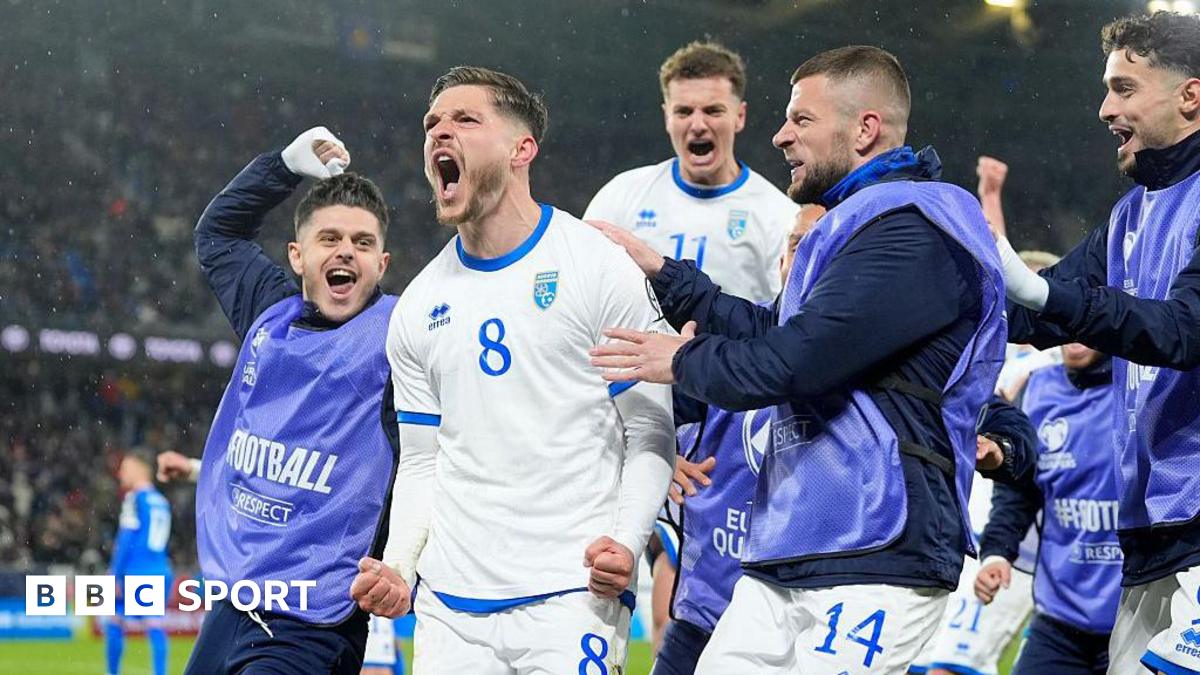

Kosovo’s World Cup Dream: A Historic Moment Amid Global Tensions
As the world watches, Kosovo stands on the brink of a historic milestone that transcends sport—a potential qualification for the FIFA World Cup. For a nation scarred by war and still navigating a contentious path to full international recognition, this achievement would be more than just a sporting triumph. It would be a symbolic beacon of resilience, unity, and global identity. As Kosovo prepares for its decisive match, the stakes are high—not just on the field, but in the broader geopolitical arena where the country continues to fight for legitimacy.
A Nation Born from Conflict
Kosovo’s journey to this moment is steeped in turmoil. The Kosovo War of 1998-1999, a brutal conflict between Serbian forces and Kosovo Albanian insurgents, ended with NATO’s intervention and the eventual withdrawal of Serbian troops. June 12, 1999, marked Liberation Day—a celebration of newfound freedom and the arrival of NATO-led peacekeepers. Nine years later, in 2008, Kosovo declared independence, though its sovereignty remains unrecognized by 83 of the 193 United Nations member states, including Serbia, Russia, and China.
This contested status has shaped Kosovo’s identity and its interactions on the global stage. Sporting events, particularly football, have become a rare platform for Kosovo to assert its presence. In 2016, FIFA and UEFA formally recognized Kosovo’s football federation, allowing it to compete internationally. Now, with a World Cup qualification within reach, Kosovo has the opportunity to shine on one of the world’s biggest stages.
The Political Weight of Sport
Kosovo’s potential qualification is not just a sporting achievement; it is a political statement. Berisha, a prominent figure in Kosovo’s football scene, underscores the significance: “Qualifying for the World Cup would be historic, bearing in mind it’s only 10 years since we’ve been recognized by FIFA and UEFA.” He adds, “Some have called Tuesday the biggest day in Kosovo’s history since independence in 2008… It would have a huge impact worldwide.”
The global implications are profound. For Kosovo, a World Cup berth would amplify its voice in international forums, reinforce its national identity, and challenge those who deny its sovereignty. For the global community, it would serve as a reminder of the power of sport to transcend borders, heal divisions, and foster unity. In a world increasingly fractured by geopolitical tensions, Kosovo’s story offers a rare glimmer of hope.
The Road Ahead: Challenges on and Off the Field
If Kosovo qualifies, it will join Group D, facing Australia in Vancouver on June 13, Paraguay in San Francisco on June 19, and co-hosts the United States in Los Angeles on June 25. These matches will test Kosovo’s football prowess, but they also carry symbolic weight. Each game will be a platform for Kosovo to showcase its resilience and talent, while also confronting the political complexities of its contested status.
The United States, a key supporter of Kosovo’s independence, stands out as a particularly significant opponent. A match against the U.S. on American soil would be a poignant moment, highlighting the enduring alliance between the two nations. Meanwhile, facing traditional football powerhouses like Australia and Paraguay would further elevate Kosovo’s profile on the global stage.
Why It Matters Globally
Kosovo’s World Cup bid matters not just to its citizens but to the international community. It underscores the enduring legacy of the Kosovo War and the NATO intervention that reshaped the Balkans. It also highlights the ongoing struggle for recognition faced by many post-conflict nations. Kosovo’s journey reflects broader themes of identity, sovereignty, and the pursuit of legitimacy in a world where these ideals are increasingly contested.
Moreover, Kosovo’s story resonates with other nations navigating similar challenges. From Palestine to Taiwan, contested territories often turn to sport as a means of asserting their identity and gaining recognition. Kosovo’s success could inspire these nations, demonstrating that even in the face of adversity, the pursuit of global legitimacy is possible.
A Moment of Unity Amid Division
In a world grappling with rising nationalism, political polarization, and economic inequality, Kosovo’s World Cup dream offers a rare moment of unity. For Kosovars, it is a chance to celebrate their resilience and achievements. For the global community, it is a reminder of the power of sport to bridge divides and foster understanding.
As Kosovo prepares for its decisive match, the world watches with bated breath. Will this small Balkan nation defy the odds and secure its place in football history? Whatever the outcome, Kosovo’s journey is a testament to the enduring human spirit and the transformative power of sport.
Conclusion
Kosovo’s potential World Cup qualification is more than a sporting milestone—it is a historic moment with profound global implications. It symbolizes the resilience of a nation forged in conflict, the enduring struggle for recognition, and the unifying power of sport. As Kosovo steps onto the field, it carries the hopes and dreams of its people, as well as the attention of a world that continues to grapple with questions of identity, sovereignty, and unity. Win or lose, Kosovo has already scored a victory—a reminder that even in the face of adversity, the pursuit of legitimacy and recognition is a cause worth fighting for.
