


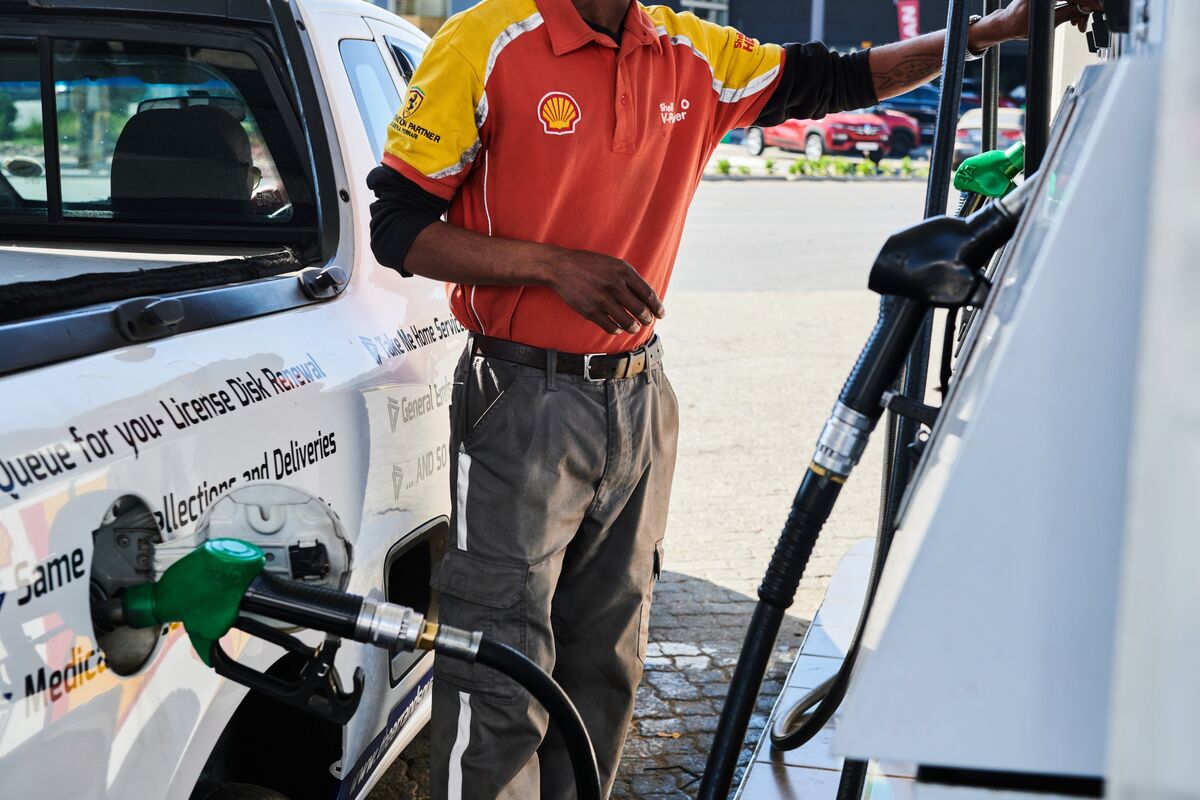

South Africa Moves to Ease Fuel Price Burden Amid Global Oil Price Surge
In a bid to shield consumers from the escalating impact of soaring global oil prices, South Africa has announced plans to reduce the tax levied on fuel, a move that could provide much-needed relief to households and businesses grappling with rising energy costs. Finance Minister Enoch Godongwana revealed the decision, emphasizing the government’s commitment to mitigating the economic strain caused by the ongoing global energy crisis.
The announcement comes at a critical juncture, as South Africa, like many nations worldwide, faces the dual pressures of inflationary spikes and economic instability exacerbated by the geopolitical turmoil surrounding Russia’s war in Ukraine. The decision to cut fuel taxes underscores the government’s efforts to balance fiscal responsibility with the urgent need to support its citizens during these turbulent times.
Understanding the Context: A Global Energy Crunch
The global energy landscape has been in turmoil since early 2022, when Russia’s invasion of Ukraine triggered a cascade of economic repercussions, including a sharp rise in oil prices. As Western nations imposed sanctions on Russian energy exports, global supply chains tightened, causing crude oil prices to surge to levels not seen in nearly a decade. Brent crude, the international benchmark, has consistently hovered above $100 per barrel, placing immense pressure on economies heavily reliant on imported fuel.
South Africa, which imports a significant portion of its petroleum products, has been particularly vulnerable to these fluctuations. The country’s fuel prices are influenced by a combination of international oil prices, the exchange rate of the South African rand, and domestic taxes. In recent months, these factors have converged to push fuel costs to record highs, straining household budgets and increasing the operational costs of businesses across sectors.
Breaking Down the Tax Cut
The South African government’s decision to reduce fuel levies is a targeted measure aimed at easing the burden on consumers. The General Fuel Levy (GFL) and the Road Accident Fund (RAF) levy, two primary taxes imposed on fuel, currently account for a substantial portion of the final price paid at the pump.
Minister Godongwana did not specify the exact reduction in the levies but assured that the adjustment would be implemented swiftly to provide immediate relief. The government is expected to cover the revenue shortfall through other fiscal measures, ensuring that essential public services funded by these taxes remain unaffected.
This tax cut follows a temporary reduction implemented earlier this year, which expired in August. At the time, the government had slashed the GFL by R1.50 per liter, a move that was widely welcomed but deemed insufficient in the face of persistently high oil prices. The latest decision reflects a recognition of the prolonged nature of the crisis and the need for sustained intervention.
Economic Implications and Public Response
The reduction in fuel taxes is expected to have a ripple effect across the economy. Lower fuel prices will directly impact transportation costs, which in turn could lead to a reduction in the prices of goods and services. For households, the relief could free up disposable income, potentially stimulating consumer spending.
However, some analysts have cautioned that while the tax cut is a step in the right direction, it may not fully address the underlying issues driving inflation and economic instability. South Africa’s economy remains fragile, with unemployment hovering near 35% and growth prospects dimmed by structural challenges such as persistent power outages and supply chain disruptions.
Public reaction to the announcement has been mixed. While many have welcomed the move as a timely intervention, others argue that more comprehensive measures are needed to tackle the root causes of the energy crisis. Calls for increased investment in renewable energy infrastructure and greater energy independence have grown louder, with critics urging the government to adopt a long-term strategy to reduce reliance on imported fuel.
A Broader Look: Global Trends and South Africa’s Position
South Africa’s decision to reduce fuel taxes aligns with similar measures taken by other nations grappling with the global energy crisis. Governments from Europe to Asia have introduced subsidies, tax cuts, and price caps to shield consumers from rising energy costs. However, these interventions have often come at a significant fiscal cost, raising concerns about their sustainability in the long run.
For South Africa, the challenge lies in striking a delicate balance between providing immediate relief and maintaining fiscal discipline. The country’s debt-to-GDP ratio has risen sharply in recent years, limiting the government’s ability to implement expansive fiscal measures without jeopardizing its economic stability.
At the same time, the crisis has reignited debates about energy security and the need for diversification. South Africa remains heavily dependent on coal, which accounts for the bulk of its electricity generation. While the country has made strides in expanding its renewable energy capacity, progress has been slow, hindered by bureaucratic delays and financial constraints.
Looking Ahead: Challenges and Opportunities
As South Africa navigates the complexities of the global energy crisis, the government’s decision to reduce fuel taxes represents a pragmatic approach to addressing immediate economic pressures. However, the broader challenge lies in implementing sustainable policies that promote energy security, economic growth, and environmental resilience.
The global shift toward renewable energy presents an opportunity for South Africa to reposition itself as a leader in the African energy transition. With abundant solar and wind resources, the country has the potential to reduce its reliance on imported fuel and foster a more sustainable energy ecosystem.
Yet, achieving this vision will require bold leadership, strategic investment, and collaboration between the public and private sectors. As the world grapples with the multifaceted impacts of the energy crisis, South Africa’s response will serve as a litmus test for its ability to adapt and thrive in an increasingly uncertain global landscape.
Conclusion: A Step Toward Stability
South Africa’s decision to reduce fuel taxes marks a significant step in alleviating the immediate economic pressures caused by soaring oil prices. While the move is likely to provide much-needed relief to consumers and businesses, it also underscores the urgent need for long-term solutions to the nation’s energy challenges.
As the government balances short-term interventions with strategic investments in the future, the path ahead remains fraught with challenges. Yet, amid the uncertainty, there is also opportunity—to build a more resilient, sustainable, and inclusive economy that can weather the storms of a rapidly changing world. For now, the tax cut offers a glimmer of hope in an otherwise turbulent environment, reminding us of the delicate interplay between policy and progress.
