


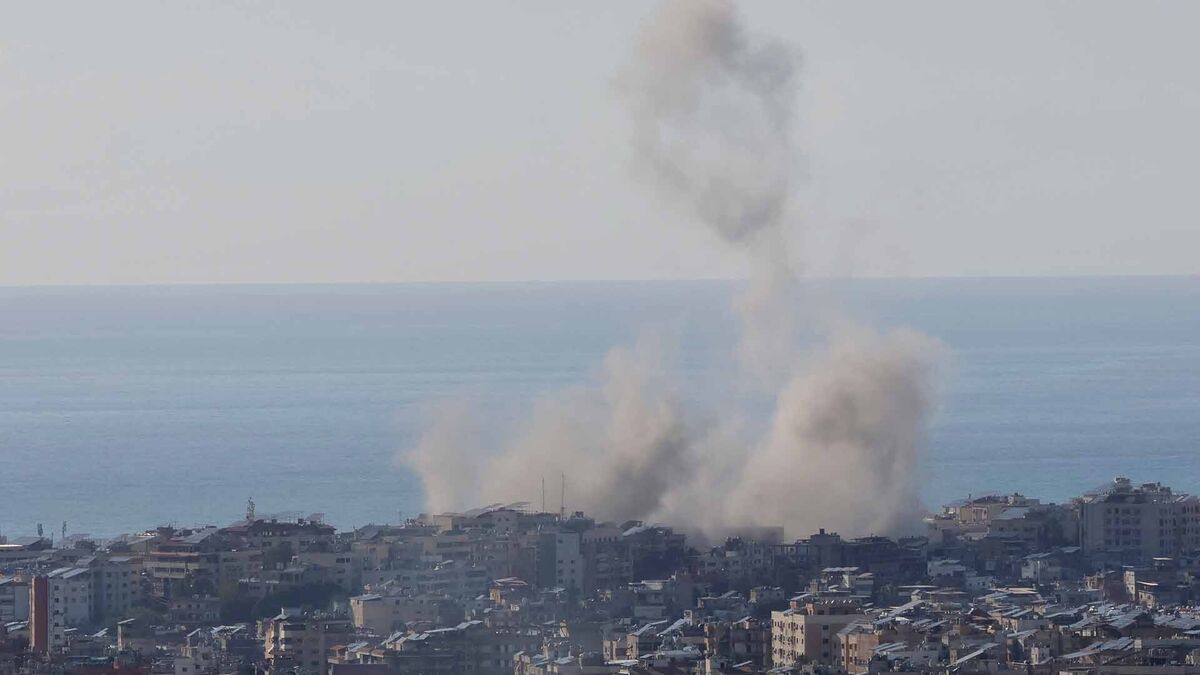

Iran Crisis: Stalemate Looms as Strategic Options Narrow for All Parties
The escalating standoff between Iran and its adversaries has reached a critical juncture, with experts warning that neither side is likely to achieve its full objectives, despite mounting tensions and the specter of protracted conflict. Jessica Genauer, a leading expert in international conflict at the University of New South Wales Public Policy Institute, has highlighted the complex strategic dynamics at play, emphasizing the limited options available to Iran, the United States, and regional actors. Her analysis underscores the growing risk of a prolonged stalemate that could destabilize the Middle East and test the resolve of global powers.
The current crisis stems from a deeply entrenched series of grievances and strategic miscalculations. Iran’s nuclear ambitions, its support for proxy groups across the region, and its confrontational rhetoric toward Israel and Western powers have long been flashpoints for conflict. Meanwhile, the United States and its allies have pursued sanctions, diplomatic isolation, and military deterrence in an effort to curtail Iran’s influence. However, as Genauer notes, neither side has been able to secure a decisive advantage, leaving the conflict in a perilous state of equilibrium.
Strategic Constraints on Iran
For Iran, the primary challenge lies in balancing its regional ambitions with its increasingly precarious domestic situation. The country’s economy has been battered by years of U.S.-led sanctions, exacerbated by mismanagement and corruption. Public discontent has simmered, with widespread protests erupting in recent years over issues ranging from economic hardship to political repression. Despite these pressures, Iran’s leadership has doubled down on its regional strategy, leveraging proxies in Yemen, Lebanon, Syria, and Iraq to project power and counterbalance its adversaries.
However, this approach carries significant risks. While Iran’s proxy networks provide it with deniability and strategic depth, they also expose it to escalating retaliation. For instance, Israeli airstrikes targeting Iranian-backed militias in Syria have become increasingly frequent, raising the specter of a broader confrontation. Moreover, Iran’s reliance on proxies has strained its relationships with key regional players, including Saudi Arabia, which views Tehran as a destabilizing force.
Genauer argues that Iran’s calculus is further complicated by its nuclear program. While the country has made significant strides in enriching uranium, it has stopped short of crossing the threshold to weaponization, likely due to fears of provoking a military response from the U.S. or Israel. This cautious approach reflects Iran’s recognition of its vulnerabilities, particularly its inability to match the conventional military capabilities of its adversaries.
The U.S. and Allies: Limited Leverage
On the other side of the equation, the United States and its allies face their own set of constraints. The Biden administration has sought to revive the 2015 Joint Comprehensive Plan of Action (JCPOA), commonly known as the Iran nuclear deal, as a means of de-escalating tensions and preventing Tehran from acquiring nuclear weapons. However, negotiations have repeatedly stalled, with both sides accusing the other of intransigence.
Even if a renewed agreement were reached, its impact would be limited. The original JCPOA did not address Iran’s ballistic missile program or its support for proxy groups, leaving significant gaps in the West’s ability to curb Tehran’s regional influence. Meanwhile, domestic opposition in the U.S. to concessions for Iran has complicated the Biden administration’s diplomatic efforts, with critics arguing that any deal would merely delay Iran’s nuclear ambitions rather than eliminate them.
Military options are similarly fraught with risk. While the U.S. possesses overwhelming firepower, a direct conflict with Iran could have catastrophic consequences, from disruption of global oil supplies to a wider regional war. Moreover, Iran’s asymmetric capabilities, including its network of proxy forces and its ability to target U.S. interests in the region, make it a formidable adversary despite its conventional military weaknesses.
Regional Dynamics and the Stalemate
The conflict’s regional dimensions further complicate the strategic landscape. Israel, Iran’s most vocal opponent, has repeatedly signaled its willingness to take unilateral action to prevent Tehran from acquiring nuclear weapons. However, such a move would likely escalate tensions across the Middle East, drawing in other regional players and potentially sparking a broader conflict.
Similarly, Gulf states like Saudi Arabia and the United Arab Emirates are caught in a delicate balancing act. While they share Israel’s concerns about Iran, they are wary of provoking Tehran or becoming embroiled in a U.S.-led conflict that could destabilize the region. This ambivalence has limited the prospects for a unified regional front against Iran, further entrenching the stalemate.
Genauer cautions that the current impasse is unlikely to be resolved anytime soon. “Neither side has the ability to achieve its maximalist objectives,” she explains. “At the same time, neither side is willing to make the concessions necessary to de-escalate the situation. The result is a dangerous equilibrium that could persist for years.”
Implications for Global Stability
The ongoing crisis has far-reaching implications for global security and stability. A protracted standoff could undermine efforts to address other pressing challenges, from the war in Ukraine to the growing competition between the U.S. and China. Moreover, the risk of miscalculation remains high, with the potential for a localized incident to spiral into a broader conflict.
For the international community, the challenge lies in finding a way to break the deadlock without further inflaming tensions. Diplomatic engagement, confidence-building measures, and multilateral initiatives could play a role, but achieving meaningful progress will require a degree of political will that has so far been lacking.
As the world watches the Iran crisis unfold, one thing is clear: the path to resolution is fraught with obstacles, and the stakes could not be higher. In the words of Jessica Genauer, “This is a conflict where all parties have painted themselves into a corner. The only way out is through difficult compromises, but the question remains: who will blink first?”
The answer to that question will shape the future of the Middle East—and the world—for years to come.
