


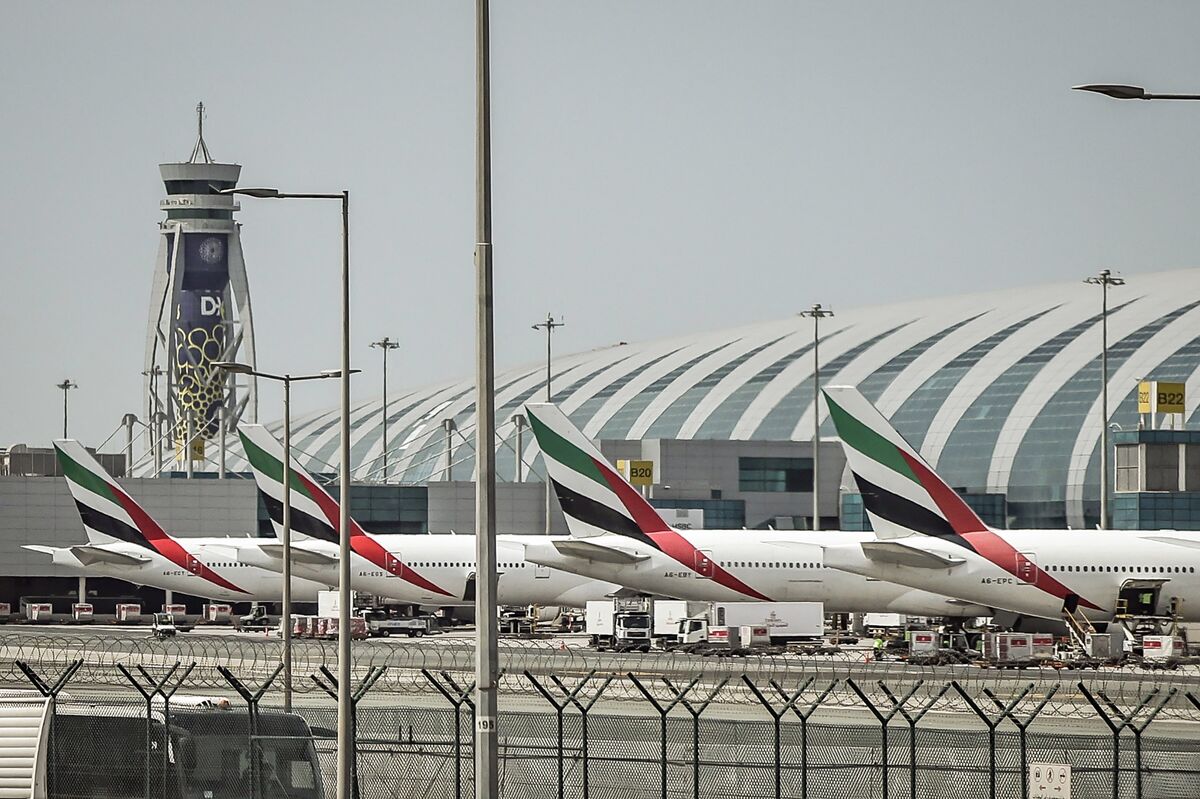

Middle East Conflict Grounds Aviation Industry Once Again, Sparking Concerns for Dubai Billionaire Gediminas Ziemelis
Dubai, UAE – October 2023
The aviation industry, still recovering from the crippling effects of the COVID-19 pandemic, finds itself grappling with yet another crisis as geopolitical tensions in the Middle East escalate. For Gediminas Ziemelis, a Dubai-based billionaire and prominent figure in the aviation sector, the situation evokes an unsettling sense of déjà vu. With aircraft grounded, passenger demand plummeting, and no clear end in sight, the industry faces a daunting challenge that threatens to derail its fragile recovery.
Ziemelis, chairman of Avia Solutions Group, one of the largest aviation services companies in the world, has witnessed firsthand the devastating impact of global crises on air travel. From the 9/11 attacks to the financial crash of 2008, and more recently, the COVID-19 pandemic, the aviation sector has repeatedly proven to be one of the most vulnerable to external shocks. Now, as conflict engulfs the Middle East, airlines, airports, and aviation-related businesses are bracing for another wave of turbulence.
The Current Crisis
The latest conflict in the Middle East, which erupted in early October, has already had a profound impact on the region’s aviation industry. Flights to and from affected areas have been suspended, and airlines worldwide are rerouting their planes to avoid the conflict zone. Major carriers, including Emirates, Qatar Airways, and Etihad Airways, have reported significant disruptions to their operations, with passenger numbers plummeting as travelers cancel or postpone trips amid fears of escalating violence.
For Ziemelis, the parallels to past crises are impossible to ignore. “Once again, we are seeing planes grounded, demand evaporating, and uncertainty clouding the future,” he said in a recent interview. “The aviation industry is incredibly resilient, but each crisis tests that resilience to its limits.”
The immediate repercussions are already evident. Stock prices of major airlines have plummeted, and aviation-related businesses are reporting sharp declines in revenue. Airports in the region, which had been enjoying a post-pandemic rebound, are now eerily quiet as passenger numbers dwindle. The ripple effects are being felt across the global supply chain, from aircraft manufacturers to travel agencies, and even hotels and tourism operators.
Historical Context
The aviation industry’s vulnerability to geopolitical events is well-documented. The 9/11 terrorist attacks in 2001 led to a global aviation shutdown and a prolonged period of reduced demand. The 2008 financial crisis caused a sharp decline in passenger numbers, particularly in the premium travel segment. More recently, the COVID-19 pandemic brought the industry to its knees, with airlines losing billions of dollars and thousands of aircraft grounded for months.
Each crisis has left lasting scars, reshaping the industry in profound ways. Airlines have been forced to adopt new strategies, such as cost-cutting measures, fleet modernization, and diversification of revenue streams. However, the current Middle East conflict poses unique challenges, given the region’s strategic importance as a global aviation hub.
Dubai, home to the world’s busiest international airport, plays a pivotal role in connecting East and West. The city’s flagship carrier, Emirates, operates one of the largest fleets of wide-body aircraft and serves as a key player in global aviation. Similarly, Qatar Airways and Etihad Airways have transformed their respective countries into major transit hubs, facilitating billions of dollars in trade and tourism annually.
Economic Implications
The economic ramifications of the conflict extend far beyond the Middle East. The global aviation industry, which supports over 87 million jobs and contributes $3.5 trillion to the world economy annually, is deeply interconnected. Disruptions in one region can have a cascading effect on the entire network.
For example, airlines rerouting flights to avoid conflict zones face increased fuel costs and longer flight times, which eat into their profit margins. Airports that rely heavily on transit passengers, such as those in Dubai and Doha, are experiencing a sharp decline in revenue from landing fees, retail sales, and other ancillary services. Meanwhile, aircraft manufacturers like Boeing and Airbus may see delays in deliveries as airlines postpone orders amid uncertainty.
The conflict also threatens to exacerbate existing challenges in the industry, such as labor shortages and supply chain disruptions. Airlines that were already struggling to rebuild their workforce after the pandemic now face additional pressure to adapt to rapidly changing circumstances.
Industry Response
In the face of these challenges, industry leaders are taking swift action to mitigate the impact of the crisis. Airlines are implementing flexible booking policies to reassure passengers, while airports are enhancing security measures to ensure the safety of travelers. Governments and regulatory bodies are closely monitoring the situation, providing guidance and support to aviation stakeholders.
For Gediminas Ziemelis and Avia Solutions Group, the focus is on leveraging technology and innovation to navigate the crisis. The company, which provides a wide range of aviation services, from aircraft maintenance to crew training, is exploring ways to optimize operations and reduce costs. “Innovation has always been the key to overcoming adversity in this industry,” Ziemelis said. “We are investing in solutions that will not only help us weather this storm but also position us for long-term success.”
Broader Implications
The current crisis underscores the need for greater resilience and adaptability in the aviation industry. Experts argue that airlines and aviation-related businesses must adopt a more proactive approach to risk management, anticipating potential disruptions and developing contingency plans. This includes diversifying revenue streams, investing in sustainable aviation technologies, and strengthening partnerships with governments and other stakeholders.
At the same time, the conflict highlights the interconnectedness of the global economy and the importance of fostering stability in volatile regions. The Middle East, with its strategic location and abundant resources, plays a critical role in global trade and transportation. Ensuring peace and stability in the region is not only a humanitarian imperative but also an economic necessity.
Looking Ahead
As the conflict in the Middle East continues to unfold, the aviation industry remains on edge. While the immediate focus is on managing the crisis, industry leaders are also looking ahead, preparing for the eventual recovery.
For Gediminas Ziemelis, the lessons of past crises provide a roadmap for navigating the current challenges. “History has shown us that the aviation industry is capable of bouncing back, even from the most difficult situations,” he said. “This crisis is no different. It will test our resilience, but it will also inspire us to innovate and evolve.”
The road to recovery may be long and uncertain, but the aviation industry has proven time and again that it can rise above adversity. Whether it emerges stronger from this latest crisis, however, remains to be seen.
