


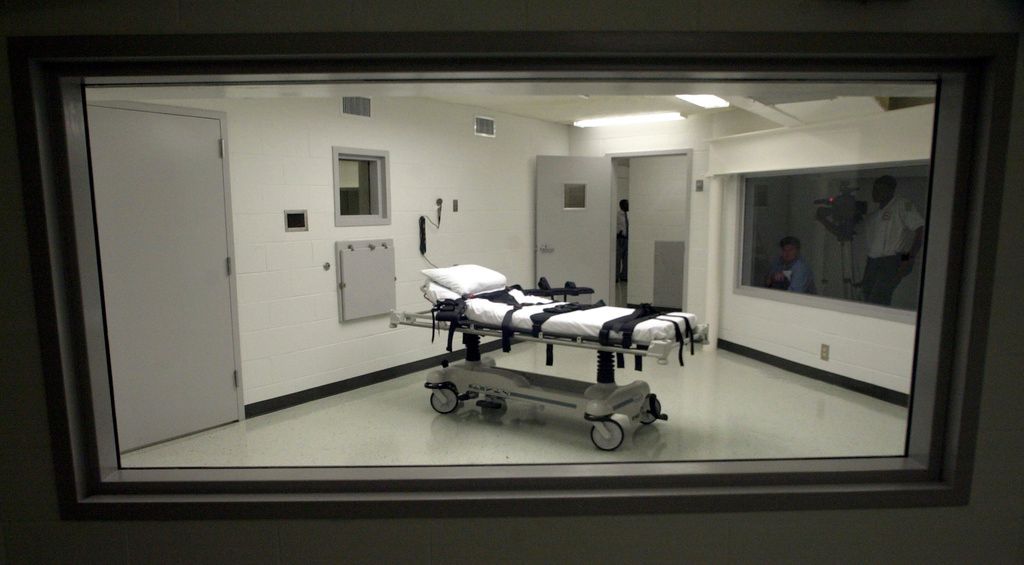

Ohio Attorney General Calls for Resumption of Executions Amid Growing Death Row Backlog
Ohio Attorney General Dave Yost has issued a stark call to end the state’s prolonged halt on executions, labeling the delay a “mockery of justice.” In his eighth and final annual Capital Crimes Report, Yost critiqued Ohio’s inability to carry out death sentences, arguing that the failure undermines the justice system and prolongs suffering for victims’ families.
The comprehensive report, which tracks every death penalty case since Ohio’s capital punishment law took effect in 1981, reveals a grim picture of a system in gridlock. From 1981 to December 31, 2025, Ohio handed down 342 death sentences to 337 individuals. Yet, only 56 executions have been carried out, with none occurring since July 2018. Meanwhile, 41 inmates have died of natural causes or suicide while awaiting execution.
Yost, who has served as attorney general for eight years, emphasized the toll this impasse takes on victims’ families and the justice system. “For the worst-of-the-worst killers, Ohio is wandering in a wilderness of lawlessness and desert of justice,” he stated.
A System in Crisis
Ohio currently has the fifth-largest Death Row population in the nation, with 113 inmates facing 115 death sentences. In 2025, one inmate passed away, another had charges dismissed, and a third was ruled ineligible for execution due to severe mental illness. Notably, no new inmates were added to Death Row last year.
The report highlights significant delays in carrying out executions, attributing part of the problem to pharmaceutical companies’ reluctance to supply lethal injection drugs. This issue has plagued multiple states, prompting Ohio lawmakers to explore alternative methods, such as nitrogen hypoxia, as a potential solution. Yost has voiced support for legislation that would authorize this method, stating it could help break the current impasse.
A Costly Delay
The financial burden of capital punishment in Ohio is staggering. The Ohio Legislative Service Commission estimates that capital cases cost the state between $116 million and $348 million. On average, condemned inmates spend nearly 23 years on Death Row, largely due to extensive appeals processes. The report notes that Ohio ranks 12th among 28 death penalty states in terms of the time inmates spend awaiting execution.
Yost also pointed to recent legal changes aimed at refining the system. In 2021, Ohio amended its death penalty law to exempt individuals with severe mental illness. Since then, nine death sentences have been commuted to life in prison, with 30 mental illness petitions still pending at the end of 2025.
A Call for Action
Yost’s report underscores the need for accountability and action. “Changes to the law are acceptable. Avoiding the law is not,” he said. “It compounds the suffering of all involved, including the members of the juries who had to make that difficult decision and the families of the victims who wait decades, if not their whole lives, without fulfillment of the justice promised.”
The attorney general also referenced federal efforts to address the challenge. In 2020, former President Donald Trump signed an executive order aimed at restoring the federal death penalty and securing states’ access to lethal injection drugs. Yost expressed hope that this could provide Ohio with the resources needed to resume executions.
Looking Ahead
As Ohio grapples with its Death Row backlog, Yost’s report serves as both a critique and a call to action. Lawmakers are now considering legislation to expand execution methods, while the Attorney General’s Office continues to advocate for justice for victims’ families.
“Those on Death Row have had more than their fair share of due process – and second and third helpings of overdue process,” Yost declared. “It is past time that we do right by the victims and punish the monsters who killed them.”
For those seeking more details, the full Capital Crimes Report is available on the Ohio Attorney General’s website.
— Reported by Nexio News
