



Russian Military Plane Crashes Near Ukraine Border: Technical Failure or Sabotage?
Dramatic Crash Raises Questions Amid Escalating Tensions
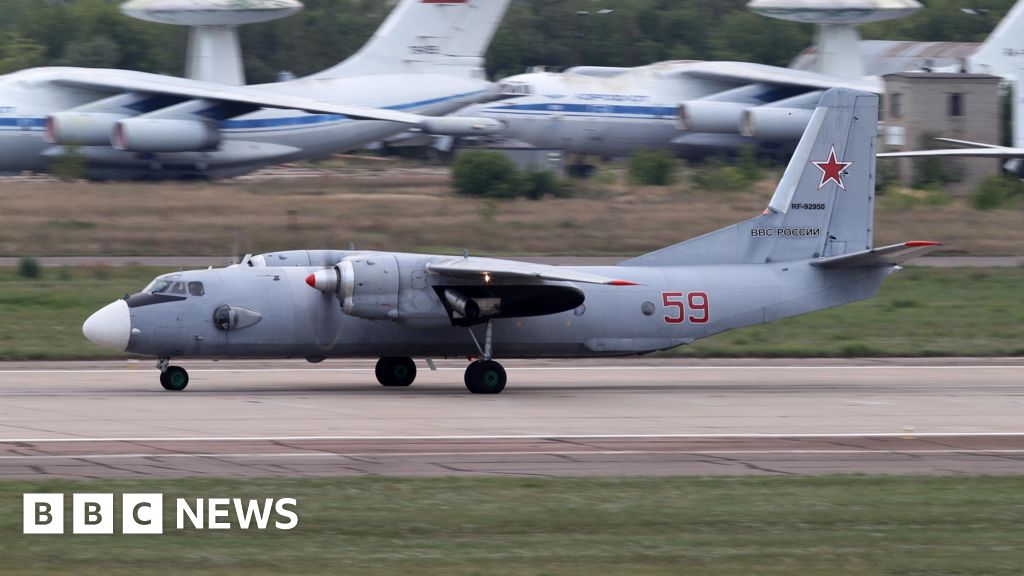
A Russian military transport plane, an Antonov An-26, plummeted into a rugged cliffside near the Ukrainian border in what authorities claim was a “technical malfunction.” The crash, which occurred in Russia’s northwestern Murmansk region, has ignited speculation amid heightened global tensions over Moscow’s ongoing war in Ukraine. With both sides locked in a brutal conflict, every incident involving military hardware is scrutinized for signs of sabotage, covert operations, or systemic failures. The Kremlin’s swift attribution to mechanical issues has done little to quell suspicions, particularly as Russia’s aviation sector grapples with Western sanctions and dwindling spare parts.
What Happened?
The twin-engine turboprop An-26 was reportedly conducting a routine training flight when it suddenly lost altitude and slammed into a steep hillside. Russian state media initially reported no survivors, though conflicting accounts later emerged. The Defense Ministry released a terse statement blaming an unspecified “equipment failure,” but offered no further details.
Independent analysts note that the An-26, a Soviet-era workhorse, has a mixed safety record, with past crashes attributed to aging components and poor maintenance. However, the timing—amid relentless Ukrainian drone strikes on Russian airbases—has fueled theories of possible foul play.
Global Context: A War of Attrition in the Skies
This incident is not isolated. Since the invasion began, both Russia and Ukraine have suffered significant aviation losses, from fighter jets to transport planes. Ukraine’s recent long-range drone attacks have struck deep inside Russian territory, targeting airfields and logistics hubs. Meanwhile, Moscow’s air force has faced mounting challenges due to Western sanctions cutting off critical aircraft parts, forcing reliance on cannibalized components.
The An-26 crash underscores a broader trend: Russia’s military is straining under the weight of prolonged conflict. While Ukraine’s allies supply advanced weaponry, Moscow’s once-formidable airpower is increasingly hobbled by attrition and supply shortages.
Why This Matters Beyond the Battlefield
- Escalation Risks – Any unexplained military incident near contested borders risks misinterpretation. If sabotage is suspected, Moscow could retaliate with harsher strikes on Ukraine.
- Sanctions Impact – The crash highlights the long-term consequences of Western embargoes on Russia’s defense industry. Can Moscow sustain its air operations without foreign technology?
- Information Warfare – Conflicting narratives around such events deepen distrust. Russian state media downplays failures, while Kyiv and its allies may seize on vulnerabilities.
Historical Precedents and Safety Concerns
The An-26, introduced in the 1960s, has been involved in over 150 accidents worldwide, per Aviation Safety Network data. Russia’s reliance on older aircraft, compounded by maintenance gaps, raises red flags about operational readiness. In 2021, another An-26 crash in Siberia killed seven, blamed on pilot error. Now, with wartime pressures, the risks multiply.
International Reactions and Next Steps
NATO officials have cautiously monitored the incident but refrained from public comment. Ukrainian intelligence sources, speaking anonymously, suggested possible “internal dysfunction” in Russia’s military logistics. Meanwhile, aviation experts urge independent investigations—though Moscow is unlikely to permit them.
Conclusion: A Symbol of Russia’s Wartime Struggles
The An-26 crash is more than a tragic accident; it’s a microcosm of Russia’s fraying military infrastructure. As the war drags on, equipment failures, sanctions, and battlefield losses may further degrade Moscow’s capabilities. For Ukraine and its allies, each crack in Russia’s armor is a strategic opportunity. For the world, it’s a reminder that in modern warfare, victory hinges not just on firepower, but on which side can keep its machines—and its soldiers—alive the longest.
The skies over this conflict remain as perilous as the trenches below.
