



Racist Chants at Spain-Egypt Friendly Spark Outrage and Investigation
Dramatic Opening: A Stain on the Beautiful Game
The beautiful game was marred by ugly scenes in Barcelona on Tuesday night as racist and Islamophobic chants erupted during Spain’s friendly match against Egypt. The match, intended to be a celebration of international football, descended into controversy as sections of the crowd targeted players with xenophobic slurs. Spanish police have launched an investigation into the incident, while players—including Spain’s Muslim winger Lamine Yamal—condemned the abuse as “disrespectful and intolerable.” The episode highlights the persistent issue of racism in football, raising urgent questions about fan behavior, stadium security, and the sport’s ability to combat discrimination.
Incident Details: Chants and Warnings
The trouble began during the first half of the match at RCDE Stadium, where spectators directed Islamophobic and xenophobic chants toward the Egyptian team. By halftime, stadium officials displayed a warning message on the big screen, urging fans to refrain from discriminatory behavior. The announcement was repeated early in the second half, prompting whistles and jeers from some sections of the crowd—an indication that the message was met with defiance rather than compliance.
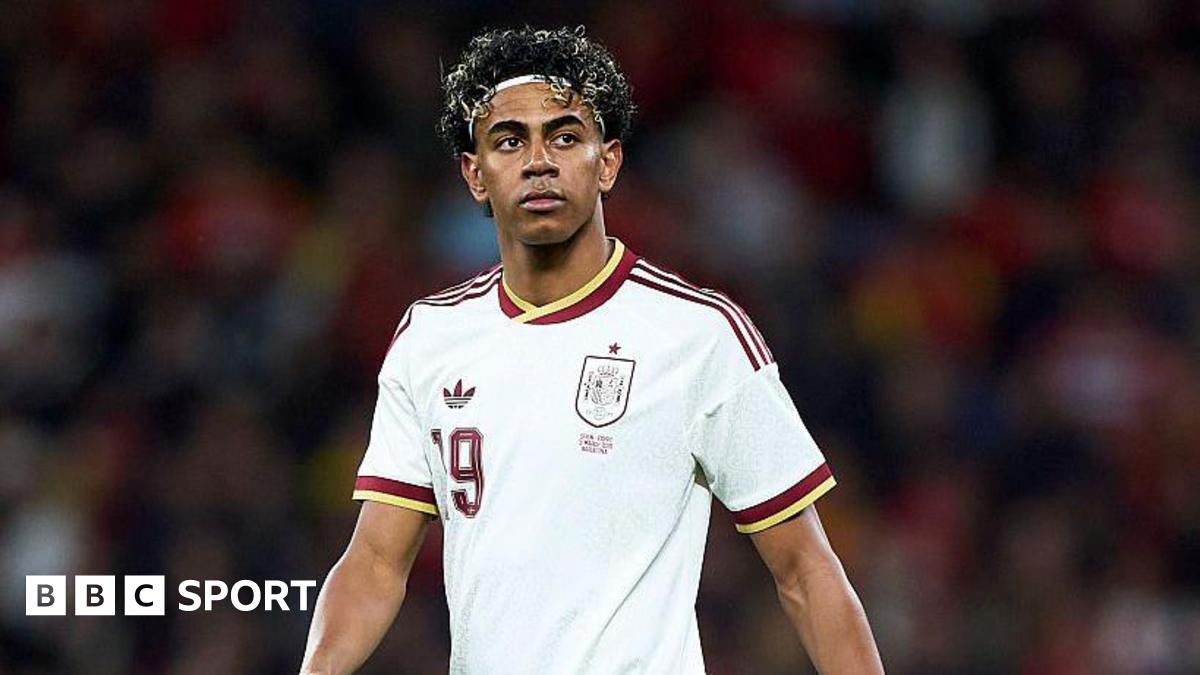
Lamine Yamal, an 18-year-old rising star for Spain and a practicing Muslim, addressed the incident on Instagram, stating: “I know it was directed at the opposing team and wasn’t personal against me, but as a Muslim, it’s still disrespectful and intolerable.” He criticized the chants as ignorant and racist, emphasizing that football should be a space for unity, not bigotry.
Global Context: Racism in Football Persists
This incident is not isolated. Across Europe, football has struggled with racism, from monkey chants directed at Black players in Italy to anti-Semitic banners in Poland. Spain, in particular, has faced repeated scrutiny over fan behavior, with high-profile cases involving players like Vinícius Júnior of Real Madrid, who has been subjected to racial abuse multiple times.
FIFA and UEFA have implemented anti-racism protocols, including stadium bans and fines, but critics argue enforcement remains inconsistent. The latest incident in Barcelona underscores the challenge: despite awareness campaigns and stricter regulations, discriminatory behavior persists in stadiums worldwide.
Why This Matters: A Test for Football’s Governing Bodies
The fallout from this match extends beyond Spain. With the 2026 World Cup approaching—co-hosted by the U.S., Canada, and Mexico—football’s governing bodies face mounting pressure to address racism decisively. If fans continue to believe they can act with impunity, the sport risks alienating players and fans alike.
Moreover, the incident has broader societal implications. In an era of rising far-right movements and anti-immigrant sentiment across Europe, football stadiums have become flashpoints for cultural and political tensions. When racism goes unchecked in sports, it normalizes intolerance in wider society.
Player Reactions and Next Steps
Yamal’s public condemnation adds to a growing chorus of athletes speaking out against discrimination. His stance is particularly significant given his youth and rising profile—his performances were instrumental in Spain’s Euro 2024 victory, making him a role model for young fans.
Spanish authorities have vowed to identify and punish those responsible, but real change will require more than reactive measures. Clubs and federations must invest in education, stricter penalties, and proactive monitoring to prevent such incidents before they occur.
Conclusion: Football Must Choose Its Future
The events in Barcelona serve as a grim reminder that racism remains embedded in football culture. While the sport has made strides in diversity and inclusion, Tuesday’s chants prove that progress is fragile. If football is truly a global game, it must be a force for unity—not a platform for hate. The choices made now—by fans, officials, and governing bodies—will determine whether the sport rises above its darkest impulses or continues to be shadowed by them. The world is watching.
