


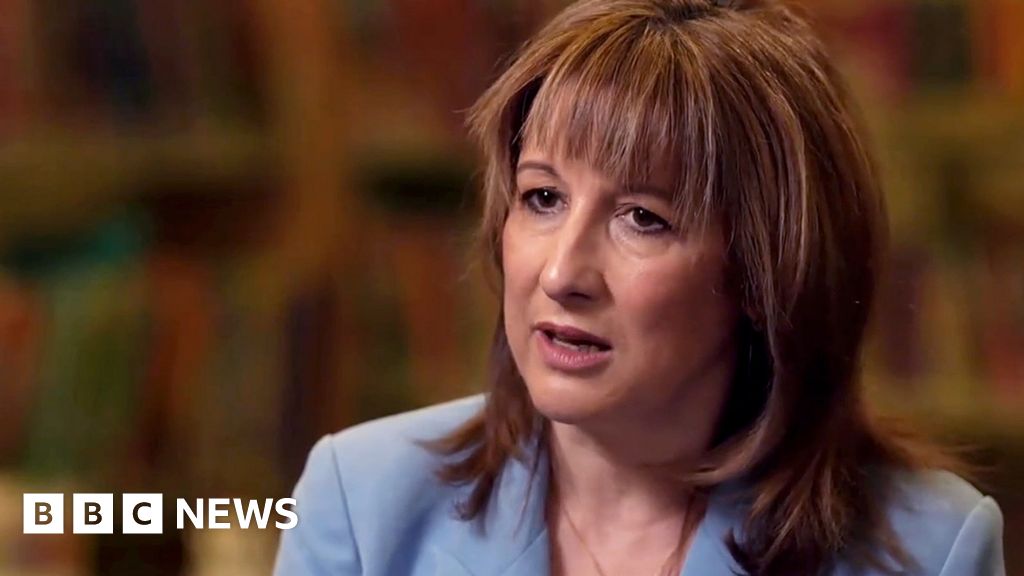

UK Chancellor Signals Delayed Economic Support Amid Rising Concerns
LONDON — The UK Chancellor has stated that it is “too early” to determine the specific recipients of potential economic assistance, while hinting that any relief measures may not be implemented until the autumn. This announcement comes as households and businesses across the country grapple with soaring inflation, energy costs, and economic uncertainty.
The Chancellor’s comments, delivered during a recent briefing, have ignited debate over the government’s preparedness to address the escalating cost-of-living crisis. With inflation hovering near multi-decade highs and energy prices expected to rise further, many are calling for urgent intervention to alleviate the financial strain on families and industries.
Context of the Crisis
The UK economy has faced significant challenges in recent months, driven by global supply chain disruptions, the aftermath of the COVID-19 pandemic, and the ongoing conflict in Ukraine. Rising energy costs, in particular, have placed immense pressure on consumers and businesses alike. The energy price cap is set to increase again in October, potentially pushing millions more households into fuel poverty.
While the government has previously introduced measures such as the Energy Price Guarantee and cost-of-living payments, critics argue that these initiatives are insufficient to address the scale of the crisis. Calls for targeted support, including expanded subsidies for low-income households and small businesses, have grown louder in recent weeks.
Chancellor’s Cautious Approach
The Chancellor’s reluctance to commit to immediate aid has drawn mixed reactions. Supporters argue that a measured approach allows for careful consideration of the most effective strategies, particularly given the volatile economic landscape. However, opponents warn that delays could exacerbate hardship for vulnerable groups.
“The priority is to ensure that any support we provide is both sustainable and impactful,” the Chancellor stated. “We are closely monitoring the situation and will act decisively when the time is right.”
The autumn timeline suggested by the Chancellor aligns with the next fiscal review, raising speculation that the government may unveil a comprehensive package of measures during this period. Potential options include direct cash transfers, tax cuts, or targeted subsidies for energy bills.
Why It Matters
The timing and scope of economic support are critical as millions of households face difficult choices in managing their finances. Charities and advocacy groups have warned that delays in aid could lead to increased food insecurity, rising debt levels, and even homelessness for some families.
Small businesses, too, are feeling the pinch. Many are struggling to absorb higher operating costs, with some already forced to close their doors. Immediate relief for this sector could help preserve jobs and stabilize the economy.
Political and Public Reactions
The Chancellor’s announcement has sparked a flurry of responses from political leaders, economists, and the public. Opposition parties have accused the government of being “out of touch” with the struggles of ordinary citizens and have called for an emergency budget to address the crisis.
“Families cannot wait until autumn for help,” said the leader of the Labour Party. “The government must act now to prevent further hardship.”
Public sentiment is similarly divided. While some appreciate the cautious approach, others express frustration over what they perceive as a lack of urgency. Social media platforms have been flooded with appeals for immediate action, with hashtags like #SupportNow trending nationwide.
Future Implications
The delay in announcing specific support measures raises questions about the government’s ability to navigate the economic challenges ahead. As global uncertainties persist, the UK’s response to the cost-of-living crisis will likely shape its economic trajectory in the coming years.
Moreover, the timing of potential aid could have significant political ramifications. With a general election on the horizon, the government’s handling of this crisis may influence voter perceptions and priorities.
For now, all eyes remain on the Chancellor and the Treasury as they weigh their next steps. The autumn fiscal review will be a pivotal moment, offering clarity on how the government intends to support its citizens during these turbulent times.
As households and businesses brace for the months ahead, one thing is clear: the need for decisive and timely action has never been greater. The Chancellor’s cautious approach may provide strategic benefits, but the rising tide of economic anxiety underscores the urgency of addressing the crisis head-on.
