


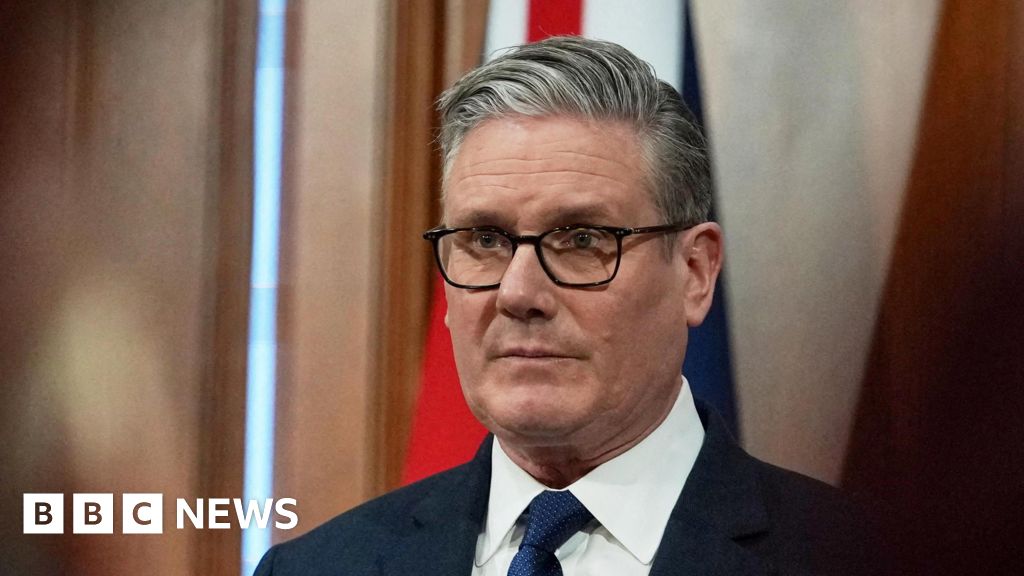

UK Prime Minister Addresses Iran Crisis and Cost-of-Living Pressures in Downing Street Briefing
LONDON — In a pivotal address from Downing Street, the UK Prime Minister delivered a sweeping statement on the escalating conflict involving Iran and the ongoing domestic cost-of-living crisis. The dual focus of the briefing underscored the government’s commitment to addressing both international instability and pressing economic challenges at home.
The Prime Minister’s remarks came amid heightened tensions in the Middle East, where Iran’s actions have significantly destabilized the region. He emphasized the UK’s stance on de-escalation, calling for multilateral diplomatic efforts to prevent further conflict. “The United Kingdom remains steadfast in its support for peace and stability in the Middle East,” he stated. “We urge all parties to exercise restraint and engage in dialogue to resolve differences.”
The Prime Minister’s comments followed recent provocations by Iran, including military maneuvers and proxy activities that have drawn international condemnation. The UK has been actively coordinating with NATO allies and regional partners to mitigate risks, particularly as the conflict threatens global energy supplies and economic stability. Analysts warn that further escalation could exacerbate inflationary pressures worldwide, compounding existing economic woes.
Domestically, the Prime Minister outlined a three-pronged strategy to alleviate cost-of-living pressures, which have left millions of households struggling with rising food, energy, and housing costs. He announced immediate measures to cap energy bills, increase targeted financial support for low-income families, and accelerate the rollout of renewable energy projects to reduce long-term dependency on volatile global markets.
“The cost-of-living crisis is a priority for this government,” he said. “We recognize the immense strain on families and businesses, and we are taking decisive action to provide relief.”
The announcement was met with mixed reactions. While some praised the government’s responsiveness, critics argued that the measures fell short of addressing systemic issues such as wage stagnation and housing affordability. Opposition leaders called for broader reforms, including higher taxes on corporations and increased investment in public services.
The Prime Minister also reiterated the UK’s commitment to supporting Ukraine amidst its ongoing conflict with Russia, highlighting the interconnected nature of global security and economic stability. “The war in Ukraine has reminded us that peace and prosperity are indivisible,” he said. “We must stand firm against aggression and uphold the principles of international law.”
The briefing underscored the delicate balance the UK government must strike between addressing immediate domestic concerns and fulfilling its role on the global stage. With a general election looming, the Prime Minister’s ability to navigate these dual priorities will be closely scrutinized by voters and political analysts alike.
Looking ahead, the Prime Minister’s calls for diplomacy in Iran and his cost-of-living measures signal a proactive approach to governance. However, their effectiveness remains uncertain. The Middle East conflict could escalate further, potentially drawing the UK into a broader geopolitical crisis. Meanwhile, the success of domestic policies will hinge on their implementation and public perception.
As the UK navigates these complex challenges, the Prime Minister’s leadership will be tested on multiple fronts. His ability to deliver tangible results—both at home and abroad—will shape the nation’s trajectory in the months to come.
