


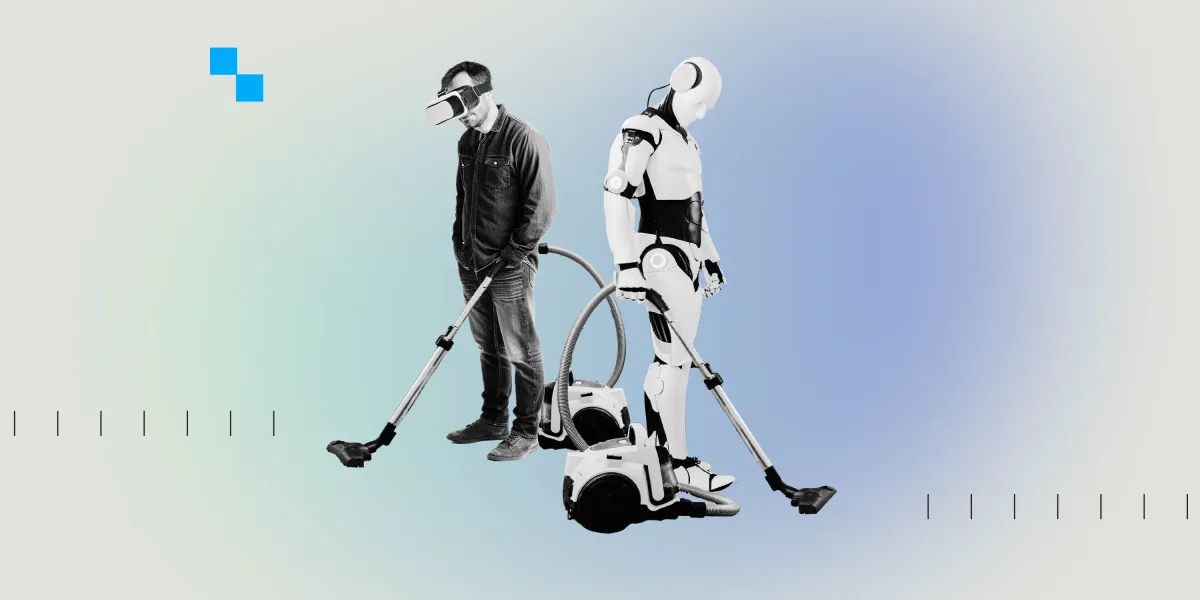

The Global Race to Train Humanoid Robots: A New Gig Economy Emerges Amid Privacy Concerns
In the bustling streets of Lagos, Nigeria, Zeus spends hours meticulously recording his daily movements—how he lifts objects, walks, and interacts with his environment. His employer, Micro1, doesn’t manufacture goods or provide traditional services. Instead, it collects data from thousands of workers like Zeus across more than 50 countries, selling it to robotics companies racing to build the next generation of humanoid robots. This burgeoning gig economy is reshaping how artificial intelligence (AI) is trained, but it also raises pressing ethical questions about privacy, consent, and the human cost of technological progress.
The Data Gold Rush for Humanoid Robots
Humanoid robots, once the stuff of science fiction, are now at the forefront of technological innovation. Companies like Tesla, Boston Dynamics, and SoftBank are investing billions to create robots that can perform tasks traditionally done by humans, from warehouse labor to elderly care. The challenge, however, lies in programming these machines to move and behave like humans. Enter Micro1, a data firm that has tapped into a global workforce to gather the crucial datasets needed to train these robots.
Workers like Zeus are paid to record their actions using specialized wearable devices or cameras, capturing everything from how they pick up a cup to how they navigate crowded spaces. These videos and motion data are then sold to robotics firms, where they are used to train AI algorithms. The demand for such data has skyrocketed as companies compete to develop robots capable of seamless human-like interactions. According to industry analysts, the global humanoid robot market is projected to reach $150 billion by 2030, fueled by advancements in AI, machine learning, and robotics.
A Global Workforce in the Spotlight
Micro1’s business model relies on a vast, decentralized workforce spread across countries in Asia, Africa, and Latin America. Workers are recruited in nations like India, Nigeria, and Argentina, where the pay—often considered generous by local standards—has attracted thousands to the gig. For many, this represents a rare opportunity to earn a living wage in regions plagued by unemployment and economic instability.
Yet the job is far from ordinary. Workers must perform repetitive tasks, sometimes for hours on end, while being filmed or monitored. The nature of the work has led some to describe it as both challenging and surreal. “It’s strange knowing that my movements are being watched by machines,” says Zeus, who requested anonymity. “But the pay is good, and it’s helping me support my family.”
Ethical Concerns Loom Large
While the economic benefits are undeniable, the practice has sparked heated debates among ethicists, privacy advocates, and policymakers. Critics argue that the data collection process often lacks transparency, leaving workers unaware of how their information will be used or who will ultimately have access to it. Questions surrounding informed consent have also surfaced, with many employees reportedly signing vague contracts that give companies broad rights to their data.
Privacy is another major concern. The videos and motion data captured by workers could potentially be used to identify individuals, especially in densely populated urban areas. “This raises serious questions about surveillance and the commodification of human behavior,” says Dr. Angela Aristidou, a professor at University College London and faculty fellow at the Stanford Digital Economy Lab. “We need to ensure that these workers are not exploited and that their data is handled responsibly.”
The Broken Benchmarks of AI
As the demand for humanoid robots grows, so too does the debate over how AI systems are evaluated. For decades, AI has been benchmarked based on its ability to outperform humans in isolated tasks, such as playing chess or recognizing images. However, real-world applications are far more complex, involving dynamic, multi-person environments that require adaptability and contextual understanding.
According to Aristidou, the current benchmarks fail to capture the nuanced ways in which AI interacts with humans in practical settings. “AI operates in messy, unpredictable environments,” she explains. “We need new evaluation methods that assess its performance over longer timeframes and within diverse human teams.” Aristidou and her colleagues have proposed a novel approach called “Human–AI, Context-Specific Evaluation,” which aims to measure AI’s impact within specific workflows and organizational structures.
Balancing Innovation and Ethics
The rise of humanoid robots represents a significant leap forward in AI and robotics, but it also underscores the need for robust ethical frameworks. Policymakers, industry leaders, and researchers must work together to address the ethical dilemmas posed by this new frontier. This includes ensuring that workers are fairly compensated, that data collection practices are transparent, and that AI systems are evaluated in ways that reflect their real-world applications.
For now, the gig economy driving this technological revolution remains a double-edged sword. It offers economic opportunities to thousands while raising profound questions about privacy, consent, and the equitable distribution of technological benefits. As Zeus and his counterparts continue to train the robots of tomorrow, the world watches closely, grappling with the promise and perils of this transformative industry.
In the race to build humanoid robots, the line between innovation and exploitation has never been thinner. How society navigates this delicate balance will shape the future of AI—and humanity itself.
