


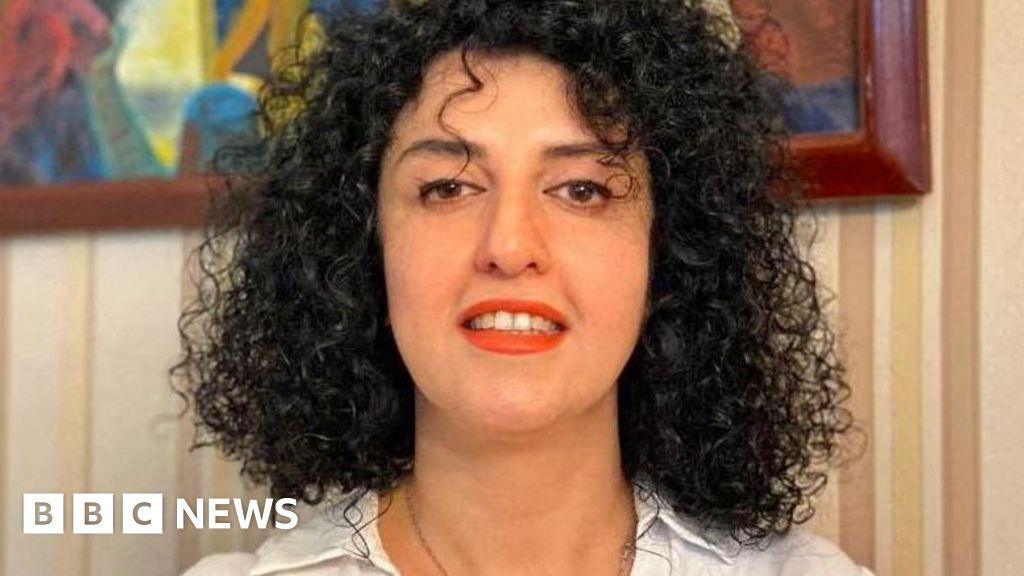

Nobel Laureate Narges Mohammadi’s Health in Peril as Family Fears Imminent Danger
A Desperate Plea for Help
The family of imprisoned Nobel Peace Prize laureate Narges Mohammadi has issued an urgent warning: her health is rapidly deteriorating, and without immediate medical intervention, her life may be at risk. Mohammadi, a prominent Iranian human rights activist, has been held in Tehran’s notorious Evin Prison for years, enduring harsh conditions that have severely impacted her well-being. Now, her brother warns that she urgently needs hospitalization—a demand Iranian authorities have so far ignored.
The situation underscores the Iranian regime’s relentless crackdown on dissent, even against globally recognized figures. With tensions already high amid regional conflicts and domestic unrest, Mohammadi’s plight raises fresh concerns about Iran’s treatment of political prisoners and the international community’s ability—or willingness—to intervene.
Who Is Narges Mohammadi?
Narges Mohammadi, 51, is one of Iran’s most outspoken activists, campaigning for women’s rights, abolition of the death penalty, and democratic reforms. A physicist by training, she has spent much of her life in and out of prison, facing repeated arrests since the late 2000s. In 2023, she was awarded the Nobel Peace Prize for her “fight against the oppression of women in Iran,” a recognition that amplified her voice but did little to shield her from persecution.
Currently serving a 10-year sentence on charges of “spreading propaganda against the state,” Mohammadi has continued advocating for prisoners’ rights from behind bars, organizing protests and smuggling out letters detailing abuses. Her resilience has made her a symbol of resistance, but it has also made her a prime target for retaliation.
A Health Crisis Behind Bars
Mohammadi suffers from multiple chronic conditions, including a heart ailment and lung disease, exacerbated by years of medical neglect in prison. Reports indicate she has experienced severe heart palpitations and breathing difficulties, symptoms consistent with past health crises that previously forced brief hospital transfers.
Her family says prison officials have repeatedly denied her adequate care, dismissing her symptoms as “exaggerated.” With no access to independent doctors, her condition remains unchecked—a pattern seen with other political detainees in Iran, where medical withholding is a well-documented tactic to pressure prisoners.
Global Reactions and Diplomatic Pressure
Mohammadi’s case has drawn condemnation from human rights groups and Western governments. The UN High Commissioner for Human Rights has called for her release, while the EU and US have imposed sanctions on Iranian officials linked to prisoner abuses. Yet, Tehran remains unmoved, dismissing external criticism as interference.
The timing is critical. Iran faces escalating scrutiny over its crackdown on protests, nuclear ambitions, and regional proxy conflicts. Mohammadi’s deteriorating health tests the limits of global diplomacy—will her Nobel status compel stronger action, or will she become another casualty of Iran’s impunity?
Why This Matters Beyond Iran
Mohammadi’s struggle is not just about one woman’s survival; it reflects a broader battle for human rights in authoritarian regimes. Her treatment signals how far Iran will go to silence critics, even under global spotlight. If a Nobel laureate can be denied basic medical care, what hope remains for lesser-known detainees?
Moreover, her case intersects with geopolitical tensions. Western nations face mounting pressure to leverage economic and diplomatic tools to secure her release, but with negotiations over Iran’s nuclear program stalled, prospects for cooperation appear bleak.
A Race Against Time
As Mohammadi’s health declines, the window to act narrows. History shows that Iranian authorities have delayed critical care until it is too late—a fate her family is desperate to avoid. International bodies and foreign governments must decide whether to escalate demands or risk another tragedy in Iran’s prisons.
Narges Mohammadi’s courage has inspired millions, but her fate now hinges on whether the world can translate admiration into action. If silence prevails, the message to authoritarian regimes will be clear: even the most revered voices can be crushed without consequence.
For now, the world watches—and waits.
