



Iran’s Unrest Deepens: Nationwide Strikes and Economic Despair Fuel Public Anger
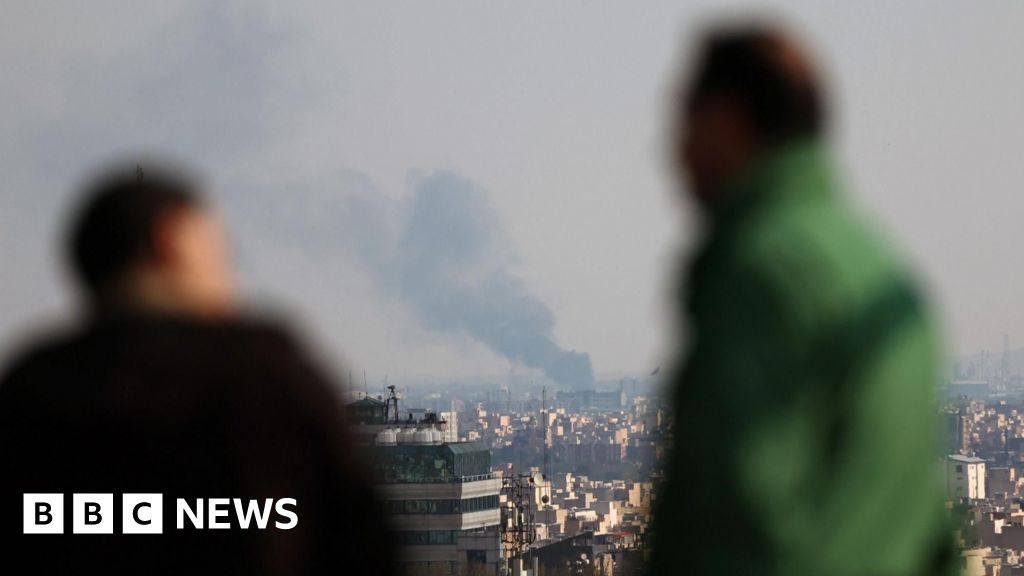
Tehran, Iran – The streets of Iran have become a battleground of frustration. From the bustling bazaars of Tehran to the industrial heartlands of Isfahan, ordinary citizens are risking arrest, violence, and economic ruin to voice their dissent. What began as scattered protests over economic hardship has now snowballed into a nationwide movement, with strikes paralyzing businesses, universities, and transport networks. The government, already struggling under international sanctions and internal mismanagement, faces its most serious challenge in years—one that could reshape the region’s fragile geopolitical balance.
A Nation on the Edge: Strikes Spread Amid Economic Collapse
Iran’s economy, battered by years of U.S. sanctions, corruption, and inflation exceeding 40%, has pushed millions into poverty. Workers in key sectors—oil, manufacturing, and education—have walked off the job, demanding unpaid wages and protesting skyrocketing prices. In the southern city of Ahvaz, a hub for Iran’s vital energy industry, refinery workers staged a rare strike last week, a bold move in a sector tightly controlled by the Revolutionary Guards.
“We haven’t been paid in months,” said one Ahvaz worker, speaking on condition of anonymity for fear of reprisals. “Our children are hungry, and the government only gives us empty promises.” Similar grievances echo across the country, from truck drivers blocking highways to teachers holding sit-ins outside government offices.
The Shadow of Repression: Fear and Defiance
The Iranian regime has a long history of crushing dissent, but this time, the crackdown appears to be fueling rather than extinguishing unrest. Security forces have deployed in force, arresting hundreds and using live ammunition in some cases, according to human rights groups. Yet, despite the risks, protesters are adapting—organizing through encrypted apps, staging flash mobs, and even targeting symbols of regime power, such as banks affiliated with the Revolutionary Guards.
“People are angrier now because they have nothing left to lose,” said a Tehran-based activist connected to labor unions. “The fear is still there, but it’s being outweighed by desperation.”
Global Implications: A Crisis With Regional Repercussions
Iran’s instability sends shockwaves far beyond its borders. The country is a linchpin in Middle Eastern geopolitics, with its proxy networks stretching from Yemen to Lebanon. A weakened Tehran could embolden rivals like Saudi Arabia and Israel, while further disrupting global energy markets. Oil prices have already ticked upward amid fears that unrest could disrupt Iran’s crude exports, which have been a lifeline for China and other sanctions-busting buyers.
Western governments are watching closely. The Biden administration, while publicly supporting Iranian protesters, remains cautious—aware that overt intervention could backfire. Meanwhile, European leaders fear a new refugee crisis if the situation deteriorates.
Why This Matters: A Test for Authoritarian Resilience
Iran’s turmoil is part of a broader trend. From Belarus to Myanmar, authoritarian regimes are facing unprecedented pushback from citizens weary of corruption and economic stagnation. If Iran’s government falters, it could inspire similar movements elsewhere. Conversely, if it survives through brute force, it may reinforce a dangerous precedent: that repression works.
For now, the outcome remains uncertain. But one thing is clear—the Iranian people, long silenced, are finding their voice again. And the world is listening.
As the sun sets over Tehran, the echoes of protest still linger in the air. Whether this uprising will force change or be crushed like so many before it, the stakes could not be higher—for Iran, and for a world grappling with the limits of authoritarian rule.
