



Liberal Democrat Leader Proposes Transport Support Package to Mitigate Iran War Impact
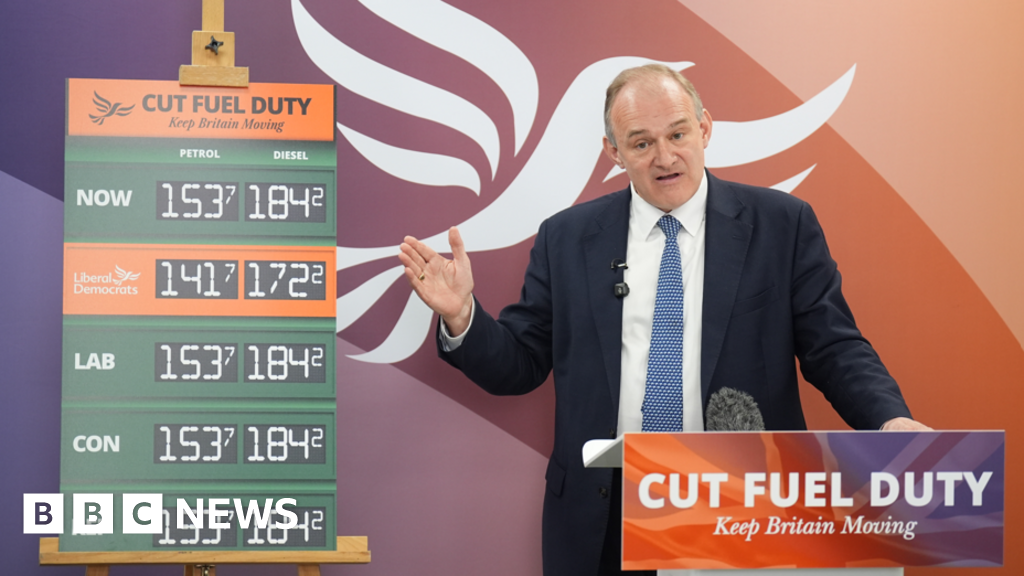
The leader of the Liberal Democrats has unveiled a comprehensive transport support package aimed at alleviating the economic and social disruptions caused by the ongoing conflict in Iran. Speaking at a press conference earlier today, Sir Ed Davey emphasized the urgent need for targeted interventions to shield UK households and businesses from the ripple effects of the war, particularly its impact on global energy markets and transportation costs.
The proposed measures include subsidies for public transportation, incentives for green energy-powered vehicles, and support for logistics companies hit by rising fuel prices. The plan also outlines temporary fuel tax cuts to ease the burden on commuters and freight operators. Sir Ed warned that without immediate action, the UK could face prolonged economic strain as the conflict in Iran continues to destabilize global trade routes and escalate oil prices.
Context of the Crisis
The war in Iran, which began earlier this year, has sent shockwaves through the global economy. As one of the world’s largest oil producers, Iran’s involvement in the conflict has led to significant disruptions in energy supplies, driving up fuel costs worldwide. The UK, heavily reliant on imported energy, has felt the impact acutely, with petrol and diesel prices reaching record highs.
Transportation, a sector inherently tied to fuel costs, has borne the brunt of the crisis. Rising operational expenses have forced logistics companies to increase shipping fees, while public transport operators have warned of potential fare hikes. Commuters, already grappling with the cost-of-living crisis, now face additional financial pressure as driving and commuting become more expensive.
Sir Ed Davey’s proposal seeks to address these challenges head-on. “The war in Iran is not just a distant geopolitical issue—it’s hitting British families and businesses hard,” he said. “We cannot afford to sit back and hope the situation resolves itself. Our transport support package is a pragmatic response to an urgent problem.”
Key Components of the Proposal
The Liberal Democrat leader’s plan focuses on three main areas:
-
Public Transport Subsidies: The package includes a £500 million fund to subsidize public transport fares across the UK. This initiative aims to encourage commuters to opt for greener, more affordable travel options, reducing reliance on private vehicles.
-
Fuel Tax Cuts: A temporary 5p per liter reduction in fuel duty would provide immediate relief to motorists and freight operators. The measure is expected to remain in place for at least six months, subject to review based on global fuel market conditions.
-
Green Transport Incentives: The proposal introduces grants for businesses and individuals transitioning to electric or hybrid vehicles. Additionally, funding would be allocated to expand the UK’s electric vehicle charging infrastructure, addressing one of the key barriers to adoption.
Political and Economic Implications
The announcement has sparked a mixed reaction across the political spectrum. While some have praised the Liberal Democrats for their proactive approach, others have questioned the feasibility of the proposed measures. Critics argue that the subsidies and tax cuts could strain public finances, already stretched thin by the ongoing cost-of-living crisis.
Economists, however, have largely welcomed the plan. Dr. Emma Carter, a senior lecturer in economics at the University of Warwick, noted, “Targeted interventions like these can help cushion the economic blow of external shocks. The transport sector is a key pillar of the UK economy, and stabilizing it is crucial for maintaining overall economic resilience.”
The proposal also underscores the growing importance of energy security in political discourse. With the war in Iran highlighting the vulnerabilities of fossil fuel dependency, policymakers are increasingly focusing on transitioning to renewable energy sources. Sir Ed Davey’s emphasis on green transport incentives aligns with this broader trend, positioning the Liberal Democrats as advocates for sustainability.
Broader Impact on the UK
The war in Iran has far-reaching consequences beyond fuel prices. Disruptions to global shipping routes have led to delays in the delivery of goods, exacerbating supply chain issues and contributing to inflation. The transport support package could help mitigate some of these effects by reducing costs for logistics companies and ensuring smoother operations.
For households, the proposed measures could provide much-needed relief. With energy bills already at historic highs, many families are struggling to make ends meet. Cheaper public transport and fuel tax cuts could free up disposable income, boosting consumer spending and supporting economic recovery.
Looking Ahead
The Liberal Democrat leader’s proposal comes at a critical juncture, as UK policymakers grapple with the dual challenges of geopolitical instability and domestic economic pressures. While the transport support package offers a potential lifeline, its success will depend on swift implementation and effective coordination between government agencies and private sector stakeholders.
As the war in Iran shows no signs of abating, the UK’s ability to adapt to the evolving global landscape will be tested. Sir Ed Davey’s plan highlights the need for innovative solutions to safeguard the economy and protect vulnerable populations.
In the coming weeks, the proposal is expected to be debated in Parliament, with cross-party support likely to play a decisive role in its fate. For now, the Liberal Democrats have set the stage for a broader conversation about resilience, sustainability, and the UK’s place in an increasingly uncertain world.
