



Global Oil Markets Under Strain: Physical Demand Outpaces Futures as Supply Pressures Mount
By [Your Name]
A Growing Divide Between Paper and Physical Oil Markets
The global oil market is facing unprecedented stress as a widening gap emerges between futures contracts and the surging demand for physical crude. While benchmark oil prices have shown relative stability in financial markets, the scramble for immediate supply has sent physical cargo prices skyrocketing, signaling deeper structural pressures in the energy sector. Analysts warn that this disconnect could foreshadow further volatility, with geopolitical tensions, refining bottlenecks, and shrinking inventories exacerbating the strain.
Paul Sankey, president of Sankey Research, highlights the growing disparity: “The market is telling us two different stories. Futures suggest calm, but the physical market is screaming tight supply. This isn’t just a temporary imbalance—it’s a symptom of deeper systemic issues.”
Why Physical Oil Prices Are Surging
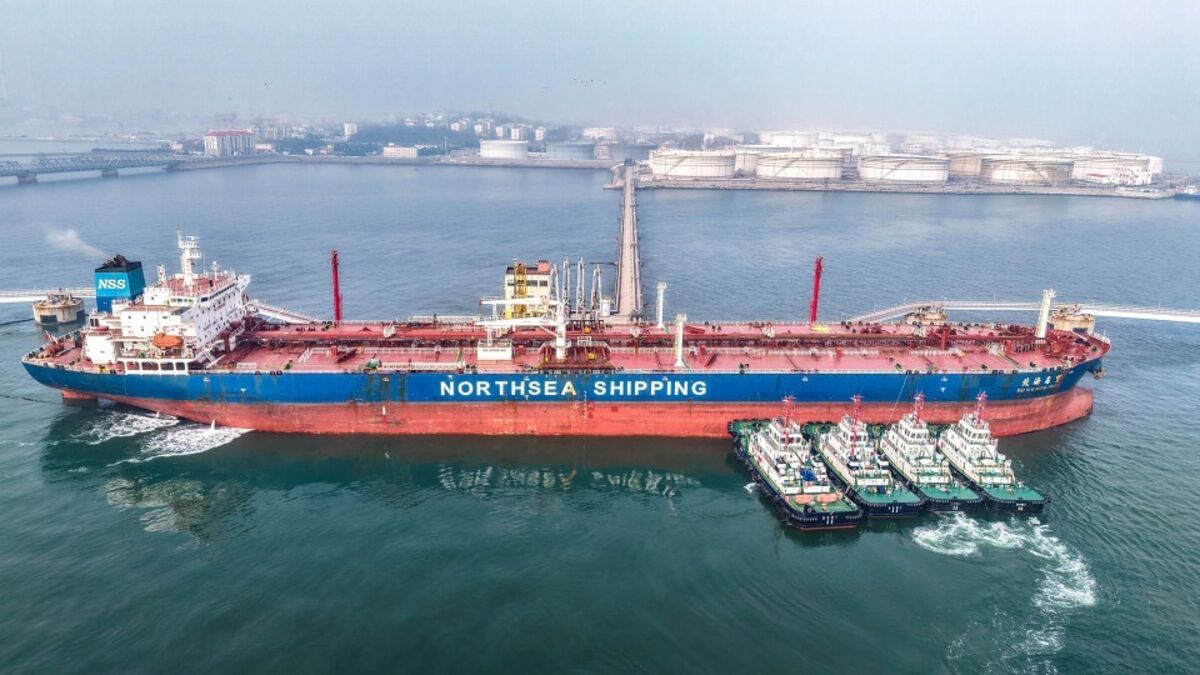
Unlike futures contracts—which trade on financial exchanges and reflect long-term price expectations—physical oil refers to actual barrels ready for immediate delivery. Recent months have seen a sharp divergence between the two, driven by several key factors:
-
Geopolitical Disruptions – Ongoing conflicts in the Middle East, coupled with Western sanctions on Russian oil, have constrained supply chains. Attacks on shipping in the Red Sea and drone strikes on Russian refineries have further tightened availability.
-
Refining Bottlenecks – Many refineries, particularly in the U.S. and Europe, are running near full capacity but struggling to meet demand for diesel and jet fuel. Maintenance shutdowns and underinvestment in new facilities have compounded delays.
-
Inventory Drawdowns – Global crude stockpiles have dwindled after years of restrained production by OPEC+ and post-pandemic demand recovery. The U.S. Strategic Petroleum Reserve (SPR), once a buffer, remains depleted after emergency releases in 2022.
-
Speculative Trading vs. Real Demand – Financial traders often influence futures prices, but end-users—such as airlines, shipping firms, and manufacturers—must secure physical supply at any cost, driving spot prices higher.
Market Reactions and Industry Warnings
The Brent crude benchmark, hovering around $85 per barrel in futures trading, masks the reality that some physical grades are trading at premiums of $5–$10 above that. For example, Nigeria’s Bonny Light and Iraq’s Basrah Heavy have seen steep price hikes due to urgent buying from Asia and Europe.
Energy analysts caution that if this trend persists, consumers could face another wave of fuel inflation. “The physical market doesn’t lie,” says Sankey. “When buyers are willing to pay premiums just to get their hands on oil today, it’s a clear signal that the system is under stress.”
The International Energy Agency (IEA) has also flagged concerns, revising its 2024 demand forecast upward amid stronger-than-expected consumption in emerging markets. Meanwhile, OPEC+ continues to withhold roughly 2 million barrels per day (bpd) of production, citing market stability—a move critics argue is worsening the crunch.
Broader Economic Implications
The oil squeeze threatens to reignite inflationary pressures just as central banks attempt to ease monetary policy. Higher fuel costs ripple through transportation, manufacturing, and food prices, complicating efforts to stabilize economies.
In Europe, where energy security remains fragile after the Russia-Ukraine war, governments are closely monitoring diesel supplies ahead of winter. In Asia, China’s industrial rebound and India’s booming demand are intensifying competition for available cargoes.
For the U.S., the situation presents a dilemma: domestic shale production has plateaued, and further SPR releases may not be politically viable ahead of elections. Gasoline prices, a key voter concern, are already creeping upward.
What Comes Next?
Market watchers see few quick fixes. New production from non-OPEC nations like Guyana and Brazil will take time to scale, while renewable energy transitions remain years away from offsetting fossil fuel dependence. In the near term, traders expect volatility to persist—especially if supply shocks hit.
“The oil market is walking a tightrope,” says Sankey. “One major disruption could send prices spiking, but until then, the tension between futures and physical markets will keep everyone on edge.”
As the world navigates this precarious balance, one thing is clear: the era of cheap and abundant oil is over, and the global economy must adapt.
