



Federal Reserve Investigation Halted as Justice Department Suffers Legal Setback
In a significant legal blow to the U.S. Justice Department, a federal court has barred prosecutors from continuing an investigation into alleged cost overruns tied to a major building renovation project at the Federal Reserve. The decision, which could have far-reaching implications for federal oversight and accountability, sets the stage for a potential Supreme Court showdown over the boundaries of government investigations into its own institutions.
The ruling, handed down by a lower federal court, marks a pivotal moment in a years-long dispute that has pitted the Justice Department against one of the nation’s most powerful and independent financial institutions. At the heart of the case is a controversial renovation project at the Federal Reserve’s headquarters in Washington, D.C., which reportedly ballooned in cost by hundreds of millions of dollars. The Justice Department had sought to probe whether mismanagement or misconduct contributed to the overruns, but the Federal Reserve argued such an investigation would infringe on its autonomy and disrupt its operations.
The court’s decision to halt the investigation underscores the delicate balance between government oversight and the independence of federal institutions like the Federal Reserve. With the Justice Department now preparing to appeal, legal experts warn the case could become a landmark test of the separation of powers and the limits of federal investigative authority.
The Genesis of the Dispute
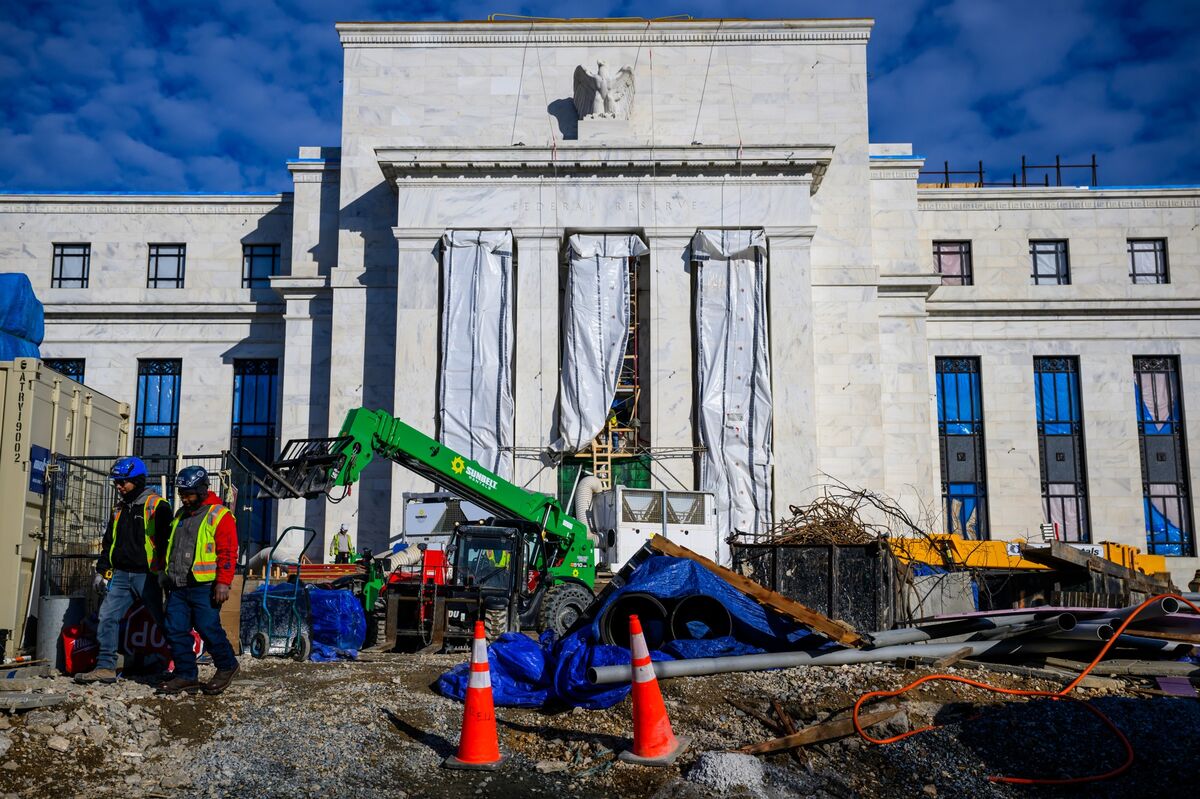
The controversy stems from a multiyear renovation project at the Federal Reserve’s Eccles Building, which houses the central bank’s headquarters. Originally budgeted at $1.2 billion, the project’s costs reportedly soared to nearly $2 billion, sparking scrutiny from lawmakers and watchdog groups. Critics have questioned whether the Fed mismanaged procurement processes or failed to adequately oversee contractors, raising concerns about the potential misuse of public funds.
In 2021, the Justice Department launched an investigation into the overruns, seeking to determine whether any federal laws were violated. The probe was seen as part of broader efforts by the Biden administration to enhance accountability in government spending, particularly in large-scale infrastructure projects. However, the Federal Reserve challenged the investigation, arguing that it overstepped the Justice Department’s authority and threatened the central bank’s operational independence.
The Fed’s pushback highlights the unique status of the institution, which operates as an independent entity within the federal government. Unlike other agencies, the Federal Reserve is designed to be shielded from political pressures to ensure its decisions on monetary policy and financial stability remain impartial. The central bank contended that allowing the Justice Department to delve into its internal operations could set a dangerous precedent, potentially opening the door to politicized interference.
The Legal Battle
The dispute escalated into a legal battle when the Federal Reserve filed a motion to block the Justice Department’s investigation. In its ruling, the court sided with the Fed, citing concerns that the probe could disrupt its ability to carry out its critical functions. The court also noted that the Justice Department had failed to demonstrate a compelling reason to override the Fed’s independence in this case.
Legal experts have described the decision as a significant win for the Federal Reserve, reinforcing its status as an institution insulated from direct government oversight. However, the ruling has also sparked debate about the extent to which federal agencies should be held accountable for their spending decisions. Critics argue that shielding the Fed from scrutiny risks eroding public trust in government institutions, particularly in an era of heightened skepticism about transparency and accountability.
“This ruling raises important questions about who watches the watchers,” said Sarah Edwards, a professor of administrative law at Georgetown University. “While the Federal Reserve’s independence is crucial, it shouldn’t be a carte blanche to avoid accountability for how it spends taxpayer money.”
Implications for Federal Oversight
The court’s decision has broader implications for federal oversight and the relationship between government agencies. Historically, the Justice Department has been granted wide latitude to investigate potential wrongdoing across the federal government, including by independent agencies like the Federal Reserve. By curtailing this authority, the ruling could embolden other agencies to push back against investigations they perceive as intrusive.
The case also highlights the challenges of balancing independence with accountability in federal institutions. While the Federal Reserve’s autonomy is widely regarded as essential for maintaining economic stability, critics argue that it should not come at the expense of transparency. The renovation project’s cost overruns, for instance, have drawn criticism from lawmakers on both sides of the aisle, with some calling for greater congressional oversight of the Fed’s operations.
“This isn’t just about a building renovation—it’s about ensuring that taxpayer dollars are used responsibly,” said Sen. Elizabeth Warren (D-Mass.), a vocal critic of the Fed’s handling of the project. “No institution, no matter how independent, should be above scrutiny.”
The Road Ahead
With the Justice Department poised to appeal, the case is likely to make its way up the judicial ladder, potentially reaching the Supreme Court. Legal experts predict that the high court’s decision could establish a precedent for how independent agencies are investigated, shaping the future of federal oversight.
The appeal also raises questions about the Biden administration’s broader agenda to enhance accountability in government spending. If the Justice Department’s authority to investigate federal agencies is curtailed, it could complicate efforts to root out waste, fraud, and mismanagement across the government.
For now, the Federal Reserve has secured a reprieve, but the controversy surrounding its renovation project is far from resolved. As the legal battle unfolds, the case will continue to spark debate about the balance between independence and accountability in federal institutions—a debate that lies at the heart of democratic governance.
In a statement, the Justice Department said it remains “committed to ensuring accountability in federal spending” and is reviewing its options for moving forward. Meanwhile, the Federal Reserve has maintained that it is dedicated to upholding the highest standards of integrity and transparency in its operations.
As both sides prepare for the next phase of the legal battle, the case serves as a reminder of the complexities of governance in a modern democracy—where the pursuit of accountability must often contend with the demands of independence. The ultimate resolution will likely hinge on how courts interpret this delicate balance, shaping the future of federal oversight for years to come.
