



U.S. Airstrikes in the Middle East: A Gamble for Regional Stability
Washington, D.C. — In a bold move that has sent shockwaves across the globe, the United States has launched a series of precision airstrikes targeting militant groups in the Middle East. The White House has defended the operation, claiming it eliminates both immediate and long-term threats to regional security. Yet, the decision has sparked fierce debate, raising questions about its potential to stabilize—or further destabilize—a region already teetering on the edge of chaos.
The strikes, carried out over the past 24 hours, mark the latest chapter in America’s long-standing military involvement in the Middle East. As tensions simmer and global powers jockey for influence, the implications of this action ripple far beyond the deserts of Iraq and Syria.
The Operation and Its Objectives
According to U.S. officials, the airstrikes targeted facilities operated by Iranian-backed militias and other extremist groups responsible for recent attacks on American personnel and interests in the region. The Pentagon described the operation as “defensive and proportional,” emphasizing its focus on reducing threats to U.S. allies and regional stability.
“The United States is committed to safeguarding its citizens and partners,” a senior White House official stated. “By neutralizing these threats, we are making the entire region safer—not just for today, but for the foreseeable future.”
The strikes come amid escalating violence in the Middle East, where conflicts involving Iran, Israel, and various non-state actors have created a volatile environment. U.S. military intervention, while not new, carries significant weight given the current geopolitical climate.
Global Context: Why This Matters
The Middle East remains a crucible of global tension, with its vast oil reserves and strategic waterways making it a focal point for international powers. The region’s instability has far-reaching consequences, influencing everything from energy prices to migration patterns and global security.
Iran, a central player in the region, has long supported militias and armed groups across Iraq, Syria, Yemen, and Lebanon. These groups often act as proxies in Tehran’s broader strategy to counter U.S. and Israeli influence. The recent U.S. airstrikes are seen by some as a direct response to Iran’s expanding footprint in the region.
At the same time, the operation risks exacerbating tensions with Iran, which has already condemned the strikes as “reckless and provocative.” Any escalation in hostilities could derail ongoing diplomatic efforts, including negotiations over Iran’s nuclear program.
For global powers like China and Russia, the situation presents both challenges and opportunities. Beijing and Moscow have increasingly sought to deepen their ties with Tehran, viewing Iran as a counterweight to American dominance. A further deterioration of U.S.-Iran relations could complicate these dynamics, potentially drawing other nations into the fray.
The Human Cost
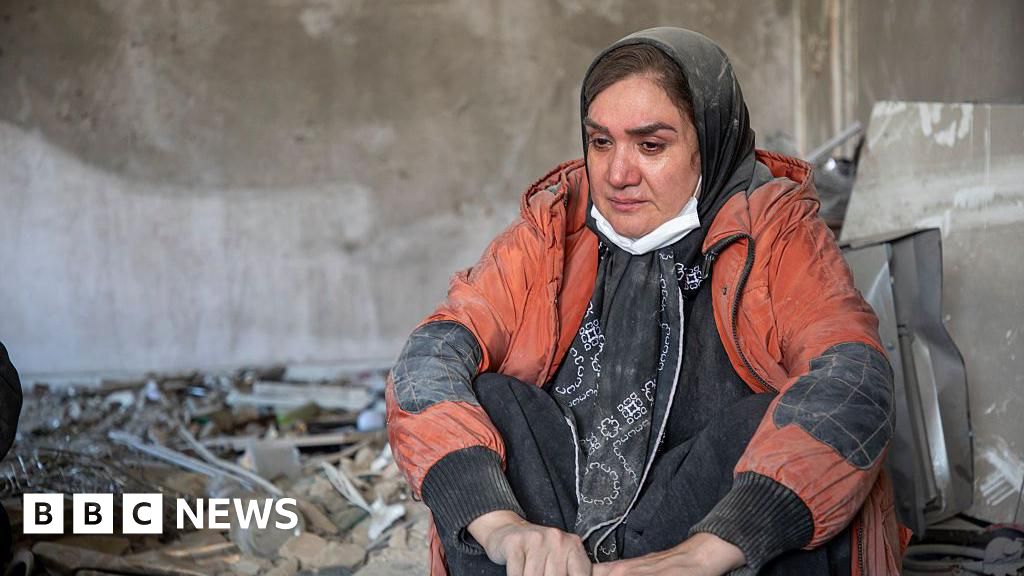
While the White House frames the operation as a necessary step for security, the human cost cannot be ignored. Local sources report civilian casualties in the aftermath of the strikes, raising concerns about the accuracy of U.S. intelligence and the proportionality of the response.
“These airstrikes may target militants, but they also destroy homes, livelihoods, and innocent lives,” said a Middle Eastern journalist on the ground. “For many here, the U.S. intervention feels like yet another chapter in a long history of foreign powers dictating our fate.”
The strikes also underscore the plight of millions living in conflict zones, where violence has become a daily reality. Humanitarian organizations warn that further military action could exacerbate displacement and strain already overwhelmed aid efforts.
Diplomatic Fallout
The U.S. operation has drawn mixed reactions from the international community. Key allies, including Israel and several Gulf states, have expressed support, viewing it as a necessary response to Iranian aggression. However, European nations have urged restraint, fearing that the strikes could spark a broader conflict.
“While we recognize the need to address security threats, military action must be balanced with diplomatic efforts,” said a spokesperson for the European Union. “Escalation benefits no one.”
Critics argue that the U.S. approach risks alienating regional partners and undermining long-term goals. “Military strikes can eliminate immediate threats, but they don’t address the root causes of conflict,” noted a Middle East analyst. “Without a comprehensive strategy, we’re just treating the symptoms, not the disease.”
A Fragile Future
As the dust settles, the question remains: Will these airstrikes achieve their stated goal of making the region safer, or will they ignite a new cycle of violence? The answer lies in the broader context of U.S. foreign policy and the actions of other key players.
For now, the Middle East remains a powder keg, with the potential to explode at any moment. The U.S. operation, while significant, is just one piece of a much larger puzzle—a puzzle whose pieces are being moved by forces beyond any single nation’s control.
Closing Words
In a world increasingly defined by uncertainty, the U.S. airstrikes in the Middle East serve as a stark reminder of the complexities of modern warfare. The pursuit of security often comes with unintended consequences, and the line between stability and chaos is perilously thin. As global powers navigate this fraught landscape, the stakes could not be higher—not just for the Middle East, but for the entire world. The path forward will require not just military might, but wisdom, restraint, and a commitment to lasting peace.
