



U.S. Jobs Report and Oil Market Volatility: Assessing the Economic Ripple Effects
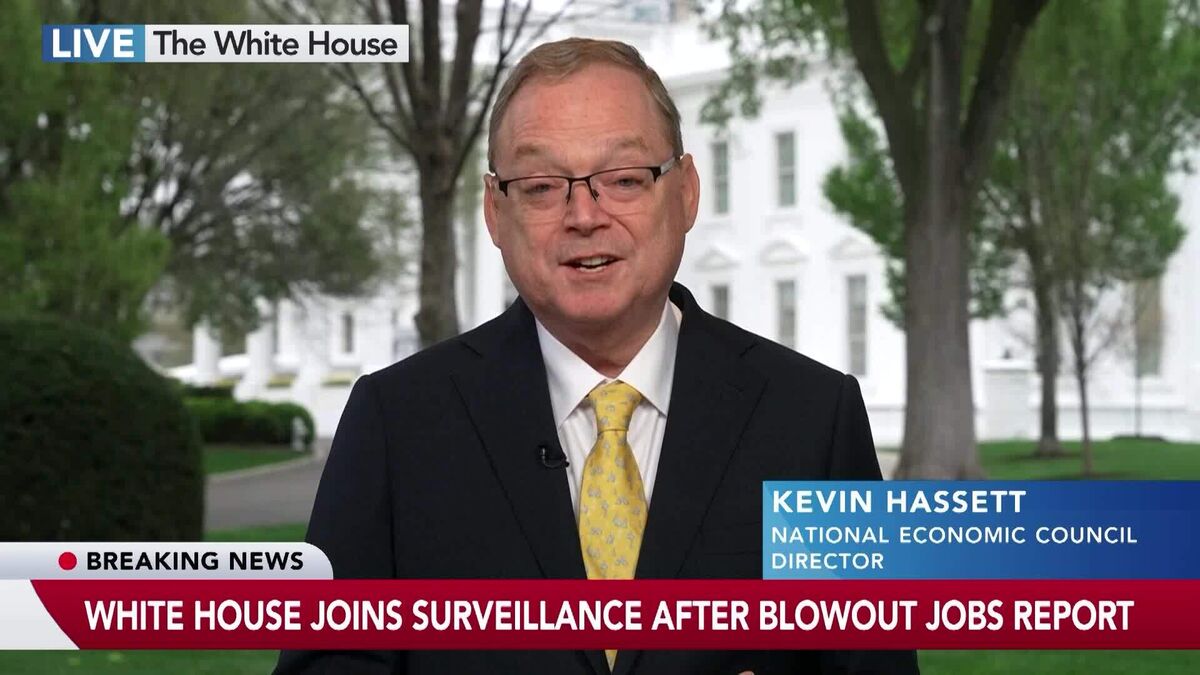
As the U.S. economy continues its slow climb out of pandemic-induced turbulence, the March jobs report has delivered a mixed message of resilience and uncertainty. Meanwhile, escalating geopolitical tensions in the Middle East, particularly the ongoing conflict in Iran, are causing disruptions in global oil markets, threatening to compound inflationary pressures and reshape economic forecasts. Against this backdrop, National Economic Council Director Kevin Hassett weighed in on the dual challenges facing the U.S. economy, offering insights into how these interconnected factors could influence growth, inflation, and consumer confidence in the months ahead.
The March jobs report, released by the U.S. Bureau of Labor Statistics, revealed a robust addition of 431,000 jobs, marking a steady recovery in the labor market. Unemployment dipped slightly to 3.6%, nearing pre-pandemic lows—a sign of economic vigor. However, beneath the headline numbers lie concerns over wage growth and labor force participation, which have yet to fully rebound. Industries such as hospitality, healthcare, and retail led the gains, reflecting the gradual return to normalcy as pandemic restrictions ease. Yet, persistent workforce shortages and supply chain bottlenecks continue to pose challenges, particularly in sectors like manufacturing and construction.
Oil Market Disruptions and Geopolitical Tensions
While the jobs report offered a snapshot of domestic economic health, Hassett also highlighted the looming risks from global energy markets. The war in Iran, coupled with broader instability in the Middle East, has disrupted oil supplies, sending prices soaring. Brent crude, the international benchmark, has surged past $100 per barrel, raising fears of sustained inflationary pressure. For the U.S., which relies on oil imports to meet a significant portion of its energy needs, the price hike could translate into higher costs for transportation, manufacturing, and consumer goods.
Hassett emphasized that the current geopolitical climate adds a layer of complexity to economic policymaking. “Oil prices are inherently volatile, and when you factor in geopolitical risks, the uncertainty only grows,” he said. “This could have a cascading effect on inflation, which is already at levels not seen in decades.” The Federal Reserve has been aggressively raising interest rates to curb inflation, but external shocks like surging oil prices complicate the central bank’s efforts to engineer a soft landing for the economy.
Inflation and Consumer Sentiment
The rise in oil prices comes at a precarious time for U.S. consumers, who are already grappling with the highest inflation rates in 40 years. Gasoline prices have jumped sharply, with the national average hovering near $4 per gallon—a significant burden for households and businesses alike. Hassett noted that prolonged high oil prices could dampen consumer spending, which accounts for roughly 70% of U.S. economic activity.
“This is a delicate balancing act,” Hassett explained. “While the labor market is strong, inflation erodes purchasing power, and higher energy costs could slow down economic momentum.” Consumer sentiment, as measured by the University of Michigan, has reflected this unease, with confidence levels remaining subdued despite wage growth.
Global Implications and Policy Responses
The ripple effects of U.S. economic conditions and oil market volatility extend far beyond its borders. As the world’s largest economy, the U.S. plays a pivotal role in shaping global trade, investment, and financial stability. Rising oil prices threaten to stoke inflation worldwide, particularly in emerging markets that are heavily dependent on energy imports.
In response, policymakers are exploring a range of measures to mitigate the impact. The Biden administration has released strategic petroleum reserves to stabilize prices, while also urging OPEC nations to ramp up production. Hassett underscored the importance of international cooperation in addressing the crisis. “This is not just a U.S. issue; it’s a global challenge,” he said. “Coordinated action is essential to ensure stability in energy markets.”
Long-Term Outlook and Risks
Looking ahead, economists are divided on the trajectory of the U.S. economy. Optimists point to the strong labor market and resilience of consumer demand as signs of enduring growth. Skeptics, however, warn of persistent inflation, tightening monetary policy, and external shocks as potential threats to recovery.
Hassett acknowledged these uncertainties but expressed confidence in the economy’s underlying strength. “We’ve faced significant challenges before, and we’ve always emerged stronger,” he said. “The key is to remain vigilant and adaptable in the face of evolving risks.”
Conclusion: Navigating a Complex Landscape
As the U.S. economy navigates a complex landscape of labor recovery, inflationary pressures, and geopolitical disruptions, policymakers and businesses alike face difficult decisions. The March jobs report offers a glimmer of hope, but the path forward remains fraught with challenges. With oil prices at elevated levels and inflation showing no signs of abating, the balancing act between sustaining growth and controlling costs will define the economic narrative in the months to come.
In Hassett’s view, the situation demands both caution and optimism. “The economy is resilient, but resilience alone isn’t enough,” he concluded. “We need smart policies, global cooperation, and a focus on long-term stability to ensure a prosperous future for all.”
