


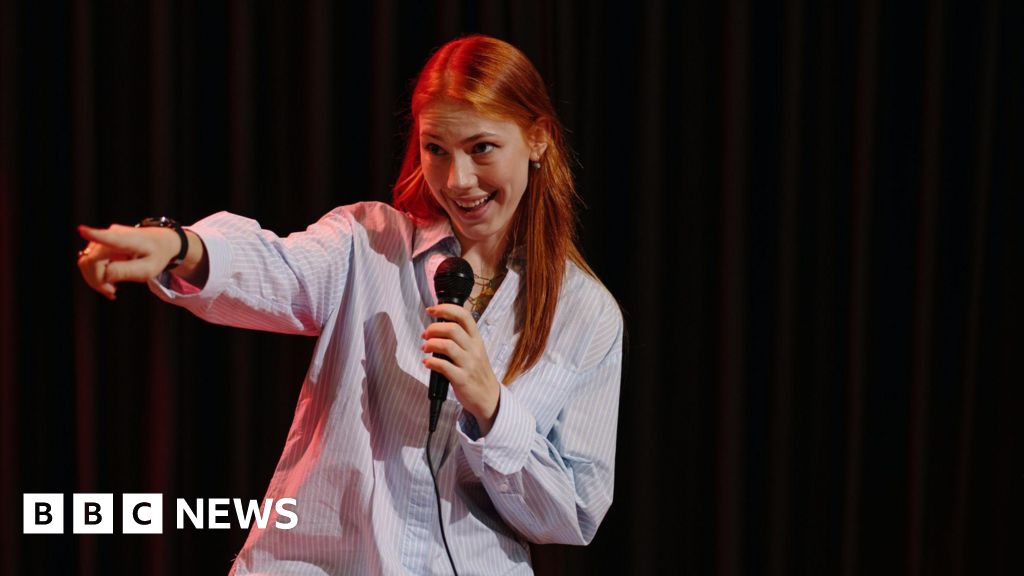

UK Culture Minister Pledges Support to Comedy Industry Following High-Stakes Talks
In a significant move to bolster the creative arts sector, UK Culture Minister Ian Murray has committed to strengthening support for the comedy industry following a series of high-profile discussions. The announcement marks a renewed focus on the cultural and economic contributions of comedy, an art form that has faced mounting challenges in recent years.
The talks, held between Murray and representatives from leading comedy organizations, performers, and venues, underscored the need for a coordinated effort to address issues such as funding shortages, venue closures, and the impact of digital platforms. Murray emphasized the government’s recognition of comedy as a vital part of the UK’s cultural identity and its role in fostering creativity, resilience, and social cohesion.
“Comedy is not just entertainment; it is a powerful vehicle for storytelling, commentary, and connection,” Murray stated. “We must ensure that the sector thrives, not just for the benefit of performers but for the audiences who rely on it for laughter and reflection.”
The UK comedy industry has long been a cornerstone of the nation’s arts scene, producing globally renowned comedians and iconic shows. However, the sector has faced significant headwinds in recent years. The COVID-19 pandemic dealt a severe blow, with live performances halted and many venues forced to close permanently. Even as restrictions eased, rising operational costs and shifts in audience behavior have continued to challenge the industry’s recovery.
Comedy clubs, particularly smaller, independent venues, have struggled to stay afloat. Many rely on live performances as their primary revenue stream, but dwindling audience numbers and increased competition from digital platforms have made sustainability increasingly difficult. Additionally, emerging comedians face barriers to entry, with fewer opportunities for paid gigs and mentorship.
The government’s pledge comes at a critical juncture for the sector. Details of the support package have yet to be finalized, but Murray hinted at a multifaceted approach that could include financial grants, tax incentives for venues, and partnerships with streaming platforms to promote live comedy. There is also a focus on fostering diversity and inclusivity within the industry, ensuring that voices from underrepresented communities are amplified.
Industry leaders have welcomed the announcement, expressing cautious optimism about the potential impact. Sarah Smith, director of a prominent comedy festival, described the talks as “a long-overdue acknowledgment of the challenges we face.”
“Comedy is a space where we can tackle difficult issues, push boundaries, and bring people together,” Smith said. “But without adequate support, we risk losing the very essence of what makes it so special. This collaboration with the government is a step in the right direction.”
The pledge also highlights the broader importance of the creative arts to the UK economy. According to recent data, the cultural sector contributes billions annually and supports hundreds of thousands of jobs. Comedy, in particular, has a ripple effect, benefiting industries such as tourism, hospitality, and media.
Murray’s commitment aligns with the government’s broader strategy to bolster the creative industries, which are seen as a key driver of post-pandemic recovery. Earlier this year, the Department for Culture, Media, and Sport unveiled a five-year plan aimed at fostering innovation and growth across the sector.
However, some critics have urged the government to move swiftly from promises to action. Comedian and activist Mark Green noted that while the talks are a positive development, “the real test will be in the implementation.”
“We’ve seen commitments fall short before,” Green said. “The industry needs tangible support now—not in six months or a year.”
Looking ahead, the collaboration between the government and the comedy industry could set a precedent for how other creative sectors engage with policymakers. The focus on comedy underscores a growing recognition of its cultural and economic value, as well as its potential to drive social change.
As plans unfold, stakeholders will be closely watching for concrete measures that address the sector’s immediate challenges while laying the groundwork for long-term sustainability. For audiences, the hope is that these efforts will ensure the continued vibrancy of a beloved art form—one that reminds us, even in difficult times, of the power of laughter.
The next steps will likely involve further consultations and the development of a comprehensive support framework. For now, the comedy industry can take solace in knowing that their voices have been heard, and their struggles acknowledged. The future of UK comedy, it seems, is poised for a brighter chapter.
