



Global Tensions Overshadow Pope’s Easter Message as Conflicts Escalate Worldwide
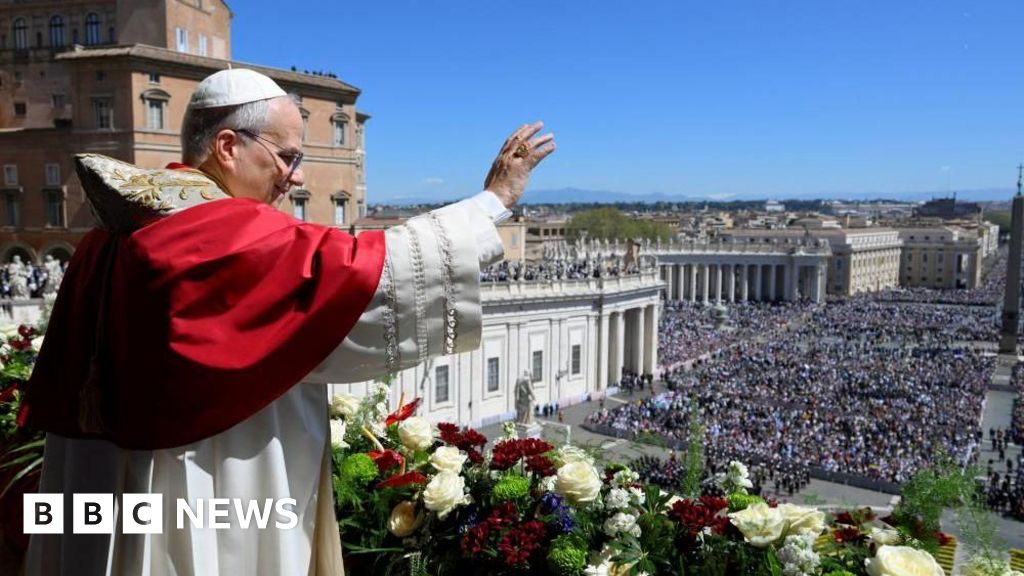
VATICAN CITY—Against the backdrop of rising geopolitical instability, Pope Leo XIV delivered his first Easter Sunday address to a crowd of thousands in St. Peter’s Square, calling for peace in a world increasingly fractured by war. The pontiff’s message of unity contrasted sharply with the drumbeat of conflict from Ukraine to the Middle East, underscoring the widening divide between global diplomacy and on-the-ground realities.
A Call for Peace Amid Global Unrest
Pope Leo XIV, elected just months ago, used his inaugural Easter homily to urge nations to prioritize dialogue over violence. “The resurrection of Christ is a promise of renewal, yet humanity remains trapped in cycles of hatred,” he declared, as pilgrims from over 120 countries listened in silence. His appeal came as the UN reported a 40% surge in armed conflicts since 2020, with civilian casualties reaching a 30-year high.
The Vatican’s diplomatic influence has waned in recent years, but the Pope’s plea resonated in a week marked by escalating crises: Israeli airstrikes in Gaza, Russian advances in eastern Ukraine, and a deadly terrorist attack in Mali. Analysts note that religious leaders are increasingly among the few voices advocating de-escalation as traditional mediators like the UN struggle with gridlock.
Global Conflicts Eclipse Papal Appeal
While the Pope spoke, real-time clashes unfolded elsewhere:
- Ukraine: Russian forces intensified attacks near Avdiivka, exploiting ammunition shortages among Ukrainian troops. NATO officials warn of a potential spring offensive.
- Middle East: Ceasefire talks between Israel and Hamas stalled after a rocket attack killed three in Tel Aviv. The Red Cross condemned the blockade of aid into Gaza, where famine risks grow.
- Africa: Jihadist groups in the Sahel launched coordinated assaults on military bases in Niger and Burkina Faso, killing 60+ soldiers.
“The world is witnessing a dangerous erosion of international law,” said Dr. Elena Moretti, a security analyst at the International Crisis Group. “Great-power competition, resource scarcity, and weak governance are creating a perfect storm.”
Why This Matters Beyond Religion
The Pope’s address highlighted a broader dilemma: moral authority alone cannot halt wars fueled by geopolitical ambitions. The West’s focus on Ukraine and Taiwan has diverted attention from neglected crises in Sudan and Myanmar, where millions face displacement. Meanwhile, arms shipments to conflict zones hit a record $100 billion in 2023, per SIPRI data.
Religious leaders like Pope Leo XIV face skepticism in regions where faith is politicized. In Moscow, Patriarch Kirill endorsed Russia’s invasion of Ukraine as a “holy war,” while some Israeli rabbis frame Gaza operations as biblical justice. Such rhetoric complicates peace efforts, leaving civilians caught between ideology and survival.
A World at a Crossroads
As Easter celebrations concluded, the dissonance between hope and reality was palpable. In Kyiv, a church service was interrupted by air raid sirens; in Gaza, families scavenged for food amid rubble. The Pope’s words—though poignant—underscored how far the planet remains from his vision of reconciliation.
With the UN Security Council paralyzed by vetoes and elections looming in the US and EU, 2024 risks becoming a year of unchecked escalation. The question is no longer whether conflicts will spread, but who will act to contain them. For now, the burden falls on ordinary people—praying for peace while bracing for war.
Closing Thought: As the sun set over St. Peter’s Basilica, the crowd dispersed into a world where diplomacy lags behind violence. The Pope’s message was clear, but the test lies in whether power brokers will listen—or let the flames of conflict burn higher.
