


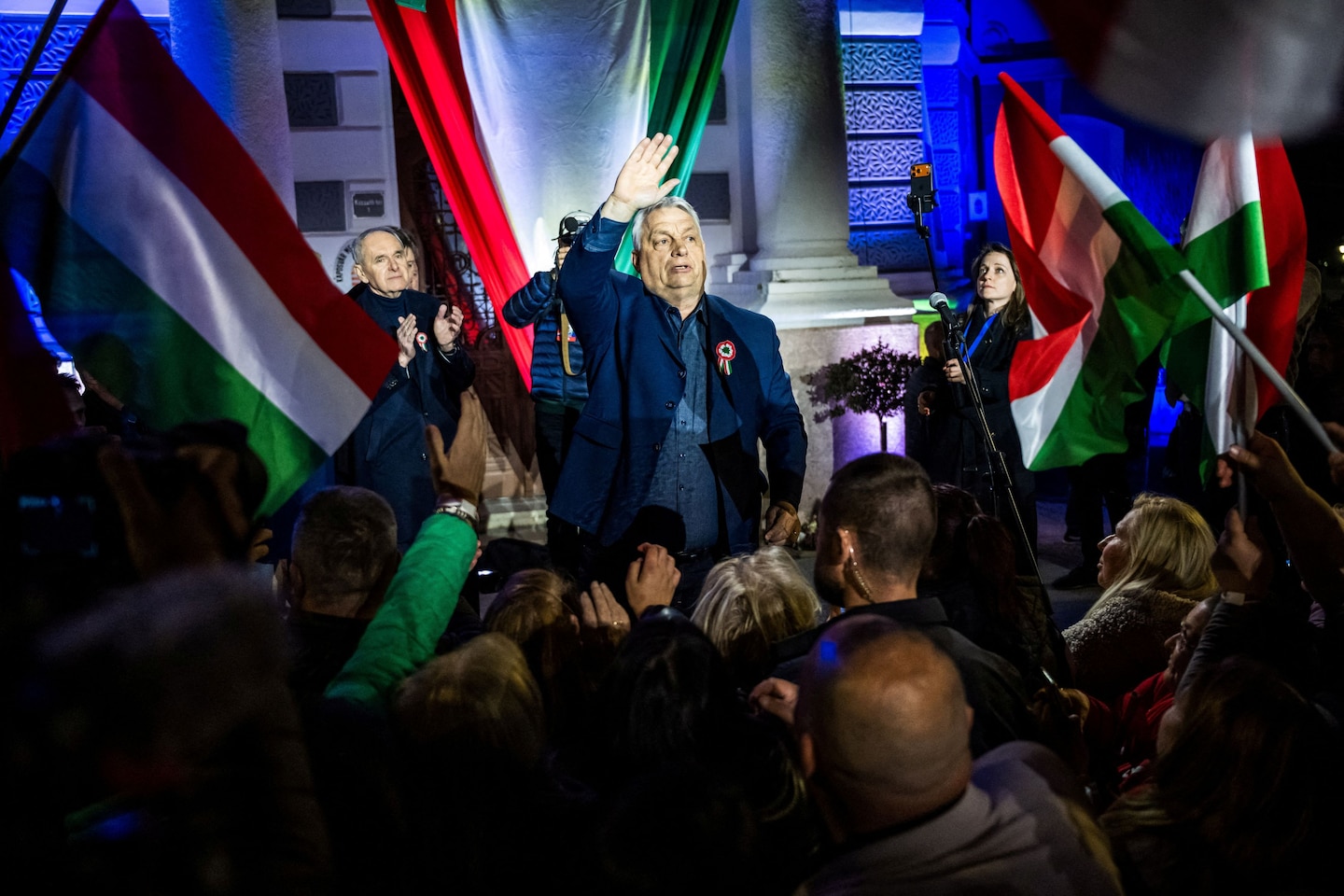

Vice President JD Vance Heads to Budapest in Bid to Bolster Hungary’s Viktor Orban Ahead of Election
Vice President JD Vance is set to arrive in Budapest this week, where he will lend his support to Hungary’s Prime Minister Viktor Orban, a controversial leader facing an uphill battle in the country’s upcoming national election on April 12. Orban, a staunch ally of Russia and a figure increasingly aligned with the MAGA movement in the United States, is trailing in the polls as Hungarians prepare to cast their votes. Vance’s visit underscores the deepening ties between Orban’s government and the highest echelons of American conservative politics, even as Hungary’s political landscape appears to be shifting.
Orban’s Struggle for Re-election
Viktor Orban, who has been in power since 2010, is one of Europe’s longest-serving leaders. Known for his nationalist rhetoric, anti-immigration policies, and close relationship with Russian President Vladimir Putin, Orban has often clashed with the European Union over democratic norms and rule of law. However, his grip on power has shown signs of weakening in recent months. Opposition parties have united under a coalition led by Peter Marki-Zay, a conservative mayor who has criticized Orban’s authoritarian tendencies and his pro-Kremlin stance.
Recent polls suggest that Orban’s Fidesz party is trailing behind the opposition coalition, raising the possibility of a historic defeat for a leader who has dominated Hungarian politics for over a decade. The election on April 12 is being closely watched not only in Hungary but across Europe, as it could mark a significant turning point in the region’s political dynamics.
Vance’s Mission in Budapest
Vice President JD Vance’s trip to Budapest is seen as a last-ditch effort to bolster Orban’s campaign. A rising star in American conservative circles, Vance has been vocal in his admiration for Orban’s brand of nationalism and his resistance to what he describes as “globalist” influences. Vance’s visit is expected to include meetings with Orban and other Hungarian officials, as well as public statements emphasizing the shared values between Hungary’s government and the MAGA movement.
The timing of Vance’s visit is significant. With Orban’s popularity waning, support from a prominent American political figure could provide a much-needed boost to his campaign. However, critics argue that Vance’s involvement risks further alienating Hungarian voters who are wary of foreign interference in their domestic politics.
The U.S.-Hungary Connection
Orban’s ties to American conservatives have grown stronger in recent years, fueled by mutual disdain for progressive policies and a shared skepticism of international institutions like the European Union. Leaders of the MAGA movement have praised Orban for his hardline stance on immigration and his efforts to promote what he calls “illiberal democracy.”
This alliance has drawn criticism from both sides of the Atlantic. In the United States, Democrats have accused Orban of undermining democratic norms and using state-controlled media to suppress dissent. In Europe, Orban’s closeness to American conservatives has raised concerns about Hungary’s role in NATO and its commitment to Western values.
Why This Matters
The outcome of Hungary’s election will have far-reaching implications, both domestically and internationally. If Orban retains power, it could embolden other nationalist leaders in Europe and further strain Hungary’s relationship with the EU. A defeat, on the other hand, could signal a shift toward greater alignment with Western democratic standards and a reevaluation of Hungary’s ties with Russia.
Vance’s involvement highlights the growing influence of American conservatives in global politics, particularly in countries where leaders share their ideological views. It also underscores the extent to which Hungary has become a focal point in the broader struggle between nationalism and liberalism in the Western world.
Looking Ahead
As Vice President Vance arrives in Budapest, all eyes will be on whether his support can sway Hungarian voters in Orban’s favor. The election on April 12 is shaping up to be one of the most consequential in Hungary’s recent history, with potential ramifications for European unity, transatlantic relations, and the future of democracy in Central Europe.
Regardless of the outcome, Vance’s trip underscores the deepening connections between Hungary’s government and American conservatives—a relationship that is likely to continue shaping global politics in the years to come. As Hungary prepares to vote, the world waits to see whether Orban’s brand of nationalism can withstand the growing challenges at home and abroad.
