



Global Markets React as Trump Threatens Escalation in Iran Amid Rising Oil Prices
In a dramatic twist to an already tense geopolitical landscape, global markets faced fresh turbulence on Thursday as US President Donald Trump signaled a potential escalation of hostilities with Iran. The announcement sent US equity futures tumbling and spurred a sharp rise in oil prices, exacerbating concerns over a mounting energy crisis that threatens to destabilize the fragile global economic recovery. The developments come at a critical juncture for the world economy, already grappling with inflationary pressures, supply chain disruptions, and the lingering effects of the COVID-19 pandemic.
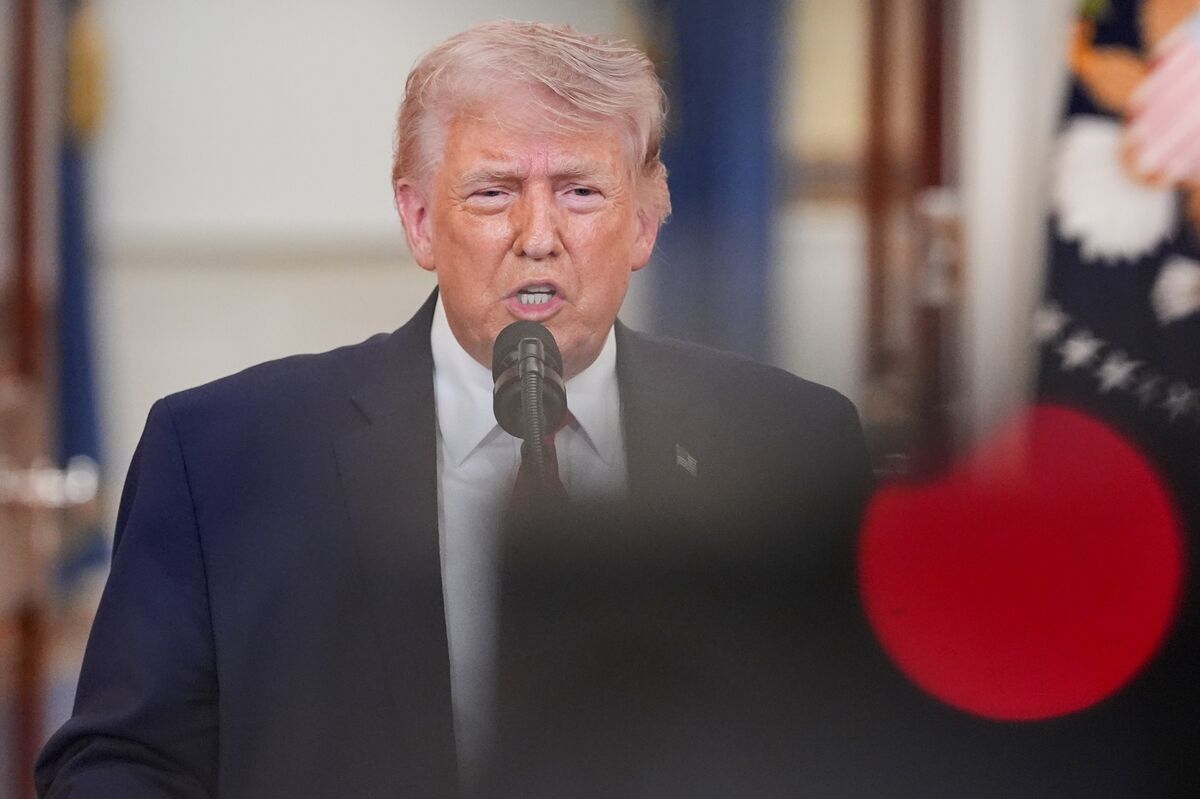
President Trump’s remarks, delivered during a press briefing on Wednesday evening, hinted at a more aggressive stance toward Iran, suggesting that the US could take decisive action to counter Tehran’s influence in the Middle East. While specifics were scant, the mere suggestion of heightened military engagement sparked immediate alarm among investors. Futures tied to major US stock indices, including the S&P 500 and Nasdaq Composite, fell sharply overnight, reflecting growing fears of a protracted conflict in one of the world’s most strategically significant regions.
Concurrently, Brent crude, the international benchmark for oil prices, surged by nearly 3%, crossing the $100-per-barrel threshold for the first time in weeks. The spike in energy costs is particularly troubling for a global economy already reeling from the fallout of Russia’s invasion of Ukraine, which disrupted global energy supplies and sent fuel prices soaring. Analysts warn that a further escalation in Iran—a key oil producer—could deepen the crisis, potentially triggering a wave of stagflationary pressures that would weigh heavily on consumers and businesses alike.
A Geopolitical Powder Keg
The prospect of renewed tensions between the US and Iran is not new, but the timing of President Trump’s remarks has intensified worries about the broader implications for global stability. Relations between Washington and Tehran have been fraught for decades, with the two nations locked in a bitter standoff over Iran’s nuclear program and its support for proxy groups across the Middle East.
The 2015 Iran nuclear deal, formally known as the Joint Comprehensive Plan of Action (JCPOA), was meant to ease tensions by imposing limits on Iran’s uranium enrichment activities in exchange for sanctions relief. However, President Trump unilaterally withdrew the US from the agreement in 2018, reinstating harsh economic sanctions and plunging the region into a cycle of escalating hostilities.
Since then, Iran has steadily ramped up its uranium enrichment efforts, while the US has sought to isolate Tehran through diplomatic and economic means. The Biden administration had attempted to revive the JCPOA, but negotiations have stalled in recent months, raising fears of a potential collapse in diplomacy. Against this backdrop, President Trump’s remarks are seen as a stark reminder of the volatility that continues to define US-Iran relations.
Market Jitters Worsen Economic Uncertainty
The immediate market reaction underscores the profound interconnectedness of geopolitics and global finance. Investors, already on edge amid rising interest rates and slowing economic growth, are closely monitoring developments in the Middle East for signs of further destabilization. Oil prices, in particular, have become a bellwether for broader economic sentiment, given their outsized impact on inflation and corporate profitability.
“The market hates uncertainty, and right now, there’s a lot of it,” said Rachel Johnson, chief economist at Global Insight Analytics. “A potential escalation in Iran could send oil prices skyrocketing, which would ripple through every corner of the global economy. Consumers would feel it at the pump, businesses would see higher input costs, and central banks would face even greater pressure to tighten monetary policy.”
Indeed, the threat of higher energy costs comes as central banks around the world are already grappling with the challenge of taming inflation without triggering a recession. In the US, the Federal Reserve has embarked on an aggressive rate-hiking campaign, raising borrowing costs in an effort to cool demand and bring prices under control. However, policymakers have repeatedly emphasized the limits of monetary policy in addressing supply-side shocks, such as those caused by geopolitical events.
For Europe, the situation is even more precarious. The continent’s reliance on Russian energy has left it particularly vulnerable to disruptions in global oil markets, and the prospect of a protracted conflict in Iran could further strain already fragile economies.
Broader Implications for Global Stability
Beyond the immediate economic impact, President Trump’s warning has raised broader questions about the future of US foreign policy in the Middle East. Critics argue that a more confrontational approach toward Iran risks alienating key allies and undermining efforts to forge a lasting peace in the region.
“The Middle East is a tinderbox, and any miscalculation could have devastating consequences,” said Michael Carter, a senior fellow at the Center for Strategic and International Studies. “The US needs to tread carefully, especially at a time when the global order is already under immense strain.”
Others, however, contend that a tougher stance may be necessary to counter Iran’s growing influence in the region. Proponents of this view argue that Tehran’s support for proxy groups in countries like Yemen, Syria, and Lebanon poses a direct threat to regional stability, and that the US must take decisive action to curb its ambitions.
As the debate unfolds, one thing is clear: the stakes could not be higher. With the global economy teetering on the brink of recession, and geopolitical tensions flaring in multiple hotspots, the world is bracing for what could be a pivotal moment in the months ahead.
Looking Ahead
For now, markets remain in a state of heightened vigilance, awaiting clarity on the US administration’s next steps. Investors will be closely watching upcoming economic data, including inflation figures and employment reports, for signs of how the latest developments are affecting the broader economic landscape.
In the meantime, the specter of escalating tensions in the Middle East serves as a stark reminder of the fragility of global peace and prosperity. As history has shown, the path forward is rarely straightforward—and the consequences of missteps can be far-reaching. Whether diplomacy prevails or conflict erupts, the world will be watching closely, hoping for a resolution that avoids further upheaval.
In the words of one veteran geopolitical analyst, “When it comes to the Middle East, hope for the best, but always prepare for the worst.”
