



Ohio Farmers Face Tough Choices as Iran Tensions Drive Up Fertilizer Costs
COLUMBUS, Ohio — Rising tensions in the Middle East are hitting close to home for Ohio farmers, as disruptions to a critical global shipping route send fertilizer prices soaring just as planting season begins.
The Strait of Hormuz, a narrow waterway near Iran, handles nearly a third of the world’s traded nitrogen fertilizer. With geopolitical instability threatening shipments, farmers like Bennett Musselman are scrambling to adjust.
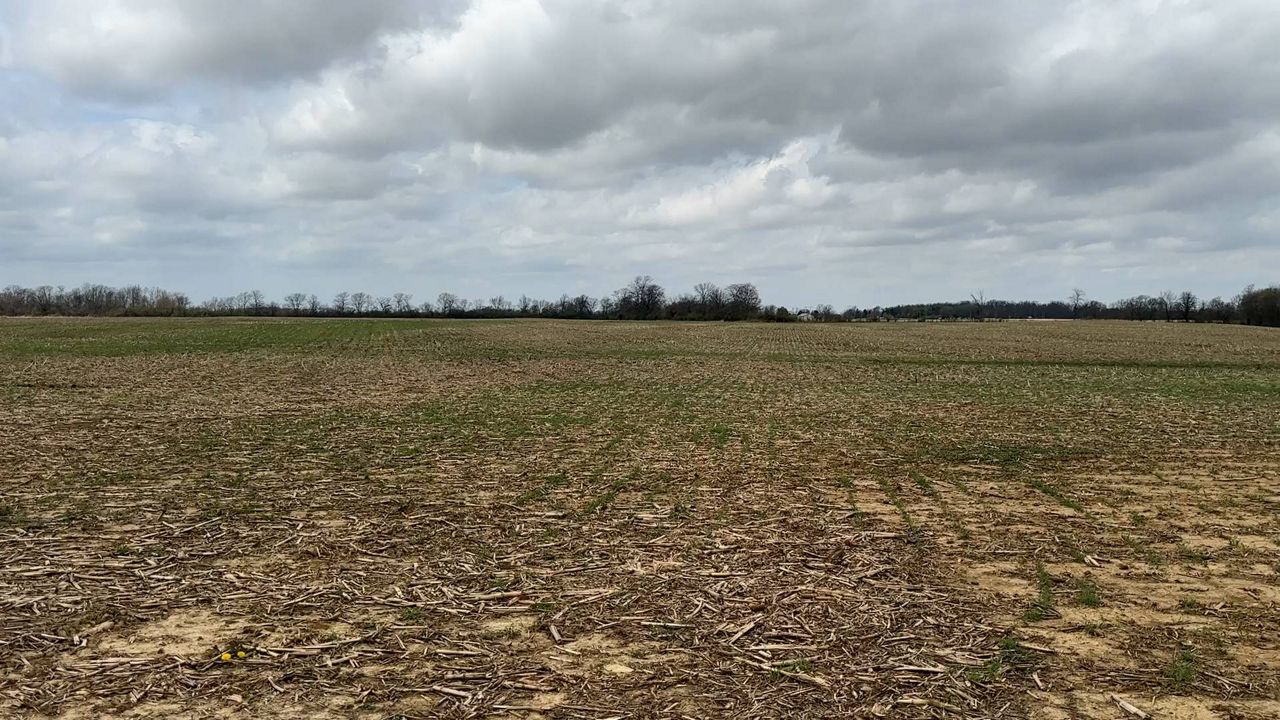
“Fertilizer prices have shot up—especially since the conflict escalated,” said Musselman, who grows corn and soybeans on 650 acres in Pickaway County. “Just this week, the cost jumped another $30 to $40 a ton. That hurts, but I can’t afford to buy it all right now.”
A Global Squeeze on Supply
The ripple effects of the crisis are being felt far beyond the Middle East. Ian Sheldon, an agricultural trade expert at The Ohio State University, warns that any disruption to Hormuz traffic could have immediate consequences for farmers worldwide.
“About 30% of globally traded urea—a key nitrogen fertilizer—passes through the Strait of Hormuz,” Sheldon explained. “When that flow is threatened, it tightens supply everywhere.”
For farmers who didn’t lock in prices early, the timing couldn’t be worse. Many are now forced to cut back on fertilizer use, risking lower crop yields—and potentially higher food prices for consumers down the line.
Bare Minimum for Survival
Musselman is taking a cautious approach, applying only what he needs to get through the season. “We’re not building up reserves—just using the bare minimum to grow a decent crop,” he said.
But cutting corners now could mean smaller harvests later. Corn, which requires more fertilizer than soybeans, may become less attractive to plant if costs keep climbing.
Sheldon notes that these decisions don’t stay on the farm. “Higher input costs eventually trickle down to grocery bills,” he said.
Long-Term Worries for the Next Generation
For Musselman, the stakes go beyond this year’s harvest. “I’m not just farming for myself,” he said. “I’ve got the next generation to think about.”
As planting season gets underway, Ohio’s farmers are caught between rising costs and uncertain yields—a dilemma that could shape food prices for months to come.
— Reported by Nexio News
