



Global Fuel Crisis Deepens as Iran Conflict Sparks Surge in Prices, Threatening Supply Chains and Economic Stability
The ripple effects of escalating tensions in the Middle East have reached far beyond the region, triggering a dramatic spike in global fuel prices that threatens to exacerbate already fragile supply chains and intensify inflationary pressures worldwide. The conflict in Iran, coupled with a persistent shortage of truck drivers in the United States, has created a perfect storm for transportation costs, leaving businesses scrambling to adapt and consumers bracing for higher prices.
As oil prices surge to multi-year highs, analysts warn that the situation could have far-reaching consequences for economies still recovering from the shocks of the COVID-19 pandemic, energy shortages, and geopolitical instability.
The Iran Factor: A Flashpoint for Global Fuel Prices
The recent escalation of hostilities in Iran has become a central driver of the current fuel crisis. Iran, a major oil producer, has seen its output severely disrupted as international sanctions and internal unrest have crippled its export capabilities. The conflict has also heightened fears of broader regional instability, with key shipping routes through the Strait of Hormuz—a critical artery for global oil trade—facing potential disruption.
This geopolitical uncertainty has sent shockwaves through global energy markets. Brent crude prices have surged by over 20% in the past month, hovering near $120 per barrel, a level not seen since the 2014 oil price collapse. Meanwhile, gasoline and diesel prices have followed suit, with average retail fuel costs in the U.S. climbing to record highs and similar spikes reported across Europe, Asia, and Africa.
“The Iran conflict has become a catalyst for what could become a prolonged period of volatility in energy markets,” said Sarah Carter, an energy analyst at the Global Economic Institute. “The stakes are incredibly high, not just for oil-producing nations but for every economy that depends on affordable energy to function.”
Transportation Costs Under Pressure
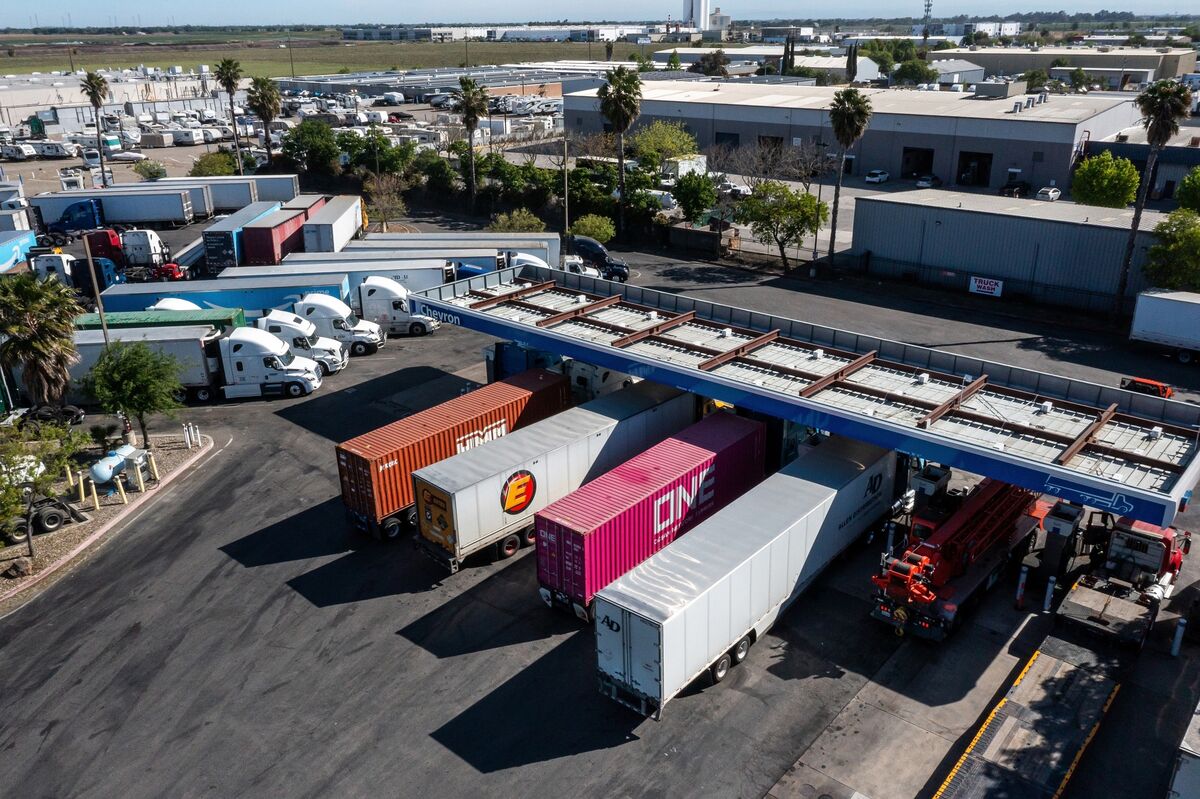
The surge in fuel prices comes at a particularly challenging time for the global transportation industry, which was already grappling with a severe shortage of drivers and rising operational costs. In the United States, the trucking sector—a backbone of the nation’s supply chain—has been hit hard by a scarcity of qualified drivers, with estimates suggesting a deficit of over 80,000 workers.
This shortage, compounded by skyrocketing fuel expenses, has forced shipping companies to pass on higher costs to consumers. The American Trucking Associations reported that average freight rates have increased by 15% year-over-year, a trend mirrored in other regions reliant on road transport.
“The combination of driver shortages and rising fuel prices is a double whammy for the transportation sector,” noted Michael Harper, a logistics expert at Harvard Business School. “Companies are being squeezed from both ends, and the only way out is to raise prices, which inevitably trickles down to consumers.”
Global Supply Chains at Risk
The impact of rising transportation costs is being felt across industries, from manufacturing and retail to agriculture and technology. Businesses that rely on just-in-time delivery systems are particularly vulnerable, as delays and increased expenses threaten to disrupt tightly calibrated supply chains.
In Europe, where fuel prices have reached historic highs, small and medium-sized enterprises (SMEs) are reporting significant strain. “We’re seeing a domino effect,” said Elena Marquez, a spokesperson for the European Federation of SMEs. “Higher fuel costs are driving up the price of raw materials, shipping, and even basic utilities, leaving businesses with no choice but to raise prices or cut corners.”
The situation is equally dire in emerging markets, where higher fuel costs are exacerbating existing economic challenges. In India, for instance, diesel prices have surged by nearly 30% this year, leading to widespread protests and calls for government intervention.
The Human Toll: Inflation and Social Unrest
Beyond the economic implications, the fuel crisis is taking a toll on households worldwide. Rising fuel prices have a cascading effect on the cost of essential goods and services, from groceries to public transportation. Inflationary pressures, already elevated due to pandemic-related disruptions, are being further stoked, threatening to undermine consumer confidence and erode purchasing power.
In the United States, where inflation is at its highest level in four decades, the Biden administration has sought to mitigate the impact by releasing strategic oil reserves and encouraging OPEC to increase production. However, critics argue that such measures are insufficient to address the root causes of the crisis.
“The current situation is a stark reminder of how interconnected our global energy systems are,” said James Kilpatrick, an economist at the University of Cambridge. “Short-term fixes may provide temporary relief, but without a long-term strategy to diversify energy sources and stabilize supply chains, we’re merely treating the symptoms rather than the disease.”
Looking Ahead: A Fragile Balance
As the Iran conflict shows no signs of abating and global demand for oil continues to rise, the outlook for fuel prices remains uncertain. Analysts warn that prolonged instability in the Middle East could push oil prices even higher, potentially triggering a global recession.
At the same time, the ongoing driver shortage in the U.S. and other countries highlights the need for structural reforms in the transportation sector, from improving working conditions to investing in automation and alternative energy sources.
“The world is at a crossroads,” said Carter. “The choices we make in the coming months—whether to prioritize short-term gains or long-term stability—will shape the trajectory of the global economy for years to come.”
As governments, businesses, and consumers grapple with the fallout of the fuel crisis, one thing is clear: the road ahead is fraught with challenges, but also opportunities for innovation and resilience. The question remains whether the global community can seize them in time to avert a deeper crisis.
