



Escalating Conflict in Lebanon Forces Thousands to Flee Amidst Rising Tensions
Southern Lebanon becomes a battleground as Israeli-Hezbollah clashes displace over a million, leaving families like Ghada’s struggling to survive.
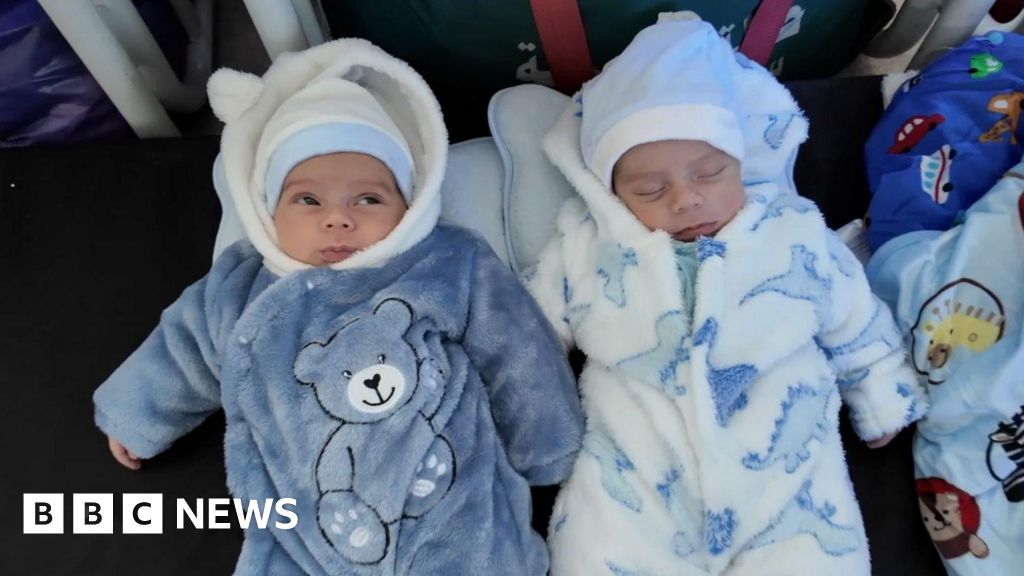
The deafening roar of Israeli airstrikes shattered Ghada’s world just days after she gave birth to twins. “Everything I had prepared for my children was gone,” she recounted, her voice trembling as she described fleeing her home in southern Lebanon. Now, she sleeps on the cold floor of a university-turned-shelter in Sidon, one of Lebanon’s largest cities, alongside her newborns and over 2,000 other displaced souls. Her story is one of countless tragedies unfolding in a region where renewed conflict between Israel and Hezbollah has pushed over a million people to the brink of despair.
A Region on the Edge
Lebanon, already grappling with economic collapse and political instability, has become the latest flashpoint in a widening regional conflict. Tensions between Israel and Hezbollah, the Iran-backed militant group operating in Lebanon, have escalated dramatically in recent months. The violence intensified following Israel’s assassination of Iran’s supreme leader earlier this year, which triggered a fierce response from Hezbollah in the form of rocket attacks into northern Israel.
In retaliation, Israel has launched ground operations and airstrikes across Lebanon, targeting Hezbollah’s strongholds. The conflict has reignited fears of a full-scale war, reminiscent of the 2006 Israel-Hezbollah war that devastated Lebanon and left deep scars on the region.
A Wave of Displacement
The human cost of this latest escalation is staggering. Over one million Lebanese civilians have been displaced, according to recent estimates, as Israeli forces intensify their operations in the south. Many of these families, like Ghada’s, have fled from villages near the Israeli border, areas that have borne the brunt of the conflict.
Sidon, Lebanon’s third-largest city, has become a refuge for thousands of displaced families. Known as the gateway to southern Lebanon, the city has seen its infrastructure strained as schools, universities, and public buildings are converted into shelters. The influx of displaced families has overwhelmed local resources, leaving many without basic necessities like food, water, and medical care.
Israel’s Buffer Zone Plan
The conflict’s escalation has been further fueled by Israel’s announcement of plans to establish a buffer zone inside southern Lebanon. In March, Israeli Defense Minister Israel Katz stated that Israel would maintain security control over a swathe of Lebanese territory, demolishing all homes in villages near the border. The proposal, which has been met with widespread condemnation, is seen as a strategic move to prevent Hezbollah from launching attacks into Israel.
The buffer zone plan has raised alarm among international observers, who warn that it could exacerbate the humanitarian crisis and deepen regional instability. Critics argue that the proposal violates international law and risks entrenching the conflict, making a peaceful resolution even more elusive.
A Ceasefire in Name Only
Despite a ceasefire agreement brokered in early 2024, violence has continued unabated. Israel has carried out near-daily strikes on Hezbollah positions, accusing the group of attempting to rebuild its military capabilities. Hezbollah, meanwhile, has retaliated with rocket attacks into northern Israel, targeting civilian areas and military installations.
The fragile ceasefire, which was hailed as a potential turning point, now appears increasingly tenuous. Analysts warn that the cycle of violence risks spiraling into a broader regional conflict, drawing in other actors such as Iran and Syria. The stakes are high, not just for Lebanon and Israel, but for the entire Middle East and beyond.
Why This Matters Globally
The escalating conflict in Lebanon has far-reaching implications for global security and stability. Lebanon, a country of just six million people, hosts one of the highest refugee populations per capita in the world, including hundreds of thousands of Syrians displaced by their own civil war. The latest wave of displacement threatens to overwhelm the country’s already strained resources, potentially triggering a humanitarian catastrophe.
Moreover, the Israel-Hezbollah conflict has the potential to draw in regional powers, including Iran and its proxies, further destabilizing an already volatile region. The conflict also underscores the fragility of international efforts to broker peace in the Middle East, highlighting the challenges of addressing deep-rooted geopolitical tensions.
A Crisis Without End
For Ghada and millions like her, the conflict has turned life into a relentless struggle for survival. “I don’t know how I will raise my children in this chaos,” she said, her words echoing the despair of countless displaced families.
As the world watches, the crisis in Lebanon serves as a stark reminder of the human cost of war and the urgent need for a lasting solution. Without decisive international action, the region risks descending further into violence, leaving future generations to bear the scars of a conflict that shows no signs of abating.
