


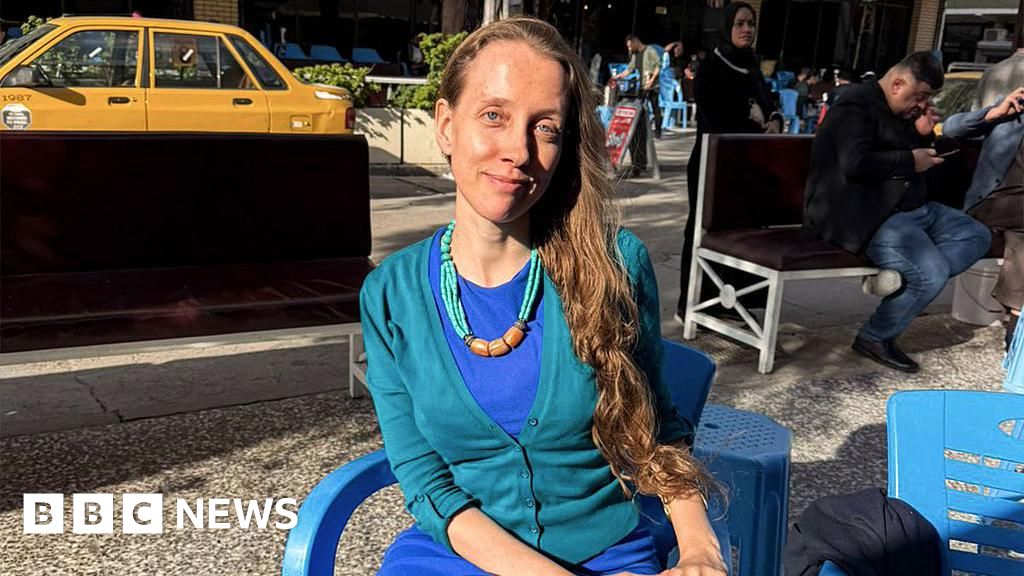

Kidnapped American Journalist Freed in Iraq After Tense Negotiations
Baghdad, Iraq – In a dramatic turn of events that underscores the precarious security situation in Iraq, an American journalist held captive by the militant group Kataib Hezbollah has been freed after days of intense negotiations. The release, which came on the condition that she immediately leave Iraq, has reignited concerns over the safety of foreign nationals in the region and the growing influence of Iranian-backed militias.
The journalist, whose identity has been withheld for security reasons, was reportedly abducted while covering the动荡的政治和经济状況 in Baghdad. Her ordeal highlights the dangerous realities faced by reporters operating in conflict zones, where the lines between journalism and geopolitics often blur.
The Background: Kataib Hezbollah’s Rising Influence
Kataib Hezbollah, a Shiite militant group with close ties to Iran, has long been a significant player in Iraq’s complex security landscape. Designated as a terrorist organization by the United States, the group has been implicated in numerous attacks on U.S. and coalition forces, as well as kidnappings and assassinations targeting foreign nationals.
The group’s rise to prominence has been fueled by years of instability in Iraq, exacerbated by the U.S. invasion in 2003, the rise of ISIS, and ongoing political fragmentation. Today, Kataib Hezbollah operates as part of the Popular Mobilization Forces (PMF), a coalition of militias that played a pivotal role in defeating ISIS but remains deeply entwined with Iran’s broader regional ambitions.
The journalist’s abduction is seen by analysts as a calculated move by Kataib Hezbollah to assert its influence and send a message to both the Iraqi government and foreign entities operating in the country. The group’s ability to enforce its demands—prioritizing the journalist’s expulsion from Iraq over potential ransom or concessions—underscores its growing power and boldness.
Global Implications: A Test of Diplomatic Resolve
The kidnapping and subsequent release of the American journalist have far-reaching implications for global security and diplomacy. It serves as a stark reminder of the risks faced by journalists worldwide, particularly in regions where militias and extremist groups operate with impunity. According to the Committee to Protect Journalists, Iraq remains one of the most dangerous countries for reporters, with dozens killed or abducted in recent years.
For the United States, the incident highlights the delicate balancing act of maintaining influence in Iraq while navigating the country’s shifting alliances and internal rivalries. The Biden administration, which has sought to de-escalate tensions with Iran, now faces renewed pressure to address the destabilizing activities of Iranian-backed groups like Kataib Hezbollah.
The case also underscores the broader geopolitical struggle playing out in the Middle East, where Iran and its proxies vie for dominance against U.S. interests and regional allies. As tensions simmer, incidents such as this kidnapping risk escalating into larger confrontations, with potentially catastrophic consequences for global stability.
Why It Matters: A Broader Threat to Press Freedom
Beyond the immediate geopolitical implications, the kidnapping raises critical questions about press freedom and the safety of journalists working in conflict zones. In an era of growing disinformation and authoritarianism, independent journalism is more vital than ever. Yet, as this case illustrates, reporters continue to face grave risks simply for doing their jobs.
The journalist’s release, while a relief, is not a solution to the systemic challenges confronting press freedom in Iraq and other volatile regions. Without concerted international efforts to hold perpetrators accountable and protect journalists, such incidents are likely to persist, further eroding trust in media and stifling the flow of accurate information.
Conclusion: A Narrow Escape, But a Persistent Crisis
The release of the American journalist marks the end of a harrowing chapter, but it also serves as a sobering reminder of the broader crisis engulfing Iraq and the wider Middle East. As Kataib Hezbollah and other militant groups continue to exert their influence, the safety of foreign nationals, journalists, and civilians remains in jeopardy.
For the international community, the incident is a wake-up call to address the root causes of instability in the region and to safeguard the principles of press freedom and human rights. As the world watches, the question remains: will this narrow escape inspire meaningful action, or will it be just another footnote in the long saga of war and insecurity in the Middle East? Only time will tell.
This report was filed from Baghdad, Iraq, with additional input from Washington, D.C., and Beirut, Lebanon.
Names and specific details have been withheld to protect the safety of those involved.
