


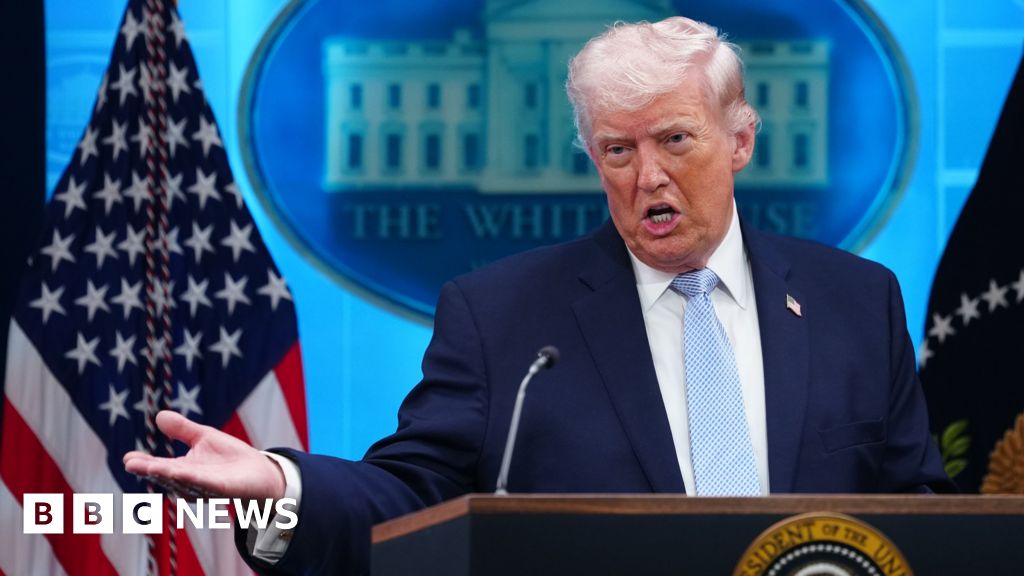

Tensions Escalate as U.S. Demands Iran Reopen Strait of Hormuz Amid Global Energy Crisis
A High-Stakes Standoff Over the World’s Most Critical Oil Chokepoint
The Strait of Hormuz, a narrow maritime passage through which nearly a third of the world’s seaborne oil flows, has once again become the epicenter of a dangerous geopolitical showdown. With a Tuesday deadline looming, the U.S. president has demanded that Tehran reopen the vital waterway, closed by Iran in retaliation for tightened Western sanctions. The ultimatum raises the specter of a military confrontation that could send shockwaves through global energy markets and destabilize an already volatile Middle East.
Why the Strait of Hormuz Matters
Stretching just 21 nautical miles at its narrowest point, the Strait of Hormuz is the lifeline for oil exports from Saudi Arabia, Iraq, the UAE, Kuwait, and Iran itself. Approximately 21 million barrels of oil per day—equivalent to 21% of global petroleum consumption—pass through this chokepoint. Any prolonged disruption could trigger fuel shortages, skyrocketing prices, and economic turmoil worldwide.
Iran’s decision to block the strait follows escalating tensions over its nuclear program and U.S.-led sanctions crippling its economy. By weaponizing this critical trade route, Tehran sends a clear message: it can inflict pain on the global economy if pushed too far.
U.S. Ultimatum: Diplomacy or Brinkmanship?
The White House has framed its demand as a necessary step to preserve “freedom of navigation and global energy security.” However, analysts warn that the hardline approach risks provoking a military clash. The U.S. Navy’s Fifth Fleet, based in Bahrain, has already deployed additional warships to the region, while Iran’s Revolutionary Guard has conducted missile drills near the strait.
“This is a game of chicken with trillion-dollar consequences,” said Dr. Sarah Al-Khayat, a Gulf security expert at Chatham House. “If diplomacy fails, we could see anything from covert sabotage to open conflict.”
Global Repercussions: Markets on Edge
Oil prices surged 5% following Iran’s blockade, with Brent crude nearing $100 per barrel—a threshold that could worsen inflation in economies still recovering from pandemic shocks. Europe, already grappling with an energy crisis due to the Russia-Ukraine war, faces further strain. Meanwhile, Asian giants like China and India, heavily reliant on Gulf oil, are scrambling to secure alternative supplies.
“Another major supply shock could push the world into recession,” warned the International Energy Agency (IEA).
Historical Precedents and Regional Flashpoints
This is not the first time Iran has threatened the strait—during the 1980s “Tanker War,” it attacked ships to pressure Iraq’s backers. Today, the risks are even higher. The U.S. and Israel have repeatedly warned against Iran’s nuclear advances, while Tehran-backed militias in Yemen, Syria, and Lebanon could escalate attacks if tensions boil over.
Saudi Arabia and the UAE, both major oil producers, have remained cautious but are likely to support U.S. efforts to keep the strait open. However, any direct confrontation could drag the Gulf states into a wider conflict.
What Happens Next?
With the deadline fast approaching, three scenarios dominate analysts’ forecasts:
- Last-Minute Deal – Behind-the-scenes negotiations, possibly mediated by Oman or Qatar, could see Iran reopen the strait in exchange for sanctions relief.
- Escalation – If the U.S. enforces the strait’s reopening militarily, Iran may retaliate with asymmetric tactics, such as drone strikes or mining operations.
- Prolonged Crisis – A stalemate could lead to sustained disruptions, forcing nations to reroute oil via longer, costlier paths.
Why the World Should Care
Beyond oil, this crisis tests the limits of U.S. influence in the Middle East and the effectiveness of economic warfare against Iran. A miscalculation could ignite a regional war, disrupt global trade, and deepen divisions between Western powers and energy-dependent nations.
As the clock ticks down, the Strait of Hormuz stands as both a battleground and a barometer of the world’s fragile energy security—a reminder that in geopolitics, some waterways are too vital to lose.
The Stakes Have Never Been Higher
The coming days will reveal whether diplomacy can avert disaster or if the world is headed toward another devastating conflict over oil. One thing is certain: the decisions made now will shape global stability for years to come.
