


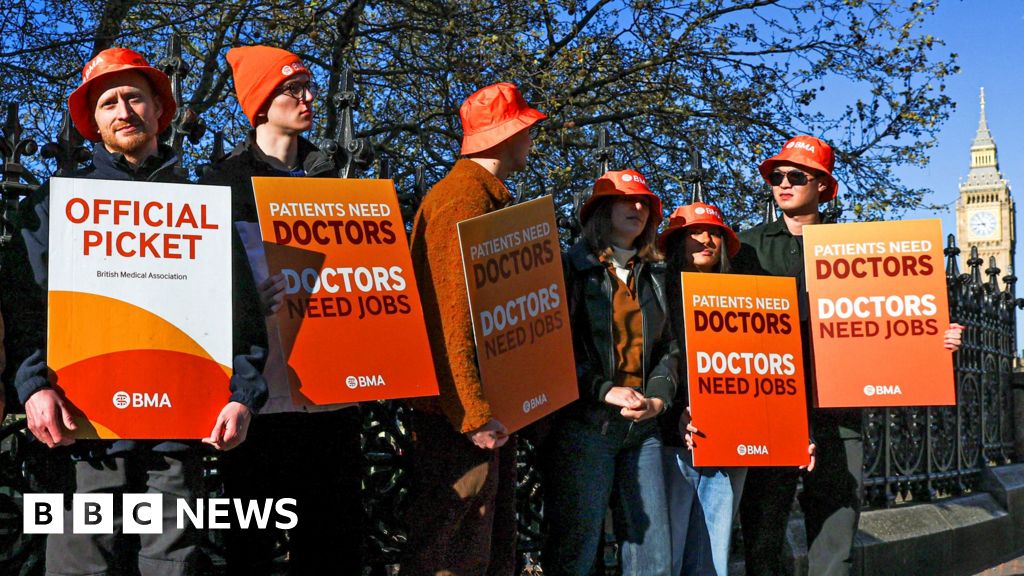

Government Withdraws 1,000 Doctor Posts Amid Strike Action
The UK government has abruptly withdrawn 1,000 new medical training posts after the British Medical Association (BMA) announced plans for strike action, deepening tensions in an already strained healthcare system. The positions, part of a larger initiative to address chronic staffing shortages, were set to be filled this summer but have now been shelved—a move critics say will exacerbate delays in patient care.
The decision follows an overwhelming response to last year’s recruitment drive, where 30,000 applicants—including foreign-trained doctors—competed for just 10,000 available roles. The high demand underscored the severe workforce gaps in the National Health Service (NHS), which has struggled with burnout and emigration of medical professionals.
Why the Posts Were Cut
Officials cited the BMA’s upcoming strikes as the primary reason for the withdrawal, claiming uncertainty over staffing stability made it impossible to proceed. The BMA, which represents doctors across the UK, has been locked in a protracted dispute with the government over pay and working conditions, with junior doctors staging multiple walkouts over the past year.
The cancellation of these posts deals a significant blow to NHS workforce planning. Health leaders had hoped the expansion would ease pressure on hospitals, where waiting lists for routine treatments have reached record highs. Instead, the reversal signals further disruption for patients and staff alike.
Global Competition for Talent
The scrapped recruitment also highlights the UK’s reliance on international medical graduates. Last summer’s applicant pool included thousands of foreign-trained doctors, reflecting Britain’s appeal as a destination for healthcare workers. However, critics argue that the government’s inconsistent policies—expanding recruitment only to retract offers—could deter future talent.
“This isn’t just about numbers; it’s about trust,” said Dr. Sarah Reynolds, a London-based consultant. “When posts vanish overnight, it sends a message that the system isn’t reliable. That affects morale here and our reputation abroad.”
Political and Public Backlash
Opposition leaders have condemned the move as short-sighted, accusing the government of punishing the NHS for its own failure to resolve labor disputes. Shadow Health Secretary Wes Streeting called the withdrawal “an act of sabotage,” warning it would prolong waiting times and endanger patients.
Public health advocates echoed those concerns, noting that the NHS is already operating with 10,000 fewer doctors than needed. With winter flu season approaching, the loss of potential hires could stretch services to breaking point.
What Happens Next?
The BMA has urged ministers to return to negotiations, but neither side has shown signs of backing down. Analysts warn that without a resolution, further strikes and recruitment freezes could follow—creating a vicious cycle of attrition and discontent.
Long-term, the controversy raises questions about the sustainability of NHS workforce strategies. As other countries aggressively recruit doctors, the UK risks falling behind in the global competition for skilled professionals. For now, patients and overworked staff brace for more turbulence ahead.
The government insists it remains committed to hiring more doctors but has not set a new timeline for filling the axed positions. With no clear path forward, the crisis looks set to deepen.
