



Who Profits from Inflation? The Complex Economics Behind Rising Prices
As inflation continues to grip economies worldwide, a pressing question emerges: who benefits from rising prices? While consumers grapple with shrinking purchasing power and governments scramble to rein in inflation, certain sectors and entities quietly reap substantial profits. From multinational corporations to commodity traders, the winners of inflation are often hidden in plain sight. Understanding who profits from this economic phenomenon sheds light on the uneven impacts of global inflation and raises critical questions about fairness and regulation in a volatile economic landscape.
Inflation, defined as the sustained increase in the general price level of goods and services, is often perceived as a universal economic ill. However, the reality is more nuanced. While it erodes the purchasing power of households and increases the cost of living, inflation can also create opportunities for specific industries and stakeholders. The current wave of inflation, driven by a confluence of factors including supply chain disruptions, geopolitical conflicts, and post-pandemic economic recovery, has amplified these dynamics.
Corporate Profits: A Silver Lining in the Inflation Storm
One of the most significant beneficiaries of inflation is the corporate sector, particularly companies with pricing power. Firms that can pass on higher costs to consumers without losing market share often see their profit margins expand. For instance, multinational corporations in sectors like energy, technology, and consumer goods have reported record-breaking earnings in recent quarters. Companies such as ExxonMobil, Apple, and Procter & Gamble have all capitalized on their ability to raise prices while maintaining strong demand for their products.
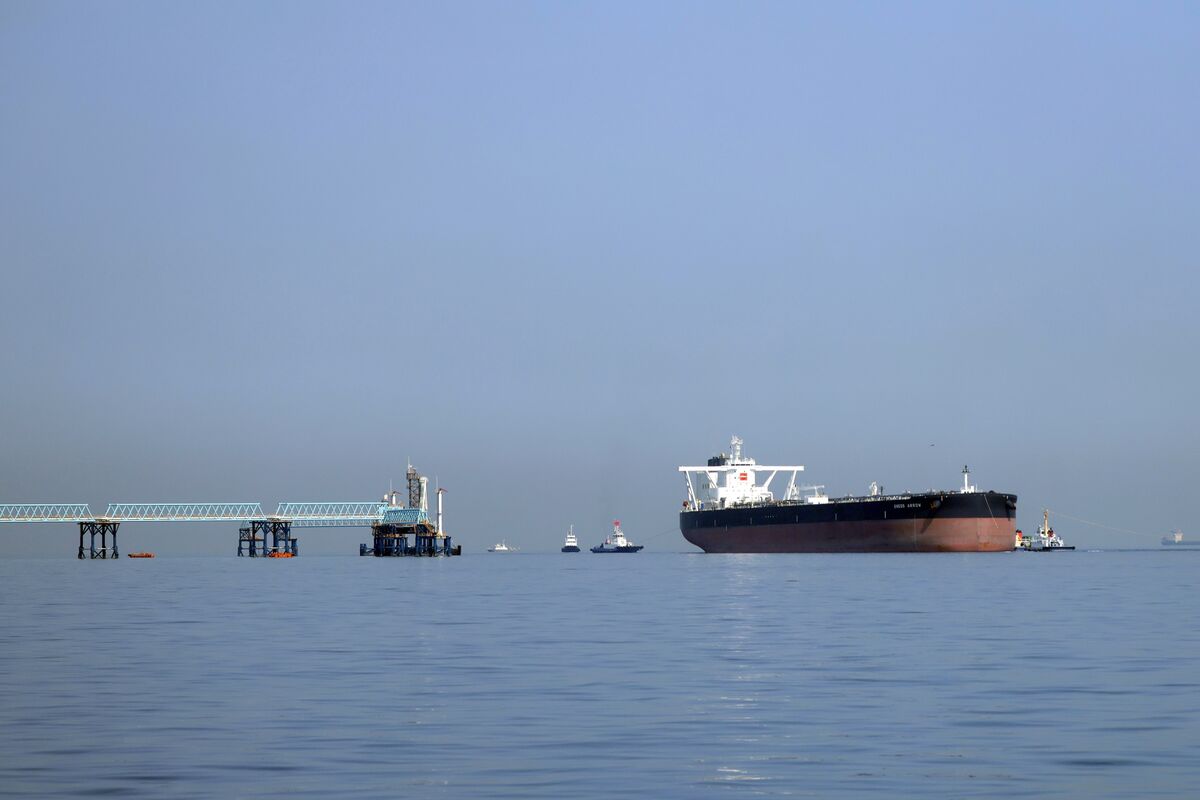
The energy sector has been a standout winner amid rising prices. As global energy markets grapple with supply constraints exacerbated by the war in Ukraine, oil and gas companies have enjoyed windfall profits. In 2022, ExxonMobil reported a staggering $56 billion in annual profits, its highest in over a decade. Similarly, European energy giants like Shell and BP have posted record earnings, fueled by skyrocketing oil and gas prices. Critics argue that while these profits benefit shareholders, they come at the expense of consumers facing higher fuel and energy bills.
Commodity Traders: Navigating Market Volatility
Another group that thrives in inflationary environments is commodity traders. These intermediaries, who buy and sell raw materials like oil, gas, metals, and agricultural products, capitalize on price volatility and supply shortages. Companies like Glencore, Trafigura, and Vitol have seen their revenues surge as geopolitical tensions and economic uncertainty drive commodity prices to historic highs.
The war in Ukraine, for example, has disrupted global grain and fertilizer supplies, creating lucrative opportunities for traders who can navigate the complexities of these markets. While their role is crucial in ensuring the flow of essential goods, critics accuse some traders of exploiting crises to maximize profits, raising ethical concerns about their impact on global food security and stability.
Investors: Hedging Against Inflation
For investors, inflation presents both challenges and opportunities. While traditional fixed-income investments like bonds tend to lose value in inflationary periods, other asset classes can offer protection and growth. Real estate, for instance, often appreciates in value during inflation, making it a favored investment. Similarly, commodities like gold and silver are seen as inflation hedges, as their value tends to rise when the purchasing power of fiat currencies declines.
Stocks of companies with strong pricing power and those in sectors like energy and infrastructure also tend to perform well during inflationary periods. Hedge funds and private equity firms, equipped with sophisticated strategies, have capitalized on market volatility to generate outsized returns. However, these gains are not without controversy, as some argue that speculative trading can exacerbate price instability and deepen economic inequality.
Government Revenues and Fiscal Policy
On the fiscal side, governments can also benefit from inflation in certain circumstances. Higher prices lead to increased tax revenues, particularly from sales taxes and corporate taxes. Additionally, inflation reduces the real value of government debt, effectively easing the burden of public borrowing. However, these benefits are often offset by the need to increase public spending on social programs and subsidies to mitigate the impact of inflation on vulnerable populations.
In some cases, governments have implemented windfall taxes on companies profiting from inflation, particularly in the energy sector. Countries like the UK and Italy have introduced such measures to redistribute excess profits and fund relief programs for households and businesses. While these policies aim to address public anger over corporate profiteering, they also raise concerns about potential disincentives for investment and innovation.
The Uneven Impact on Society
While certain sectors and entities profit from inflation, the broader societal impact is often deeply negative. Rising prices disproportionately affect low- and middle-income households, which spend a larger share of their income on essentials like food, housing, and energy. This exacerbates economic inequality and can fuel social unrest, as seen in protests across Europe and other regions over the past year.
Moreover, inflation complicates central banks’ efforts to stabilize economies. Interest rate hikes, the primary tool for combating inflation, can slow economic growth and increase unemployment, creating a delicate balancing act for policymakers. The resulting uncertainty further underscores the need for comprehensive strategies to address the root causes of inflation and its uneven consequences.
A Global Challenge Requiring Global Solutions
The current inflationary environment is a stark reminder of the interconnectedness of the global economy. Supply chain disruptions, geopolitical tensions, and climate change all play a role in driving prices higher, necessitating coordinated responses from governments, businesses, and international organizations.
Efforts to curb inflation must also address its distributional impacts, ensuring that the benefits of economic growth are shared more equitably. This includes stronger regulatory frameworks to prevent predatory pricing and profiteering, as well as targeted support for vulnerable populations.
As the world navigates this complex economic landscape, one thing is clear: while some profit from inflation, the broader societal costs demand urgent attention. Balancing economic resilience with fairness remains a formidable challenge, requiring bold and inclusive solutions. Whether policymakers and industry leaders rise to the occasion will shape the trajectory of the global economy for years to come.
