



Autonomous Vehicle Kills Beloved Duck in Austin, Raising Safety Concerns Over Robotaxis
A tragic incident involving a self-driving car and a local duck has ignited debate about the readiness of autonomous vehicles for public roads—and whether technology can ever replace human judgment.
Austin, Texas – In the idyllic Mueller Lake Park neighborhood of Austin, a community’s affection for a resident duck has collided with the relentless march of autonomous vehicle technology. The death of the bird—crushed by an Avride self-driving car—has sparked outrage, distrust, and difficult questions about the limitations of artificial intelligence in navigating unpredictable real-world environments.
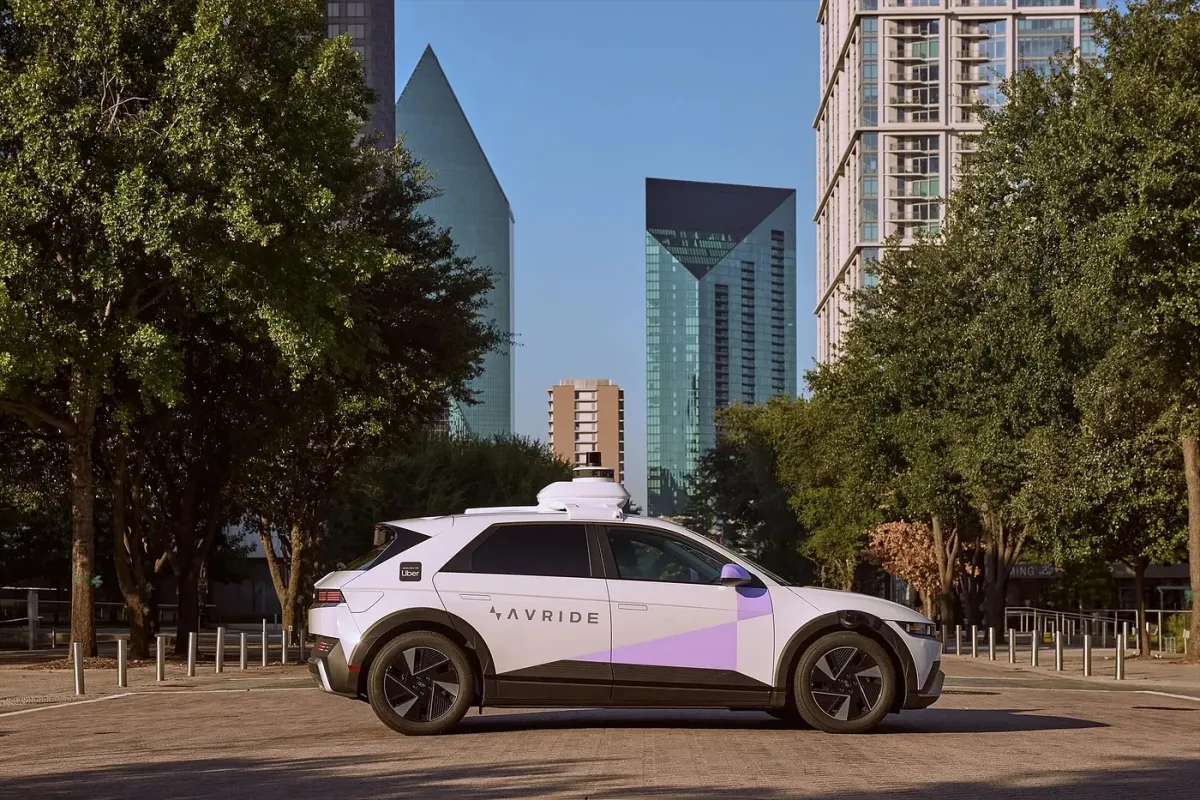
While human drivers kill countless animals on roads every day, this particular incident has struck a nerve. The duck, a familiar sight nesting near a popular Italian restaurant, was struck and killed by an Avride robotaxi operating in autonomous mode, despite a human safety operator being present in the driver’s seat. According to a resident’s Facebook post, which was later reported by local news outlet KXAN, the vehicle “didn’t slow down or hesitate at all, just steamrolled through.”
A Community in Mourning, a Company in Damage Control
The emotional response from Mueller residents underscores a broader tension between technological progress and public sentiment. Unlike anonymous roadkill, this duck was a recognized local figure, its eggs now being cared for in an incubator by concerned neighbors, as reported by Axios Austin. The incident has amplified skepticism about whether autonomous vehicles—despite their touted safety benefits—can ever fully account for the nuances of shared urban spaces.
Avride, the company behind the vehicle, confirmed to TechCrunch that the car was indeed in autonomous mode at the time of the incident. While the firm has not suspended testing entirely, it has adjusted its operational boundaries, excluding certain streets near Mueller Lake as a precaution. Yulia Shveyko, an Avride spokesperson, stated that the company has thoroughly reviewed sensor data and recreated the scenario in simulation to assess potential improvements.
However, the controversy deepened when the same resident alleged that the vehicle failed to stop at a stop sign—a claim Avride disputes. According to the company’s internal review, the car adhered to all traffic controls. Still, the perception of negligence has fueled distrust, highlighting the public relations challenges facing autonomous vehicle operators.
The Bigger Picture: Austin as a Testing Ground for Robotaxis
Austin has emerged as a key battleground for autonomous vehicle deployment, with multiple companies—including Zoox, Tesla, and Waymo (in partnership with Uber)—operating commercial robotaxi services in the city. The rapid expansion of these services has been met with both enthusiasm and apprehension, as residents weigh the promise of reduced human error against fears of unproven technology.
The Mueller duck incident is far from the first time autonomous vehicles have faced scrutiny over safety. In San Francisco, Waymo and Cruise vehicles have been involved in high-profile mishaps, from blocking emergency responders to driving into wet concrete. Each incident renews debates over regulation, corporate accountability, and whether self-driving cars are truly ready for mass adoption.
Can AI Ever Replace Human Instincts?
One of the most pressing questions raised by the Austin incident is whether AI-driven vehicles can ever replicate the split-second moral judgments humans make—such as swerving to avoid an animal or recognizing an unexpected obstacle. While autonomous systems excel at following rules and detecting predefined hazards, they may struggle with ambiguous scenarios where instinct, empathy, or contextual awareness come into play.
Avride says it is now running simulations to refine its algorithms, ensuring that future updates don’t compromise safety in other scenarios. But critics argue that no amount of programming can fully anticipate the unpredictability of real-world driving.
A Global Debate on the Ethics of Autonomous Vehicles
The incident has resonated beyond Austin, tapping into a growing global conversation about the ethics of self-driving technology. If a robotaxi can’t avoid a duck, how will it handle more complex moral dilemmas, like choosing between hitting an animal or swerving into pedestrian traffic?
Regulators, too, are watching closely. While the U.S. lacks federal legislation specifically governing autonomous vehicles, states like California and Texas have taken differing approaches—some embracing testing with minimal restrictions, others imposing stricter oversight. The duck’s death may prompt calls for clearer safety benchmarks, particularly concerning wildlife and pedestrian interactions.
Conclusion: Progress vs. Prudence
As autonomous vehicles inch closer to widespread adoption, incidents like the one in Mueller Lake serve as sobering reminders of the technology’s limitations. For now, the question remains: Can self-driving cars ever earn the public’s trust, or will every mishap—no matter how small—reinforce fears that machines lack the discernment of human drivers?
For the residents of Mueller, the loss of a beloved duck is more than a technical glitch—it’s a symbol of the uneasy relationship between innovation and the living, breathing world it seeks to navigate. As companies like Avride refine their systems, the challenge will be proving that autonomy doesn’t come at the cost of compassion.
