



Georgia and Wisconsin Elections Signal Shifting Political Tides
In a surprising turn of events, Tuesday night’s elections in Georgia and Wisconsin delivered significant victories for Democrats, signaling a potential shift in the political landscape as the 2026 midterm elections approach. While Republicans maintained key wins, the margins and voter enthusiasm revealed a notable drift toward Democratic candidates in traditionally conservative strongholds.
In Georgia’s 14th Congressional District, Republican Clay Fuller secured a win in the special election to replace Marjorie Taylor Greene, but the victory came with a stark warning for the GOP. Despite Fuller’s comfortable margin, all 10 counties in the district shifted toward the Democratic candidate by double-digit percentages compared to the 2024 presidential election. This marks the largest Democratic surge—approximately 25 points—in any congressional race since President Donald Trump began his second term in 2025.
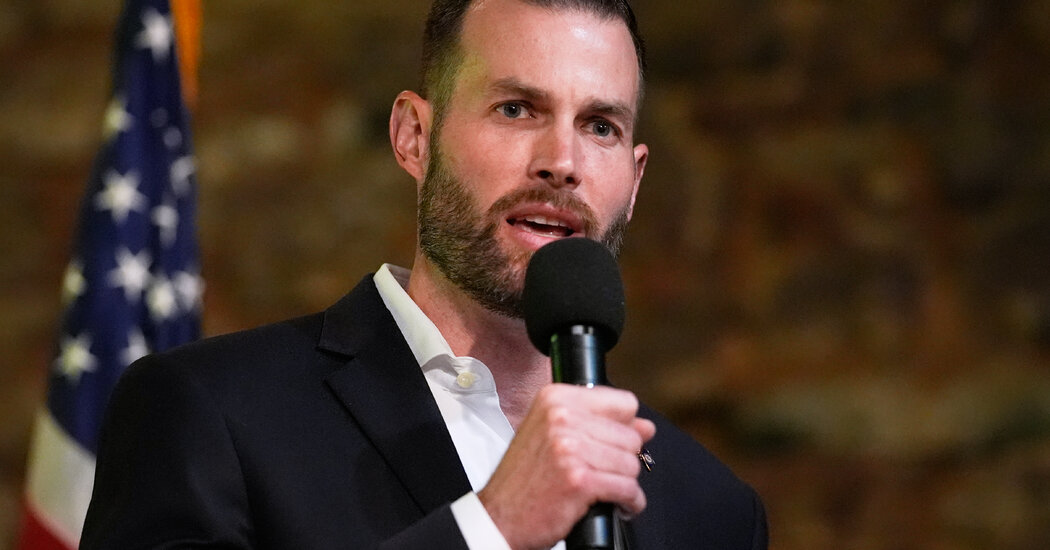
Shawn Harris, the Democratic challenger, framed his loss as a moral victory. “If Democrats, independents, and Republicans can do this in a ruby-red district, the Democrats can win anywhere,” Harris said after the results were announced. “Nobody ever thought that we would ever be this close.”
The Georgia race, previously a Republican stronghold where Trump secured 68% of the vote in 2024, has become a focal point for both parties. Democrats view the results as a potential harbinger of success in competitive House and Senate races later this year, particularly in states like Alaska, Iowa, Ohio, and Texas.
Meanwhile, in Wisconsin, liberal Supreme Court candidate Chris Taylor secured a commanding victory over conservative opponent Maria Lazar, further solidifying a 5-2 liberal majority on the state’s highest court. Taylor’s win, which came by a wider margin than previous liberal triumphs in 2023 and 2025, underscores the growing challenges Republicans face in Wisconsin’s off-year elections.
Wisconsin’s judicial races have become increasingly nationalized, drawing significant attention and funding. However, this year’s contest saw minimal Republican investment, with Lazar spending less than $1 million and receiving little support from outside groups. Ben Wikler, former chairman of the Democratic Party of Wisconsin, attributed the outcome to a combination of Trump’s polarizing influence, economic concerns, and heightened voter engagement.
“Since the 2025 Supreme Court rout, Trump has only gotten more extreme and unhinged, daily life has become even less affordable, and the voters most closely tracking the news have reached volcanic levels of outrage,” Wikler said.
The results also revealed a striking shift in Waukesha County, a longtime Republican stronghold. Once a reliable source of GOP votes—Mitt Romney won 67% of the county in 2012—conservative candidates are now struggling to maintain their dominance. Lazar secured just 54% of the vote in Waukesha County, four points less than the conservative candidate in the 2025 Supreme Court race.
This erosion of Republican support in Waukesha County is particularly worrisome for the party, as winning statewide elections in Wisconsin requires substantial margins in suburban conservative areas to offset Democratic strongholds in Milwaukee and Madison.
Adding to the Democratic momentum, Alicia Halvensleben, a Democrat on Waukesha’s Common Council, defeated Republican State Representative Scott Allen in the city’s mayoral race. This marks a significant victory for Democrats in a community long considered a GOP bastion.
The Georgia and Wisconsin results come at a pivotal moment in American politics, as both parties prepare for the 2026 midterm elections. While Republicans retained control in Georgia’s special election, the dramatic shift toward Democrats raises questions about the durability of GOP support in traditionally red districts.
For Democrats, the outcomes in Georgia and Wisconsin serve as a rallying cry. In Georgia, the party has already begun to frame the results as a boost for Senator Jon Ossoff, who is seeking re-election this fall. In Wisconsin, the continued success of liberal Supreme Court candidates highlights the party’s ability to mobilize voters in low-turnout elections and underscores the growing influence of suburban voters.
As the midterm campaign season heats up, both parties will closely analyze Tuesday’s results to refine their strategies. For Republicans, the races serve as a warning: even in safe districts, voter enthusiasm cannot be taken for granted. For Democrats, the outcomes offer a glimpse of potential opportunities to expand their influence in key battleground states.
The 2026 midterms will ultimately test whether Tuesday’s trends are a temporary blip or a sign of broader shifts in the American political landscape. For now, the message is clear: the road to victory in November will be fiercely contested, and no party can afford to rest on its laurels.
Tim Balk contributed to this report.
