



Singapore Announces Energy Conservation Measures for Government Facilities Amid Global Energy Crisis
In a decisive move to safeguard its energy resilience, Singapore has unveiled plans to reduce electricity consumption across its government facilities. The initiative comes as the ongoing conflict in the Middle East exacerbates already strained global energy supplies, prompting nations worldwide to reassess their energy strategies. As a small, resource-scarce nation highly dependent on imports, Singapore’s proactive measures underscore its vulnerability to external disruptions and its commitment to bolstering long-term sustainability.
The announcement, made by the Singaporean government earlier this week, outlines a series of energy-saving measures targeting public sector operations. These include optimizing air conditioning usage, reducing lighting in non-essential areas, and upgrading energy-efficient systems in government buildings. The initiative is part of a broader strategy to enhance energy security amid geopolitical uncertainties and volatile global markets.
Global Context: A Perfect Storm of Energy Challenges
The Middle East, a critical hub for global oil and gas production, has been rocked by escalating conflicts that have disrupted supply chains and driven up energy prices. The ongoing tensions, coupled with the lingering effects of the Russia-Ukraine war, have created a “perfect storm” of energy challenges for nations heavily reliant on imported fuels. For Singapore, which imports nearly all of its energy needs, the situation is particularly precarious.
According to the International Energy Agency (IEA), global energy markets have been under immense pressure since 2022, with fluctuating oil prices and supply shortages becoming a recurring issue. The Middle East conflict has further intensified these pressures, raising concerns about long-term energy stability. In response, countries worldwide are increasingly turning to conservation measures, renewable energy investments, and diversification of energy sources to mitigate risks.
Singapore’s Energy Landscape: Challenges and Strengths
As a global financial hub and one of the world’s most densely populated countries, Singapore’s energy demands are substantial. The nation relies heavily on natural gas, which accounts for about 95% of its electricity generation. While natural gas is cleaner than coal or oil, its reliance on a single source underscores the country’s vulnerability to supply disruptions.
In recent years, Singapore has made significant strides in diversifying its energy mix. The government has invested heavily in solar energy, floating solar farms, and regional power grids. However, these efforts are still in their infancy and cannot yet replace the nation’s dependence on natural gas. Against this backdrop, energy conservation emerges as a critical short-term solution to enhance resilience.
The New Measures: A Focus on Efficiency
The latest energy-saving measures target government facilities, which account for a significant portion of the nation’s electricity consumption. Key initiatives include:
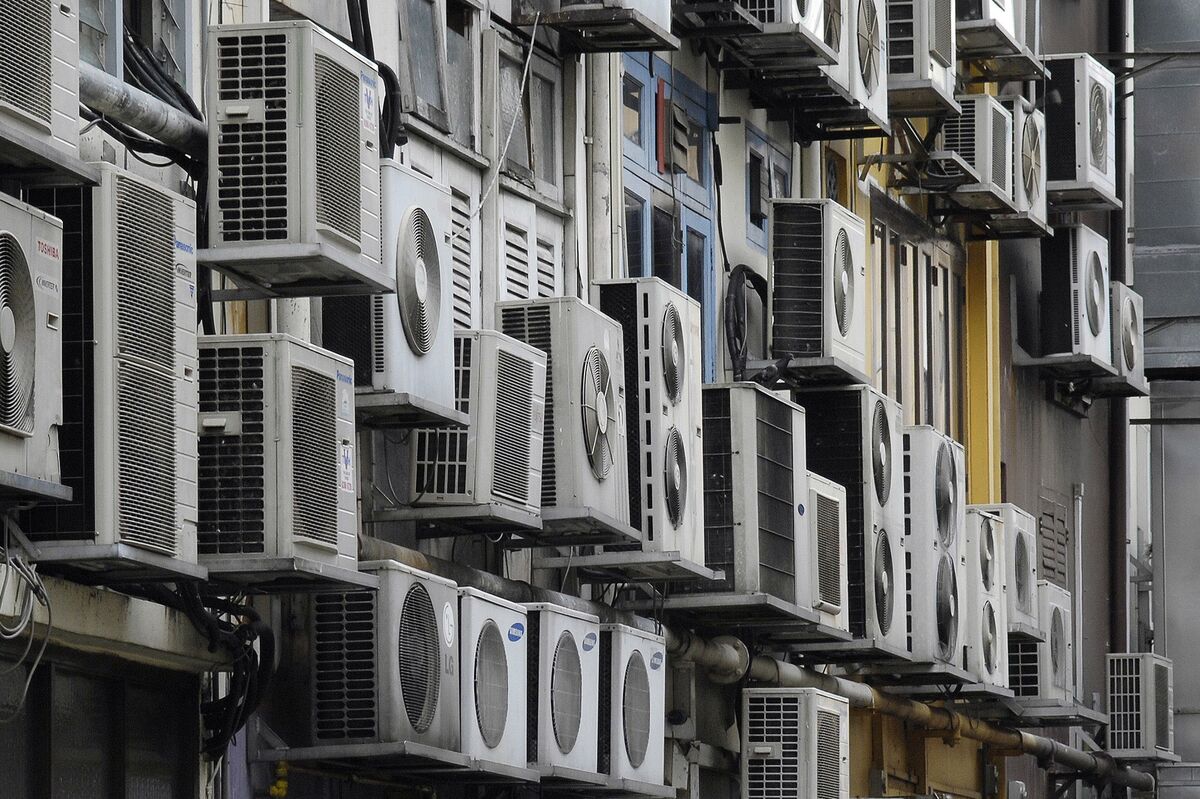
- Optimizing Air Conditioning Usage: Government buildings will maintain indoor temperatures at 24°C or higher, a slight adjustment from previous settings that could yield significant energy savings.
- Reducing Lighting: Non-essential lighting, such as decorative lights and signage, will be switched off during off-peak hours.
- Upgrading Infrastructure: Older government buildings will undergo energy-efficient retrofits, including the installation of LED lighting and energy-saving appliances.
- Promoting Behavioral Change: Public sector employees will be encouraged to adopt energy-saving habits, such as turning off unused equipment and minimizing the use of elevators.
These measures are expected to reduce electricity consumption in government facilities by up to 15%, setting a benchmark for private sector and household energy conservation efforts.
Public and Private Sector Collaboration
While the initial focus is on government facilities, the Singaporean government has emphasized the importance of collective action. Public awareness campaigns will be launched to encourage households and businesses to adopt similar energy-saving practices. The government has also pledged to work closely with private sector stakeholders to identify additional opportunities for energy efficiency.
“Energy conservation is not just the responsibility of the government; it is a collective effort,” said a spokesperson for the Ministry of Sustainability and the Environment. “Every individual, household, and business has a role to play in ensuring Singapore’s energy resilience.”
Broader Implications for Sustainability
Beyond immediate energy security concerns, Singapore’s conservation measures align with its long-term sustainability goals. The government has set ambitious targets to halve peak emissions by 2050 and achieve net-zero emissions by mid-century. Energy efficiency is a cornerstone of this strategy, complementing investments in renewable energy and carbon capture technologies.
The current crisis also highlights the need for accelerated innovation in the energy sector. Singapore has positioned itself as a regional leader in clean energy research, partnering with international organizations and companies to develop cutting-edge solutions. These efforts are critical to reducing the nation’s reliance on fossil fuels and building a more sustainable future.
Balancing Act: Energy Security vs. Economic Growth
Reducing energy consumption is not without its challenges. As a major business hub, Singapore must balance energy conservation with the need to maintain economic competitiveness. Excessive restrictions could hinder productivity and deter investment, particularly in energy-intensive industries.
However, the government has assured stakeholders that the measures will be implemented thoughtfully to minimize disruptions. “Our goal is to enhance energy resilience without compromising economic growth,” the spokesperson added. “These are carefully calibrated steps designed to safeguard both our immediate needs and our long-term ambitions.”
Global Lessons: A Model for Resource-Scarce Nations
Singapore’s approach offers valuable lessons for other resource-scarce nations grappling with energy insecurity. By prioritizing energy efficiency and fostering a culture of conservation, countries can reduce their vulnerability to external shocks while advancing sustainability goals.
The initiative also underscores the interconnectedness of global energy markets. As nations navigate the complexities of geopolitics and climate change, collaboration and shared solutions will be essential to ensuring a stable and sustainable energy future.
Conclusion: A Resilient Path Forward
Singapore’s energy conservation measures reflect a pragmatic and forward-thinking approach to addressing immediate challenges while laying the groundwork for long-term resilience. As the world continues to grapple with geopolitical tensions and climate change, the nation’s efforts serve as a reminder that energy security is not just about supply—it’s about managing demand wisely.
While the road ahead remains uncertain, Singapore’s commitment to sustainability and innovation positions it well to navigate the evolving energy landscape. As one official aptly put it, “In times of crisis, resilience is not just a goal—it’s a necessity.”
