


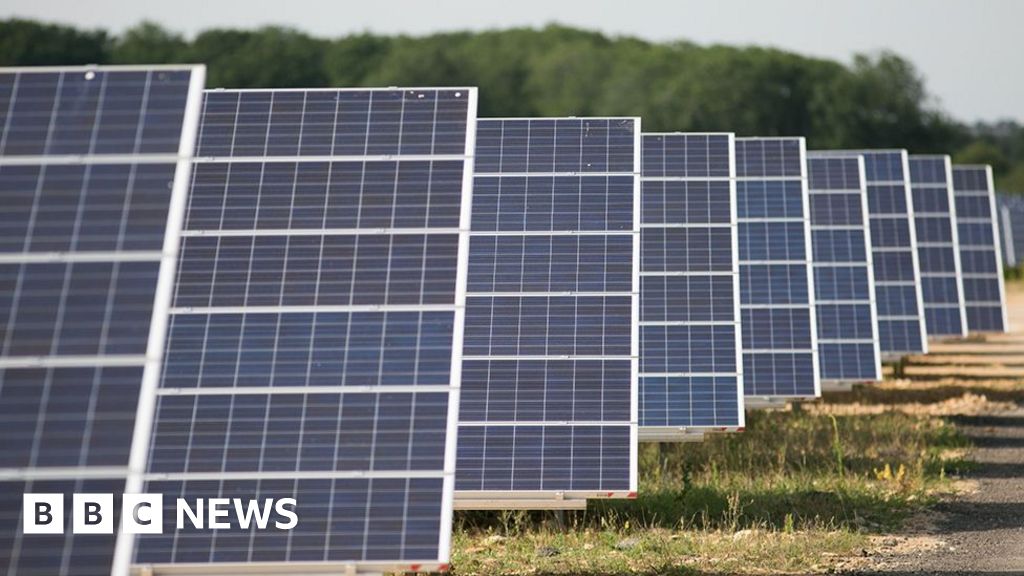

Massive Solar Farm Project Set to Transform North Kesteven Landscape
North Kesteven, England, is poised to become home to one of the largest solar farms in the United Kingdom, as plans for the Springwell Solar Farm gain momentum. Spanning an area equivalent to 1,700 football pitches, the ambitious renewable energy project signals a significant step in the UK’s transition to cleaner energy sources.
The proposed solar farm, to be developed by Springwell Energy Ltd., aims to harness solar power on an unprecedented scale in the region. Located in the rural heart of Lincolnshire, the project will cover approximately 1,200 hectares, making it one of the most expansive renewable energy initiatives in the country.
A Driving Force in Renewable Energy
The Springwell Solar Farm is part of a broader effort by the UK government to meet its ambitious climate targets. The country has pledged to achieve net-zero carbon emissions by 2050, and renewable energy projects like this are critical to that goal. Solar energy, in particular, has emerged as a key player in the UK’s energy mix, with solar farms contributing significantly to the national grid.
The project is expected to generate enough electricity to power approximately 150,000 homes annually, reducing reliance on fossil fuels and cutting greenhouse gas emissions by an estimated 200,000 tons per year. This would mark a substantial contribution to the UK’s carbon reduction efforts, particularly in the East Midlands, where renewable energy infrastructure is still expanding.
Local Impact and Community Engagement
While the project promises environmental benefits, it has sparked mixed reactions among local residents and stakeholders. Proponents argue that the solar farm will create jobs during the construction phase and provide long-term economic benefits through local investment. Additionally, the site could offer opportunities for biodiversity enhancement, with plans to integrate wildlife habitats and pollinator-friendly zones within the solar farm’s footprint.
However, some residents have expressed concerns about the visual impact of the project on the rural landscape, as well as potential disruptions during construction. In response, Springwell Energy Ltd. has committed to engaging with the community throughout the development process, holding public consultations to address concerns and ensure transparency.
Lincolnshire County Council, which oversees planning permissions, has emphasized the need to balance renewable energy goals with the preservation of the area’s natural beauty. The council is expected to review the project’s environmental impact assessment in the coming months, with a decision likely to shape the future of renewable energy development in the region.
A National and Global Context
The Springwell Solar Farm comes at a pivotal moment for the UK’s renewable energy sector. The country has made significant strides in reducing its carbon footprint, with renewables now accounting for over 40% of electricity generation. Solar power, however, still lags behind wind energy in terms of installed capacity, and projects like Springwell could help bridge that gap.
Globally, the push for renewable energy has intensified in the wake of escalating climate crises. The International Energy Agency (IEA) has called for a rapid expansion of solar energy to meet global climate targets, and countries around the world are investing heavily in solar infrastructure. The UK’s commitment to large-scale projects like Springwell Solar Farm underscores its role as a leader in the global energy transition.
Future Implications
If approved, the Springwell Solar Farm could set a precedent for similar projects across the UK and beyond. Its success would demonstrate the viability of large-scale renewable energy initiatives, encouraging further investment in solar power and accelerating the shift away from fossil fuels.
Looking ahead, the project could also pave the way for innovations in energy storage and distribution. As solar farms generate intermittent energy, advances in battery technology will be essential to maximize their efficiency and reliability. This could spur collaborations between energy companies, researchers, and policymakers to develop cutting-edge solutions for renewable energy integration.
In the short term, the Springwell Solar Farm represents a bold step toward a greener future. In the long term, it could inspire a wave of renewable energy projects that reshape the global energy landscape. For North Kesteven and the UK, the stakes are high—but so are the potential rewards.
As the planning process unfolds, all eyes will be on this corner of Lincolnshire, where the future of renewable energy is taking shape, one solar panel at a time.
