



A Fragile Truce in Tehran: US and Iran Agree to Ceasefire Amid Rising Tensions
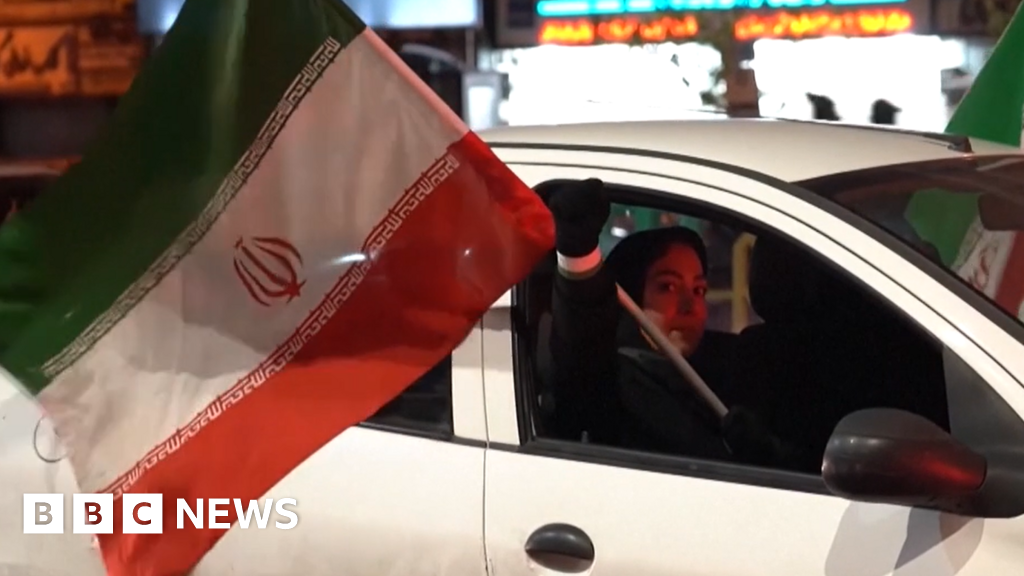
In the bustling streets of Tehran, crowds erupted in celebration, waving flags and chanting slogans as the United States and Iran announced a conditional two-week ceasefire on Monday. The agreement, brokered amidst escalating hostilities in the Gulf region, marks a temporary pause in a conflict that has threatened to destabilize global energy markets and ignite a broader regional war. While the truce offers a glimmer of hope, its fragility underscores the deep-rooted animosity between the two nations and the precarious geopolitical landscape.
The ceasefire comes after more than a month of escalating tensions, triggered by joint US-Israel military strikes on Iranian targets, which prompted retaliatory attacks by Iran across the Gulf. The Strait of Hormuz, a critical chokepoint for global oil shipments, became a flashpoint, with Iran threatening to disrupt maritime traffic. The US, in turn, intensified its military presence in the region, raising fears of a prolonged confrontation. The agreement, mediated by Pakistani Prime Minister Shehbaz Sharif, stipulates that Iran will allow safe passage for ships through the Strait of Hormuz in exchange for Washington halting its attacks. The ceasefire is effective immediately, though its long-term viability remains uncertain.
The Broader Context: A Region on the Brink
The US-Iran conflict has long been a focal point of Middle Eastern geopolitics, shaped by decades of mistrust, proxy wars, and nuclear ambitions. Recent escalations have drawn in regional players, including Israel and Gulf states, while global powers like China and Russia watch closely. The Strait of Hormuz, through which roughly 20% of the world’s oil supply passes, has become a symbol of the high stakes involved. Any disruption to shipping routes could send oil prices skyrocketing, impacting economies worldwide.
The ceasefire also highlights the delicate role of mediators in de-escalating crises. Pakistan, a country with historical ties to both Washington and Tehran, played a pivotal role in facilitating negotiations. Prime Minister Sharif’s involvement underscores Islamabad’s strategic positioning as a neutral actor in a polarized region. His statement emphasized the need for dialogue and the immediate cessation of hostilities, though he acknowledged the challenges ahead.
Why This Matters Globally
The implications of this ceasefire extend far beyond the Middle East. For global energy markets, the stability of the Strait of Hormuz is critical. Any escalation could disrupt oil supplies, driving up prices and exacerbating inflation in economies already grappling with post-pandemic recovery. For the US, the agreement represents a balancing act between deterring Iranian aggression and avoiding entanglement in another protracted conflict.
For Iran, the ceasefire offers a temporary reprieve from relentless economic and military pressure. The country has been grappling with severe sanctions, internal unrest, and a deteriorating economy. While the truce does not address these underlying issues, it provides a brief window to regroup and reassess its strategy.
The involvement of regional and global powers also underscores the interconnectedness of modern conflicts. Israel, a key US ally, has been vocal in its opposition to any concessions to Iran, fearing a weakening of deterrence. Meanwhile, China and Russia, both of which have vested interests in the region, view the ceasefire as an opportunity to position themselves as alternative mediators.
The Road Ahead: Challenges and Uncertainties
While the ceasefire is a significant development, its conditional nature raises questions about its sustainability. Both sides have differing interpretations of the agreement’s terms, and mistrust remains deeply entrenched. The US has emphasized that any resumption of Iranian aggression will be met with a swift response, while Iran has warned that it will not tolerate violations of its sovereignty.
The role of third-party actors, particularly Israel, adds another layer of complexity. Israeli leaders have expressed skepticism about the ceasefire, arguing that it emboldens Iran and undermines regional security. Any provocative actions by Israel or Iranian-backed militias could easily reignite hostilities.
Domestically, the ceasefire faces mixed reactions. In Tehran, celebratory crowds reflect a desire for peace, but hardliners remain wary of US intentions. In Washington, the agreement has drawn criticism from hawkish lawmakers who advocate for a tougher stance on Iran.
A Moment of Hope, but Fragility Remains
The US-Iran ceasefire represents a rare moment of reprieve in a region often characterized by unrelenting conflict. For the global community, it offers a reminder of the importance of diplomacy in averting crises that could have far-reaching consequences. However, the fragility of the agreement underscores the need for sustained dialogue and confidence-building measures.
As the world watches, the coming weeks will be critical in determining whether this ceasefire can pave the way for a more enduring resolution or merely serve as a temporary pause in an ongoing cycle of hostility. For now, the streets of Tehran may be filled with cheers, but the shadows of uncertainty loom large, reminding us of the delicate balance between war and peace.
