


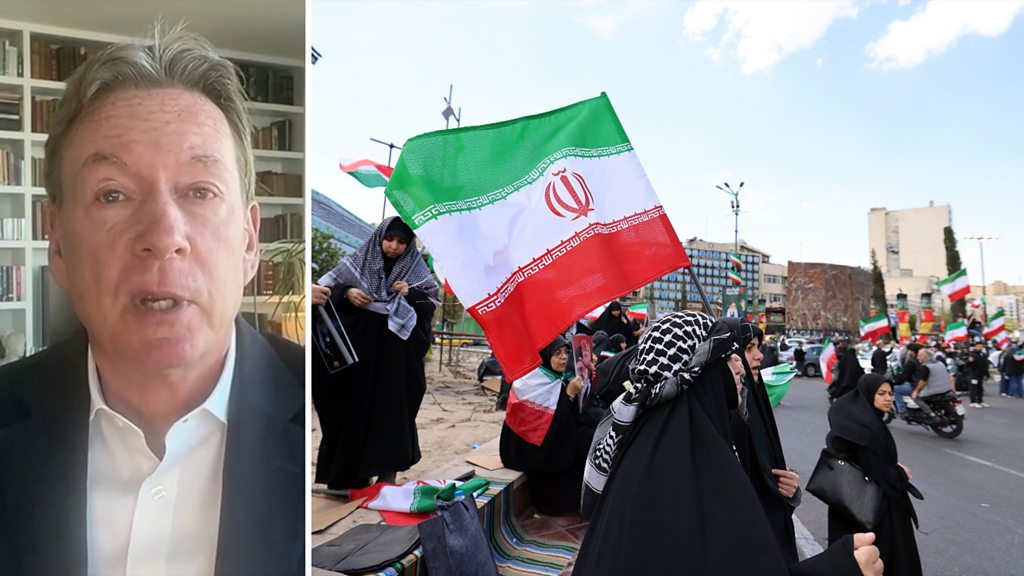

Escalating Tensions in the Strait of Hormuz: A Global Flashpoint
The Strait of Hormuz, a narrow waterway no wider than 21 miles at its narrowest point, has once again become the epicenter of global tension. As Iranian officials vow to reopen the strait and assert their “victory in the field,” the international community watches with bated breath. This critical maritime chokepoint, through which nearly 20% of the world’s oil supply flows, is not just a regional concern but a global one. The stakes are high, and the rhetoric hotter than ever, as both Iran and its adversaries claim victory in a standoff that could reshape geopolitical dynamics in the Middle East and beyond.
The Strait of Hormuz: A Lifeline and a Battleground
The Strait of Hormuz, located between Iran and Oman, is the most important oil transit waterway in the world. Every day, millions of barrels of oil pass through it, destined for markets in Asia, Europe, and the Americas. Its closure or disruption would send shockwaves through the global economy, driving up energy prices and destabilizing already fragile markets. For decades, the strait has been a flashpoint in the tensions between Iran and the West, particularly the United States and its allies.
Iran’s recent announcement that it will reopen the strait comes amid a broader standoff with Western powers. Tehran has long viewed control of the waterway as a strategic lever, using it to exert pressure in negotiations over its nuclear program and economic sanctions. The recent declarations of victory by Iranian officials suggest a deepening confidence in their ability to navigate this high-stakes geopolitical chessboard.
Claims of Victory and Political Maneuvering
Both sides in this escalating conflict have been quick to claim the upper hand. Iranian officials have framed their actions as a consolidation of power, stating that their “victory in the field” will be reinforced in upcoming diplomatic talks. This rhetoric underscores Tehran’s strategy of combining military posturing with diplomatic negotiations to achieve its objectives.
Simultaneously, Western nations have emphasized their commitment to maintaining freedom of navigation in the strait. The United States and its allies have deployed naval forces to the region, signaling their readiness to respond to any threats to this vital waterway. The conflicting claims of victory highlight the complex and often opaque nature of modern conflict, where military, economic, and diplomatic tools are wielded simultaneously.
Global Implications: Why This Matters
The escalating tensions in the Strait of Hormuz have far-reaching implications for the global economy and international security. Any disruption to oil flows through the strait would have immediate and severe consequences. Energy prices, already volatile due to the ongoing conflict in Ukraine and other geopolitical uncertainties, could skyrocket, exacerbating inflationary pressures and slowing economic growth worldwide.
For Iran, the strait is not just a strategic asset but a symbol of national sovereignty. Controlling the waterway allows Tehran to project power regionally and challenge Western dominance in the Middle East. However, this strategy comes with risks. Escalating tensions could lead to miscalculations or unintended confrontations, potentially sparking a broader conflict that could draw in global powers.
Beyond economics, the situation underscores the fragility of international security in an increasingly multipolar world. As traditional power structures shift, regional actors like Iran are asserting themselves more forcefully, often testing the limits of international norms and institutions. The Strait of Hormuz serves as a microcosm of these broader dynamics, where local conflicts can quickly escalate into global crises.
The Human Cost: Voices from the Ground
While the geopolitical stakes dominate headlines, the human cost of these tensions is often overlooked. For the millions of people living in the region, the prospect of conflict is a daily reality. Fishermen, merchants, and families who depend on the strait for their livelihoods are caught in the crossfire of this high-stakes standoff. Their stories remind us that behind the rhetoric and saber-rattling lies a deeply personal dimension to this crisis.
A Precarious Path Forward
As the world watches the unfolding situation in the Strait of Hormuz, the path forward remains precarious. Diplomacy offers the best hope for de-escalation, but the window for meaningful dialogue is narrow. Both sides must navigate a delicate balance between asserting their interests and avoiding actions that could spiral into broader conflict.
For the international community, the crisis serves as a stark reminder of the interconnectedness of global security. In a world where local flashpoints can quickly escalate into global crises, vigilance, cooperation, and dialogue are more important than ever.
The Strait of Hormuz, with its narrow waters and outsized significance, stands as a critical juncture in the geopolitical landscape. What happens here will not only shape the Middle East but reverberate across the globe. As tensions rise and rhetoric heats up, the world must brace for the possibility of a crisis that could redefine the rules of international engagement in the 21st century.
In the end, the Strait of Hormuz is more than just a waterway—it is a litmus test for the global order. How the world navigates these troubled waters will determine not only the future of the region but the stability of the world itself.
