


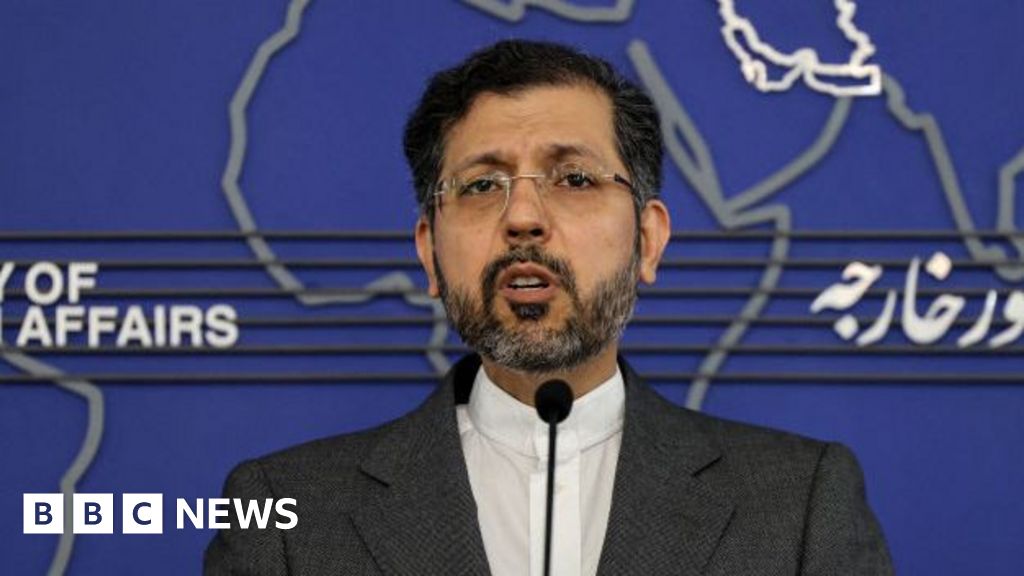

Tensions Escalate as Iran Warns the U.S.: Choose Between War and Ceasefire
The Middle East teeters on the brink of another devastating conflict as Iran’s Deputy Foreign Ali Bagheri Kani issued a stark ultimatum to the United States: “Choose between war and ceasefire.” This provocative statement, made during a high-profile diplomatic meeting in Tehran, underscores the deepening rift between the two nations and raises the specter of a broader regional confrontation. With global powers watching nervously, the implications of this standoff extend far beyond the Persian Gulf, threatening to destabilize an already fragile international order.
A History of Mutual Antagonism
The relationship between Iran and the United States has been fraught with tension for decades, rooted in the 1979 Iranian Revolution and the subsequent hostage crisis. Sanctions, covert operations, and proxy conflicts have characterized the two nations’ interactions, with Iran’s nuclear program serving as a flashpoint. The 2015 Joint Comprehensive Plan of Action (JCPOA), commonly known as the Iran nuclear deal, briefly offered a glimmer of hope, but its collapse in 2018 under the Trump administration reignited hostilities.
Since then, Iran has accelerated its uranium enrichment activities, bringing it closer to weapons-grade capability. Meanwhile, the U.S. has maintained a policy of “maximum pressure” through economic sanctions and military posturing, including the deployment of naval assets to the region. Recent escalations, such as Iran-backed militias targeting U.S. troops in Iraq and Syria, have further strained relations, setting the stage for the current crisis.
The Ultimatum: A Strategic Gamble?
Iran’s latest warning appears to be a calculated move aimed at forcing the Biden administration to reconsider its approach. While the rhetoric is sharp, analysts suggest it may be part of a broader strategy to assert Iran’s leverage in ongoing negotiations. Tehran has long demanded relief from U.S. sanctions as a precondition for resuming compliance with the JCPOA, but talks have stalled amid mutual distrust.
The timing of Bagheri Kani’s statement is significant. It comes as the U.S. strengthens its military presence in the Middle East, including additional deployments to protect shipping lanes in the Red Sea from Houthi attacks, which Iran is accused of supporting. The ultimatum also coincides with growing domestic pressure on both governments. In Iran, economic hardships fueled by sanctions have sparked widespread protests, while in the U.S., President Biden faces criticism from hawkish lawmakers advocating for a tougher stance.
Global Ramifications of Escalating Tensions
The stakes of this confrontation are immense. The Middle East remains a critical geopolitical hotspot, home to vital energy resources and major shipping routes. A full-blown conflict between Iran and the U.S. could disrupt global oil supplies, triggering economic turmoil worldwide. Furthermore, Iran’s strategic alliances with Russia and China add a layer of complexity, potentially drawing other major powers into the fray.
Russia’s involvement in Syria and China’s growing economic ties with Iran suggest that both nations could see an opportunity to challenge U.S. influence in the region. Meanwhile, Israel, a key U.S. ally, has repeatedly warned that it will not tolerate an Iranian nuclear weapon, raising the prospect of unilateral military action. In this volatile environment, even a miscalculation could have catastrophic consequences.
The Human Cost of Prolonged Conflict
Beyond the geopolitical chess game, the escalation threatens to exacerbate humanitarian crises across the Middle East. Millions of people in Yemen, Syria, and Iraq have already endured years of conflict and displacement, often exacerbated by proxy wars involving Iran and the U.S. A new wave of violence would only compound their suffering, straining international aid efforts and fueling refugee flows.
Moreover, the potential for nuclear proliferation looms large. If Iran succeeds in developing nuclear weapons, it could trigger a regional arms race, with Saudi Arabia and Turkey likely seeking their own capabilities. Such a scenario would fundamentally alter the security landscape, posing unprecedented challenges for global nonproliferation efforts.
What Lies Ahead?
The path forward remains uncertain. Diplomacy, though fraught with challenges, offers the best hope of de-escalation. The Biden administration has expressed a willingness to return to the negotiating table, but significant obstacles remain. Iran’s insistence on comprehensive sanctions relief and the U.S. demand for verifiable limits on Iran’s nuclear program represent a high-stakes impasse.
Regional stakeholders, including the European Union and Gulf Cooperation Council countries, could play a crucial mediating role, but their efforts must be bolstered by genuine commitments from both Tehran and Washington. Time is of the essence; the longer the standoff persists, the greater the risk of unintended escalation.
Conclusion: A Pivotal Moment for Global Security
As Iran’s ultimatum echoes across the international stage, the world finds itself at a crossroads. The choice between war and ceasefire is not merely a bilateral decision but one that will reverberate globally. The consequences of failure are dire: unchecked nuclear ambitions, regional destabilization, and untold human suffering. Yet, amid the darkness, there remains a glimmer of hope—that diplomacy, however difficult, can prevail over conflict. For the sake of global peace and security, it must.
The coming weeks will test the resolve of leaders on both sides. The world watches, holding its breath, as the fate of the Middle East—and, by extension, global stability—hangs in the balance.
