


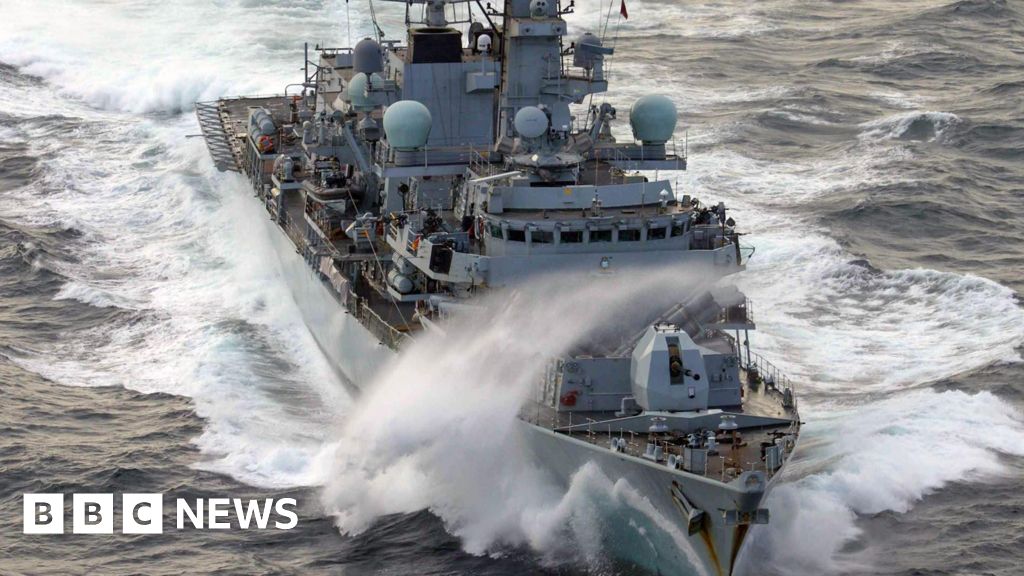

UK Defence Secretary Assures No Damage to Atlantic Infrastructure Amid Rising Tensions
London, United Kingdom — Defence Secretary John Healey has confirmed there is “no evidence” of damage to critical UK infrastructure in the Atlantic Ocean, easing concerns over potential disruptions to undersea cables or energy networks. The statement comes amid heightened global scrutiny over the vulnerability of subsea assets following recent geopolitical tensions and suspected sabotage incidents in other regions.
Reassurance Amid Uncertainty
Speaking at a press briefing in London, Healey emphasized that thorough assessments by the UK Ministry of Defence and allied maritime surveillance agencies found no signs of interference with British underwater infrastructure. “Our monitoring systems remain vigilant, and at this time, we have no evidence of any compromise to these vital networks,” he stated.
The reassurance follows weeks of speculation after unexplained disturbances were reported near undersea communications cables in the North Atlantic earlier this year. While no direct link to the UK was established, the incidents raised alarms among NATO members about the security of transatlantic data and energy corridors.
Why It Matters
Undersea cables and pipelines form the backbone of global communications and energy supplies, carrying over 95% of international data traffic and critical gas exports. The UK’s infrastructure includes key fiber-optic links to North America and Europe, as well as offshore wind farms and oil pipelines. Any disruption could severely impact financial markets, military communications, and domestic energy stability.
Recent years have seen growing concerns over hybrid warfare tactics, including suspected sabotage of pipelines like the 2022 Nord Stream explosions in the Baltic Sea. While no party has been conclusively blamed, Western officials have pointed to state-sponsored actors as potential threats.
International Context
The UK’s statement aligns with broader NATO efforts to bolster underwater surveillance. Last month, the alliance announced enhanced patrols and intelligence-sharing to deter attacks on undersea infrastructure. Admiral Sir Ben Key, First Sea Lord of the Royal Navy, noted that protecting these assets is now a “top strategic priority.”
Meanwhile, Russia has increased its naval activity in the North Atlantic, with several of its reconnaissance ships spotted near undersea cable routes. Though Moscow denies any malign intent, Western analysts warn that such movements could signal reconnaissance for future operations.
Industry and Government Response
Private telecom and energy firms have also ramped up monitoring, collaborating with the UK’s National Cyber Security Centre (NCSC) to detect anomalies. A spokesperson for a major subsea cable operator, speaking on background, confirmed that no outages or tampering had been detected but acknowledged the need for “constant vigilance.”
The UK government has pledged £65 million to strengthen seabed defense capabilities, including autonomous drones and sonar systems. Healey reiterated that the nation’s approach combines “deterrence, detection, and rapid response” to mitigate risks.
Future Implications
The Defence Secretary’s statement may temporarily calm nerves, but experts warn that the threat landscape is evolving. As tensions persist between NATO and adversarial states, the Atlantic’s underwater infrastructure remains a potential flashpoint.
Long-term solutions could include stricter international regulations on seabed activity, deeper public-private partnerships, and accelerated investments in redundant systems. For now, the UK’s message is clear: while no damage has been found, the stakes are too high to lower their guard.
— Additional reporting by maritime security analysts and government officials.
