



EU’s Entry/Exit System Set to Reshape Travel for UK Passengers Amid Rising Global Security Concerns
A New Era of Border Control Begins
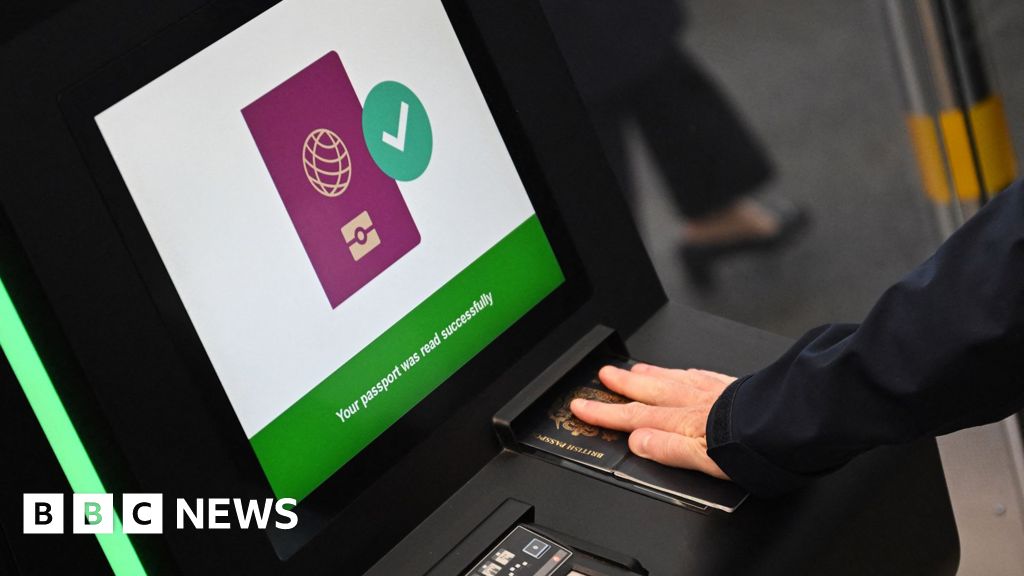
The European Union’s long-awaited Entry/Exit System (EES) is finally set to launch, marking a dramatic shift in how travelers—particularly those from the UK—will cross borders into Europe. Slated to take effect in late 2024, the automated system will require biometric checks for all non-EU visitors, replacing manual passport stamps with facial scans and fingerprinting. The move comes as nations worldwide tighten border security amid escalating geopolitical tensions, migration pressures, and post-pandemic travel surges. For British travelers, already grappling with post-Brexit restrictions, this signals yet another layer of complexity in European travel—one that could lead to longer queues, logistical headaches, and heightened scrutiny.
How the EES Will Work
The EES is designed to digitally track non-EU visitors entering and exiting the Schengen Zone, which includes 29 European countries (most EU states plus Iceland, Norway, Switzerland, and Liechtenstein). Key features include:
- Biometric registration: First-time visitors must provide fingerprints and facial scans.
- Automated border checks: E-gates will verify identities, reducing reliance on manual passport checks.
- Stricter overstay monitoring: The system logs entry and exit times, flagging visa violations.
While the EU touts EES as a way to enhance security and curb illegal immigration, critics warn of potential chaos at major transit hubs like Paris’ Gare du Nord, Calais, and Amsterdam’s Schiphol Airport, where millions of Britons pass through annually.
Why This Matters Globally
The EES rollout reflects a broader trend of digital border enforcement as governments seek greater control over migration flows. Similar systems are already in place in the U.S. (ESTA), Australia (SmartGate), and Japan (J-BIS). However, the EU’s version is among the most ambitious, covering over 400 million people in the Schengen Zone.
For the UK, the stakes are high. Since Brexit, British travelers have faced increasing friction when entering Europe—from passport validity rules to customs delays. The EES could compound these challenges, particularly for frequent business travelers, second-home owners, and holidaymakers.
Beyond logistics, the system raises privacy concerns. Civil liberties groups question how biometric data will be stored and shared, especially amid fears of cyberattacks or misuse by authoritarian regimes.
Potential Bottlenecks and Economic Impact
Experts warn that without proper infrastructure upgrades, the EES could trigger massive delays at ports and airports. The Eurostar has already cautioned that processing times in London St Pancras could double, while ferry operators fear gridlock in Dover.
The economic fallout could be significant:
- Tourism slowdown: Longer wait times may deter short-stay visitors.
- Supply chain disruptions: Truckers and freight operators face additional checks.
- Diplomatic friction: If delays persist, the UK may push for exemptions, straining post-Brexit relations.
A Global Shift Toward Digital Borders
The EES is part of a wider global security overhaul. Countries are increasingly adopting AI-driven surveillance, e-visas, and interoperable databases to track travelers. The U.S. has expanded biometric screening, while China uses facial recognition at borders. Even within Europe, the ETIAS visa waiver (set for mid-2025) will further tighten controls.
This trend underscores a post-pandemic reality: nations are prioritizing security over seamless travel, reshaping how people move across borders in an era of rising nationalism and distrust.
What Comes Next?
With the EES launch imminent, travelers and businesses must prepare:
- Expect longer processing times at peak travel periods.
- Check passport validity (must have at least 3 months left).
- Monitor updates on exemptions (e.g., possible fast-track lanes for frequent travelers).
For the EU, the success of EES hinges on smooth implementation—any major disruptions could fuel anti-EU sentiment in the UK and beyond.
A New Age of Travel—More Secure, Less Free?
The EU’s Entry/Exit System is more than just a bureaucratic change—it’s a symbol of a world hardening its borders. While it promises greater security and efficiency, it also risks alienating travelers and deepening divides in an already fragmented global landscape. As biometric checks become the norm, the balance between safety and convenience will define the future of international travel. One thing is certain: the days of breezing through European borders with just a passport stamp are over.
