



Japanese Crude Tankers Navigate Persian Gulf Amid Tensions Despite US-Iran Ceasefire
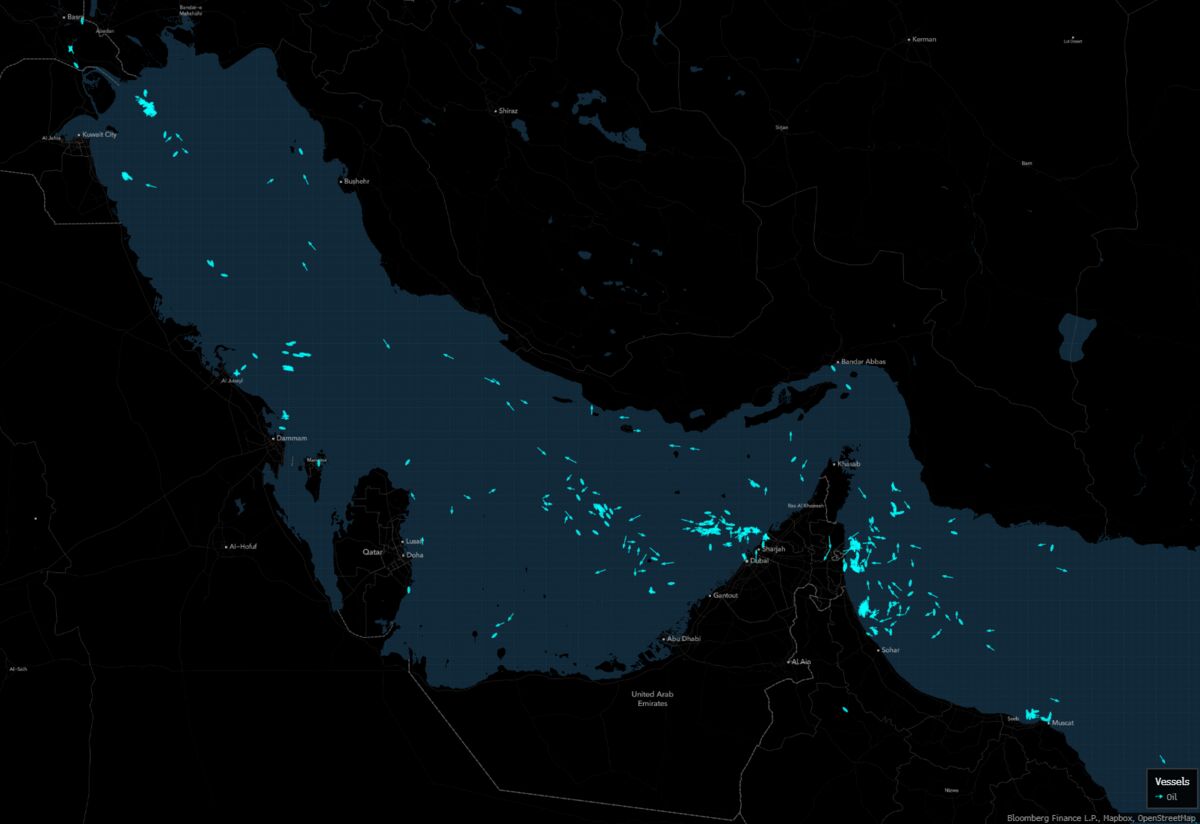
As the sun sets over the Persian Gulf, two Japanese crude tankers glide eastward toward the Strait of Hormuz, their presence a stark reminder of the fragile geopolitical equilibrium that continues to define one of the world’s most critical maritime chokepoints. Despite a ceasefire agreement between the United States and Iran that has temporarily eased hostilities, the region remains a hotspot of activity and unease. The tankers join a growing fleet of vessels clustered near the Strait, their journeys closely monitored as global energy markets watch for signs of disruption.
The Strait of Hormuz, a narrow artery linking the Persian Gulf to the Arabian Sea, is a lifeline for international oil trade, accounting for roughly 30% of the world’s seaborne crude shipments. Any disruption here sends shockwaves through global economies, making it a focal point for geopolitical maneuvering. The recent ceasefire between Washington and Tehran has provided a reprieve from escalating tensions, but the situation remains precarious. President Donald Trump’s persistent criticism of Iran, coupled with ongoing restrictions on maritime traffic, underscores the fragility of the détente.
A Delicate Balance in the Persian Gulf
The two Japanese tankers, owned by undisclosed shipping companies, are part of a broader trend of increased vessel activity in the region. According to maritime tracking data, the number of ships awaiting passage through the Strait has risen steadily in recent weeks, a reflection of both economic necessity and geopolitical uncertainty. Their presence highlights the challenges faced by global shipping operators navigating a region fraught with risks, from political instability to the threat of piracy.
The ceasefire, brokered by international mediators last month, followed months of heightened tensions between the US and Iran. Earlier this year, a series of incidents—including attacks on commercial vessels and the downing of a US drone—had raised fears of a full-blown conflict. The truce has allowed for a temporary de-escalation, but it remains fragile. Analysts note that the ceasefire lacks a formal framework, relying instead on mutual restraint and diplomatic engagement.
President Trump’s recent comments have added to the uncertainty. During a campaign rally last week, he accused Iran of “playing games” and warned of “serious consequences” if Tehran violated the terms of the ceasefire. His rhetoric has drawn criticism from allies and adversaries alike, with some questioning the administration’s commitment to a peaceful resolution.
Japan’s Role in Global Energy Security
Japan, one of the world’s largest importers of crude oil, has a vested interest in the stability of the Strait of Hormuz. The country relies heavily on Middle Eastern oil, with nearly 90% of its crude imports passing through the Persian Gulf. The movement of Japanese tankers in the region underscores Tokyo’s efforts to secure its energy supply chain while navigating the complexities of global diplomacy.
Japan has traditionally maintained a cautious approach to the US-Iran standoff, balancing its alliance with Washington and its economic ties to Tehran. Earlier this year, Tokyo dispatched a naval destroyer to the Gulf of Oman to protect Japanese vessels, a move seen as a pragmatic response to the escalating tensions. The deployment marked Japan’s first independent military mission in the Middle East since World War II, reflecting its growing concern over the region’s instability.
Maritime Traffic Under Scrutiny
The Strait of Hormuz remains a bottleneck for global shipping, with an average of 17 million barrels of crude oil passing through its waters every day. Despite the ceasefire, traffic has been limited, with shipping companies exercising caution amid ongoing uncertainties. The International Maritime Organization (IMO) has issued warnings to vessels operating in the region, urging them to maintain heightened security measures.
The situation has also prompted calls for international cooperation to ensure the safe passage of commercial ships. Earlier this month, the European Union proposed a joint naval task force to patrol the region, but the initiative has yet to gain traction. Meanwhile, regional players like Oman and Qatar have sought to mediate between the US and Iran, emphasizing the importance of dialogue in reducing tensions.
Implications for Global Energy Markets
The movement of Japanese tankers through the Persian Gulf comes at a critical juncture for global energy markets. Oil prices have remained volatile in recent months, reflecting concerns over supply disruptions and geopolitical risks. The US-Iran ceasefire has provided some stability, but analysts warn that the situation remains fluid.
Any escalation in the region could have far-reaching consequences, driving up oil prices and exacerbating inflationary pressures in economies already grappling with the fallout of the COVID-19 pandemic. For Japan, which imports nearly all of its crude oil, prolonged instability in the Strait of Hormuz could pose a significant challenge to its energy security.
A Fragile Peace Amid Rising Tensions
As the two Japanese tankers inch closer to the Strait of Hormuz, their journey serves as a microcosm of the broader challenges facing the region. The US-Iran ceasefire has provided a temporary respite, but the underlying tensions remain unresolved. President Trump’s rhetoric underscores the fragility of the détente, while the growing number of vessels in the area highlights the region’s enduring importance to global trade.
For Japan and other nations reliant on Middle Eastern oil, the stability of the Strait of Hormuz is not just a geopolitical issue but an economic imperative. The situation underscores the need for sustained diplomatic efforts to address the root causes of the conflict and ensure the safe passage of commercial ships.
As the world watches developments in the Persian Gulf, the journey of these tankers serves as a reminder of the delicate balance between peace and conflict in a region that holds the key to global energy security. Whether the ceasefire holds or unravels, one thing is certain: the Strait of Hormuz will remain a focal point of international attention for the foreseeable future.
