


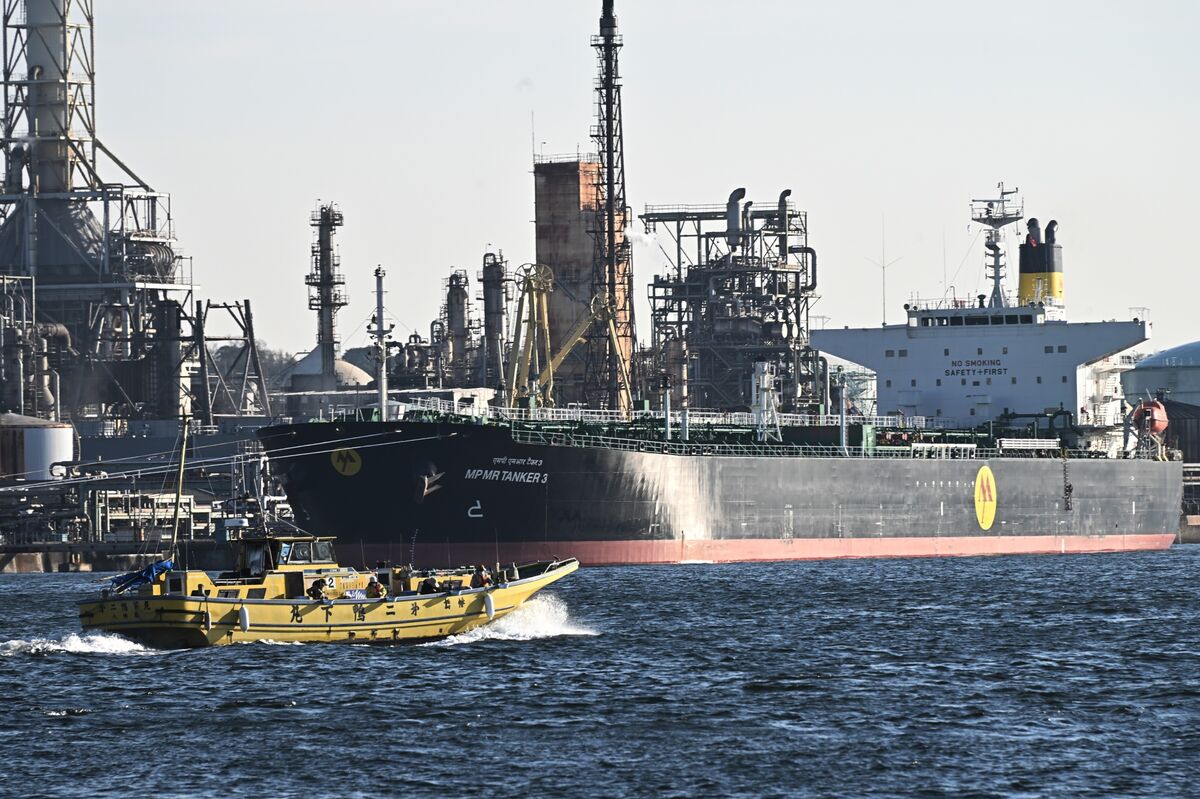

Global Oil Market in Turmoil as Traders Scramble for Immediate Supplies Amid Fragile Ceasefire in Iran
October 2023 – While much of the world’s attention this week has been fixated on the precarious ceasefire in Iran, another escalating crisis is quietly unfolding in the global oil market. Traders, refiners, and governments are engaged in a frantic race to secure immediately available crude oil supplies, as geopolitical tensions, supply disruptions, and soaring demand converge to create one of the most volatile energy landscapes in recent years.
The urgency stems from a perfect storm of factors: dwindling inventories, production cuts by OPEC+ nations, and unexpected outages in key oil-producing regions. This has sent prices spiraling upward, with Brent crude recently breaching the $95-per-barrel mark, its highest level since November 2022. The scramble for cargoes has intensified fears of a broader supply crunch, threatening to exacerbate inflationary pressures and destabilize economies already grappling with the lingering effects of the COVID-19 pandemic and the ongoing energy transition.
Iran Ceasefire and Its Ripple Effects
The fragile ceasefire in Iran, brokered after weeks of escalating tensions in the Middle East, has added another layer of complexity to the situation. While the temporary truce has eased fears of an immediate escalation in regional conflicts, it has done little to alleviate concerns about the long-term stability of oil supplies. Iran, a major oil producer, remains under stringent international sanctions, limiting its ability to export crude. Even a partial easing of these sanctions—a possibility raised by the ceasefire talks—would take months to translate into meaningful increases in global supply.
Meanwhile, the ceasefire has heightened uncertainty among traders, who are concerned that any breakdown in negotiations could reignite tensions and disrupt oil flows from the Persian Gulf, a critical artery for global energy markets. This uncertainty has driven a surge in spot-market purchases, as buyers seek to lock in supplies before potential price spikes or shortages.
OPEC+ Cuts and Production Challenges
Compounding the crisis are the ongoing production cuts by OPEC+ nations, which have collectively reduced output by millions of barrels per day since late 2022 in a bid to prop up prices. Saudi Arabia and Russia, the group’s de facto leaders, recently extended their voluntary cuts through the end of 2023, further tightening the market. While these measures have been effective in boosting prices, they have also left global inventories dangerously low, leaving little buffer to absorb unexpected shocks.
Beyond OPEC+, other oil-producing regions are grappling with their own challenges. In Libya, political instability has led to sporadic shutdowns of export terminals, while Nigeria faces persistent issues with pipeline sabotage and underinvestment in infrastructure. In the United States, the world’s largest oil producer, output growth has slowed as drillers prioritize shareholder returns over expanding production capacity.
Rising Demand and Seasonal Pressures
On the demand side, the picture is equally fraught. Global oil consumption has rebounded strongly in 2023, driven by robust economic growth in Asia and a resurgence in air travel following the pandemic. China, the world’s largest crude importer, has been a particularly significant driver of demand, as its economy continues to recover from years of strict COVID-19 lockdowns.
Adding to the pressure is the seasonal uptick in demand for heating oil and diesel as the Northern Hemisphere approaches winter. Refiners are racing to stockpile these products, further straining the availability of crude oil. The result is a market that is increasingly tight, with forward prices indicating that traders expect the situation to worsen before it improves.
The Human Cost of Volatility
The repercussions of this scramble for oil are being felt far beyond the trading floors of London and New York. Rising energy prices are fueling inflation worldwide, putting additional strain on households and businesses already grappling with higher costs for food, housing, and other essentials. In developing countries, where energy accounts for a larger share of household budgets, the impact is particularly acute.
Governments are also feeling the pressure, as higher oil prices translate into increased import bills and fiscal deficits. Many are resorting to subsidies or price controls to shield consumers from the worst effects, but these measures often come at the cost of long-term economic stability.
The Road Ahead
For now, the immediate focus is on securing spot cargoes to ease the supply crunch. Traders are scouring the globe for available barrels, from unsold West African crude to surplus stocks in the U.S. Strategic Petroleum Reserve. Refiners are also adjusting their operations, prioritizing the production of high-demand products like diesel and jet fuel over gasoline.
But these stopgap measures can only go so far. Longer-term solutions will require a coordinated response from both producers and consumers. On the production side, OPEC+ will face mounting pressure to ease its cuts and increase output, particularly if prices continue to rise. On the demand side, efforts to accelerate the transition to renewable energy and improve energy efficiency will be crucial in reducing reliance on fossil fuels.
For market participants, the coming months will be a delicate balancing act. While the fragile ceasefire in Iran offers a glimmer of hope, the broader geopolitical and economic landscape remains fraught with uncertainty. As one trader put it, “The market is walking on a tightrope. One misstep, and we could be looking at a full-blown crisis.”
In the end, the global oil market’s fate hinges on a complex interplay of factors—geopolitics, economics, and the unpredictable forces of supply and demand. What is clear, however, is that the stakes are higher than ever, and the world will be watching closely as events unfold.
