



Fuel Crisis Grips Ireland as Protests and Blockades Enter Fifth Day
Dramatic Standoff Sparks Nationwide Fuel Shortages
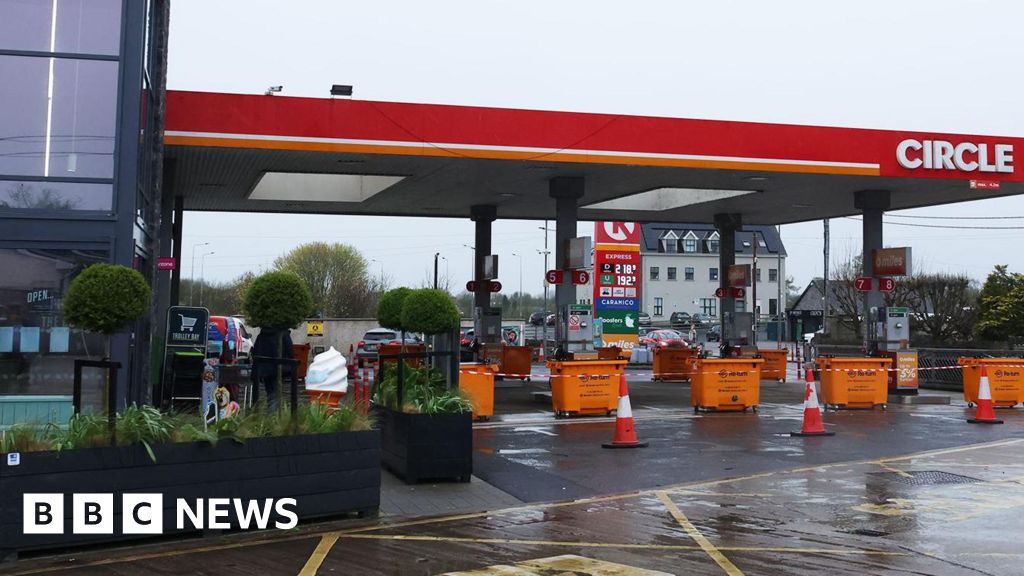
Hundreds of petrol stations across the Republic of Ireland have run dry, crippling transportation and sparking fears of economic disruption as anti-government protests and blockades enter their fifth consecutive day. What began as localized demonstrations has escalated into a full-blown fuel crisis, with long queues forming at remaining operational stations and emergency services warning of potential shortages. The unrest, driven by anger over rising living costs and energy policies, has drawn comparisons to similar movements in Europe, raising concerns about broader regional instability.
How the Crisis Unfolded
The protests erupted last week after the government announced new energy taxes and subsidy cuts, triggering immediate backlash from truckers, farmers, and activist groups. Key fuel depots and major highways were blockaded, halting fuel distribution. By midweek, reports emerged of panic buying, exacerbating shortages.
Ireland relies heavily on road transport for goods and services, meaning the fuel crisis has far-reaching consequences. Supermarkets report delays in fresh food deliveries, hospitals are rationing fuel for emergency vehicles, and businesses warn of impending shutdowns if the situation persists.
Global Context: Echoes of Wider Unrest
Ireland’s crisis mirrors recent fuel-related protests in other parts of the world. In 2022, similar blockades by truckers in Canada paralyzed Ottawa, while Europe saw widespread demonstrations against energy price hikes. Analysts warn that Ireland’s turmoil could inspire copycat movements in neighboring countries, particularly as inflation and energy costs remain high.
The timing is especially precarious. With winter approaching, energy demands will rise, and prolonged instability could strain Ireland’s already tense relations with fuel suppliers. The EU has so far remained silent, but if the crisis deepens, pressure for intervention may grow.
Why This Matters Beyond Ireland
-
Supply Chain Vulnerabilities – Ireland’s fuel shortages highlight the fragility of global supply chains, particularly in nations dependent on just-in-time deliveries. A prolonged crisis could disrupt exports of pharmaceuticals and tech components, sectors where Ireland plays a key role.
-
Political Domino Effect – If protests succeed in forcing policy reversals, other governments facing similar unrest may brace for backlash. France and Germany have already seen sporadic demonstrations over energy costs, and Ireland’s situation could embolden protesters elsewhere.
-
Economic Ripple Effects – Tourism, agriculture, and manufacturing are already feeling the pinch. Foreign investors, wary of instability, may reconsider commitments in Ireland, potentially slowing economic recovery post-pandemic.
Government Response: A Balancing Act
Authorities have condemned the blockades as illegal but remain hesitant to use force, fearing escalation. Instead, they’ve called for negotiations while deploying extra police to maintain order. Meanwhile, opposition leaders accuse the government of mismanagement, further polarizing the political landscape.
Energy Minister Eamon Ryan acknowledged the crisis but insisted the new policies were necessary for long-term sustainability. “We cannot let short-term disruptions derail essential climate measures,” he said, a stance that has only fueled protesters’ frustrations.
What Happens Next?
With no immediate resolution in sight, the Irish public faces mounting anxiety. If fuel supplies aren’t restored within days, essential services could face severe strain. The government’s next moves—whether concessions or crackdowns—will determine if the crisis spirals into a full-blown national emergency.
Internationally, policymakers are watching closely. Should Ireland’s unrest spread, it could signal a new wave of anti-austerity protests across Europe, testing governments already grappling with inflation, war-related energy shocks, and climate policy pressures.
A Nation on Edge
Ireland’s fuel crisis is no longer just a local issue—it’s a stark reminder of how quickly economic discontent can escalate into widespread disruption. As the standoff continues, the stakes grow higher not just for Ireland, but for a world already struggling with energy insecurity and social unrest. The coming days will reveal whether dialogue can prevail, or if deeper chaos lies ahead.
